
 English
 Español
 Deutsch
 русский
Choosing a cast aluminum grade is a decision that starts with the application, not the alloy number. A grade that performs well in one part can create porosity, cracks, or poor surface finish in another. For die casters, the practical rule is simple: match the alloy to the process, the wall thickness, and the functional load.
What Actually Determines the Right Cast Aluminum Grade?
Silicon, copper, magnesium, and iron are the main elements that change how an aluminum alloy fills a mold and behaves after solidification. Silicon improves fluidity, which makes it easier to cast thin and complex shapes. Copper adds strength and machinability but lowers corrosion resistance. Magnesium increases strength after heat treatment but raises the risk of hot cracking. Iron helps control die soldering, though high iron levels reduce ductility.
In practice, this means you cannot pick a grade from a generic chart without knowing whether the part will be high-pressure die cast, gravity cast, or machined from a billet. High-pressure die casting demands alloys with good fluidity and low shrinking, while gravity casting allows you to use stronger heat-treatable alloys like A356.
Common Cast Aluminum Grades at a Glance
Each grade exists for a reason. The table below summarizes the grades that appear most often in supplier specifications and in real casting orders.
| Grade | Main Alloying Elements | Key Characteristics | Typical Applications |
|---|---|---|---|
| A356 | Al, 7% Si, 0.3% Mg | Heat-treatable; high strength and ductility after T6 | Automotive structural parts, wheels, aerospace fittings |
| A380 | Al, 8.5% Si, 3.5% Cu | Excellent fluidity; good machinability; moderate strength | HPDC housings, brackets, electronics, engine components |
| A360 | Al, 9.5% Si, 0.5% Mg | Better corrosion resistance and ductility than A380 | Thin-walled die castings, aerospace, marine parts |
| 319 | Al, 6% Si, 3.5% Cu | Good elevated-temperature strength | Engine blocks, cylinder heads, gravity castings |
| 535 | Al, 7% Mg | High strength and corrosion resistance; difficult to cast | Marine hardware, structural castings |
How the Casting Process Shapes Grade Selection
High-pressure die casting (HPDC) uses a permanent steel mold and injects molten aluminum at high speed. The rapid cooling and high pressure are ideal for grades like A380 and A360, which flow well and resist hot tearing. This is why most aluminum housings for automotive and communication equipment are produced in the 380 or 360 family.
Wall thickness matters just as much. A part with an average wall of 2.5 mm needs an alloy that fills the cavity before freezing, and A360 is often a better choice than A356 in that scenario. On the other hand, a thicker structural component that will be heat-treated calls for A356 or 319. Tooling design also matters, because casting defects are often traced back to gating and cooling. Working with a foundry that has in-house mold manufacturing can shorten the trial-and-error loop.
Choosing a Grade for Your Application
Different industries push different requirements. Here is how grade selection typically plays out across the sectors we serve.
Automotive
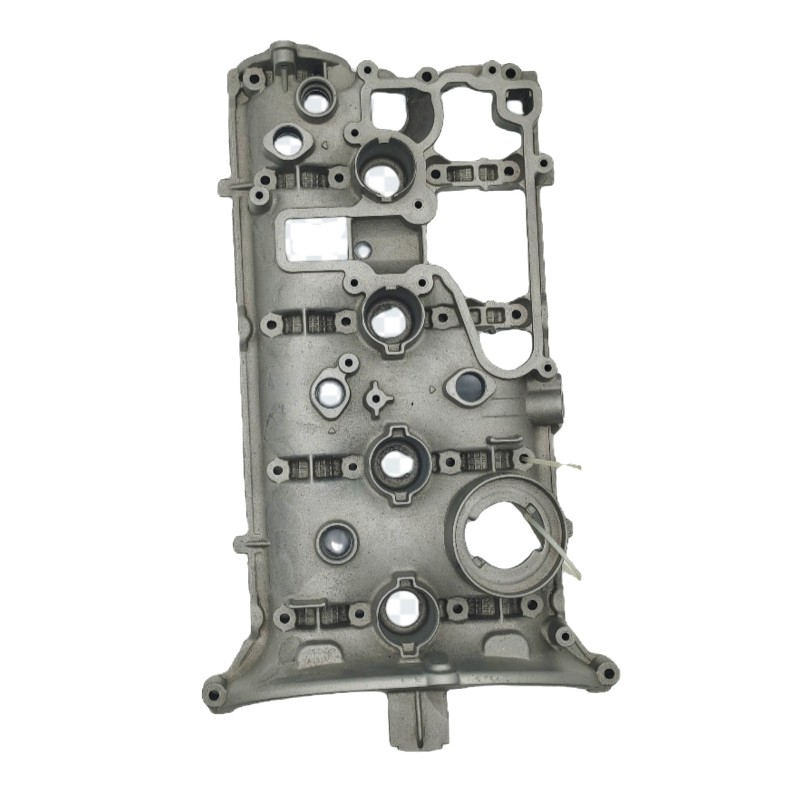
In conventional engine and transmission components, complex cavities and thin walls favor A380 in high-pressure die casting. Engine oil pans, for example, benefit from A380's fluidity and machinability. For suspension brackets or crash-relevant parts that require high elongation, A356 with T6 heat treatment is the usual solution.
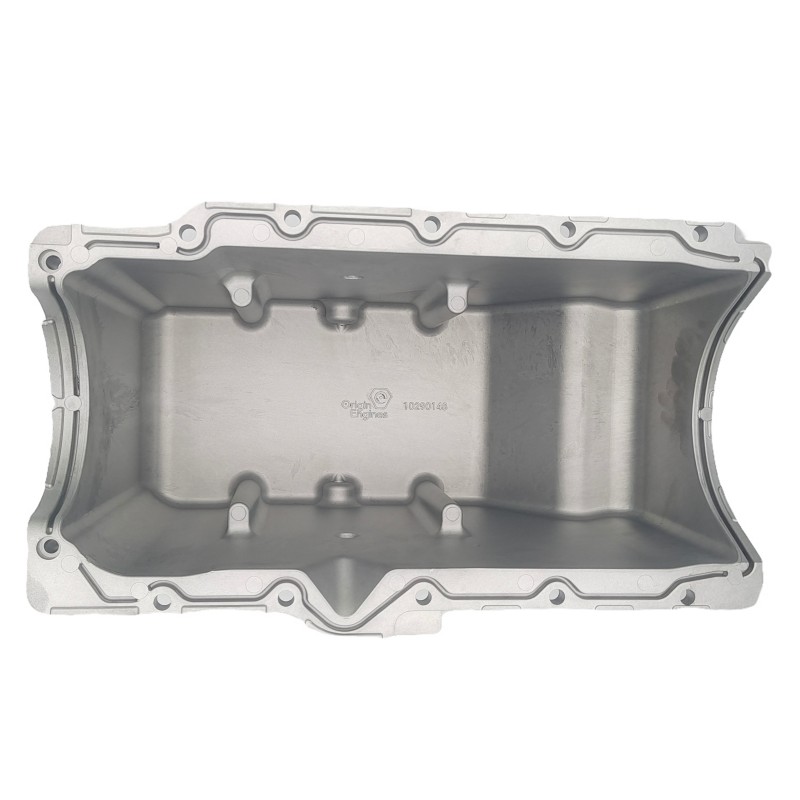 Aluminum alloy oil pan for automotive enginesThis die-cast oil pan is lightweight and corrosion-resistant, with efficient heat dissipation for engine oil. It suits various engine systems and seals the crankcase while preventing contaminants.View Product →
New Energy Vehicles
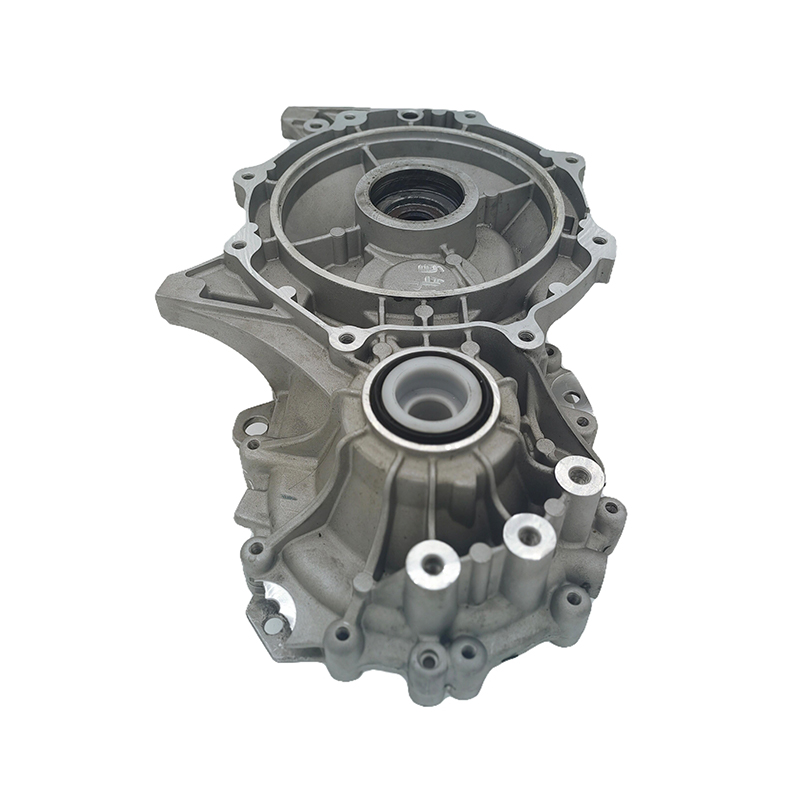
Electric control and electric drive housings need tight tolerances, good heat dissipation, and high dimensional stability. A380 and A360 are commonly used, often followed by CNC machining to achieve the finished geometry. The ability to machine after casting is one of the reasons these parts are specified with precision features.
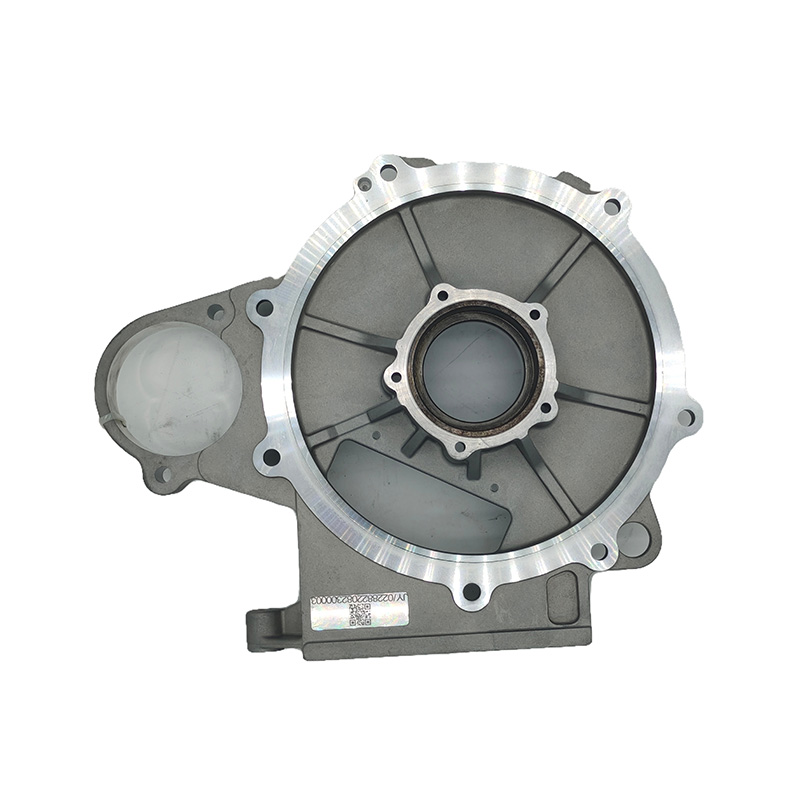 Aluminum alloy electric drive system die castingThis high-pressure die-cast component is used in NEV motors and control modules. It offers lightweight strength, high heat dissipation, and dimensional accuracy for efficient electric drive performance.View Product →
Communication
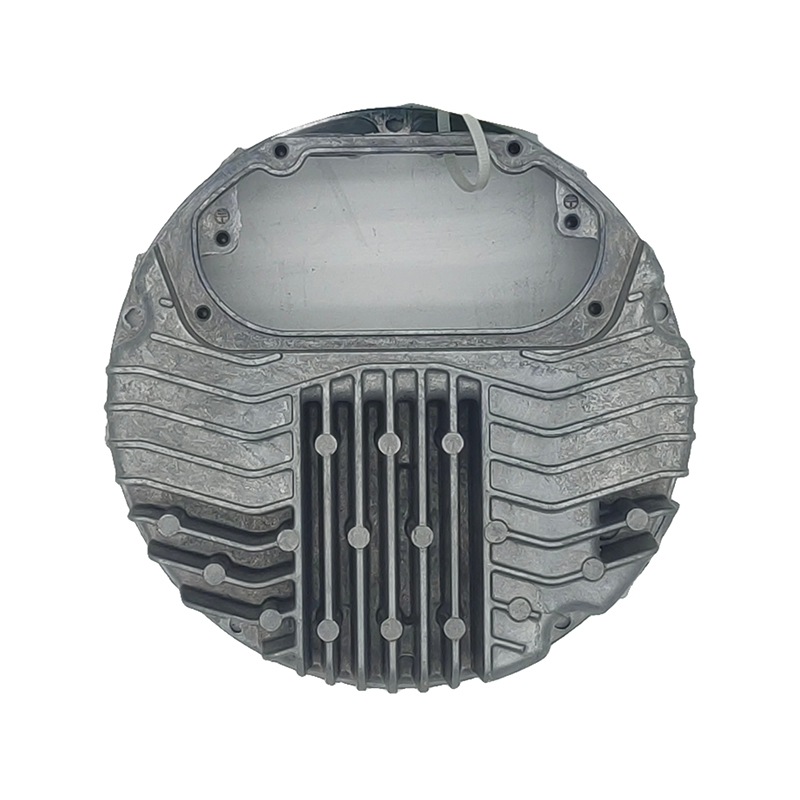
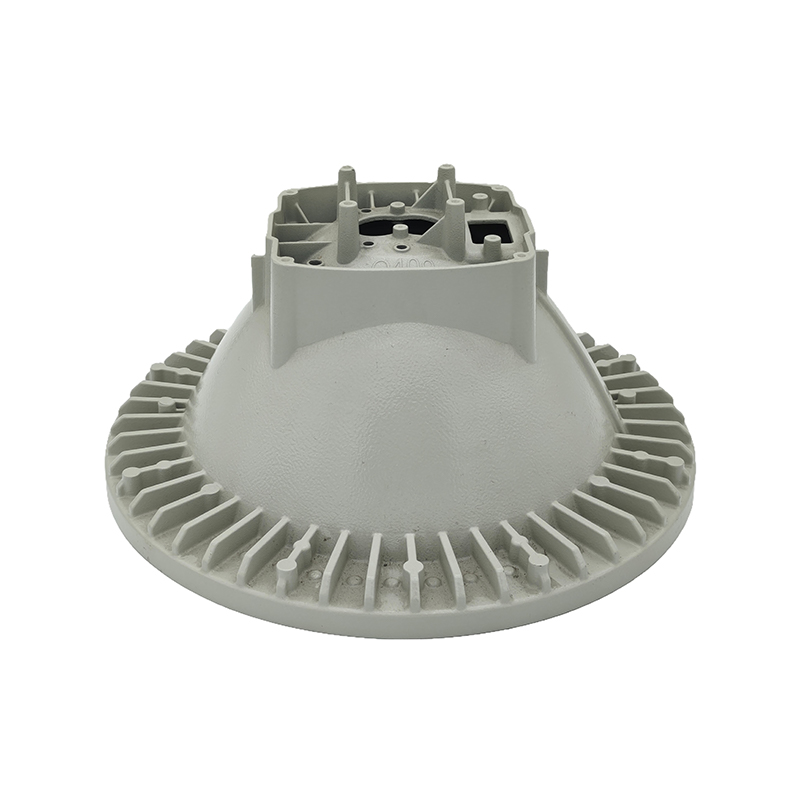
Base station housings and radar housings are exposed to outdoor conditions and constant temperature cycling. Corrosion resistance and thermal conductivity become key. A360 or A356 are preferred, and surface treatments like powder coating further protect the part. For radar housings, the alloy also needs to support a smooth, machined surface that meets RF requirements.
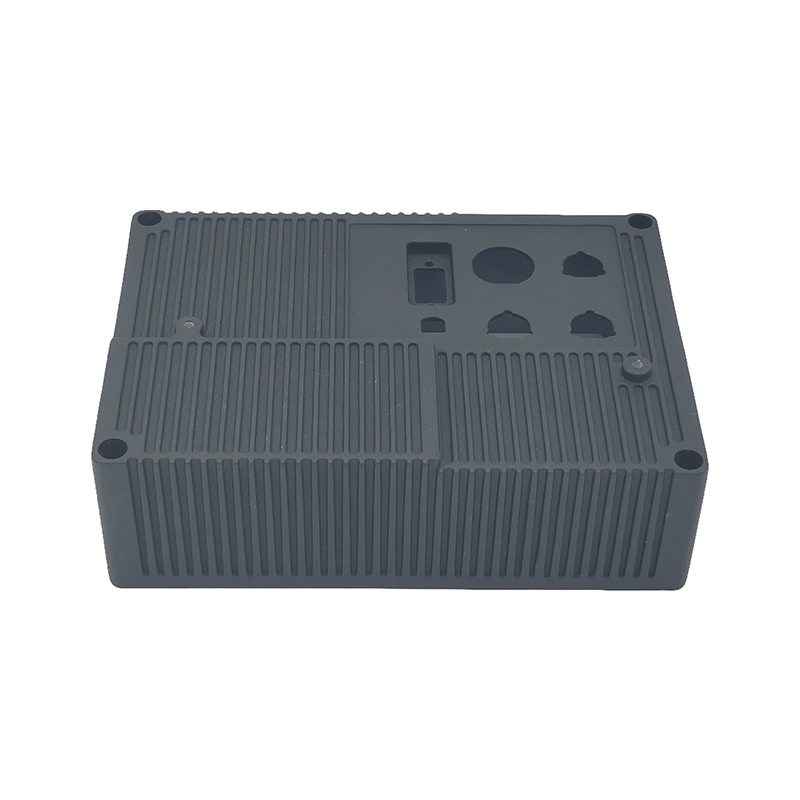 Aluminum alloy radar housing die castingThis high-pressure die-cast housing protects radar systems with high strength and thermal conductivity. It withstands outdoor conditions and supports surface treatments for corrosion resistance and precision.View Product →
Practical Procurement and Quality Considerations
Once you have narrowed the grade, the next step is to review it against your own manufacturing scenario. Ask your supplier about casting defects, heat treatment capability, and available post-processing. A foundry that can design the mold and machine the casting under one roof gives you cleaner accountability for dimensions and surface quality.
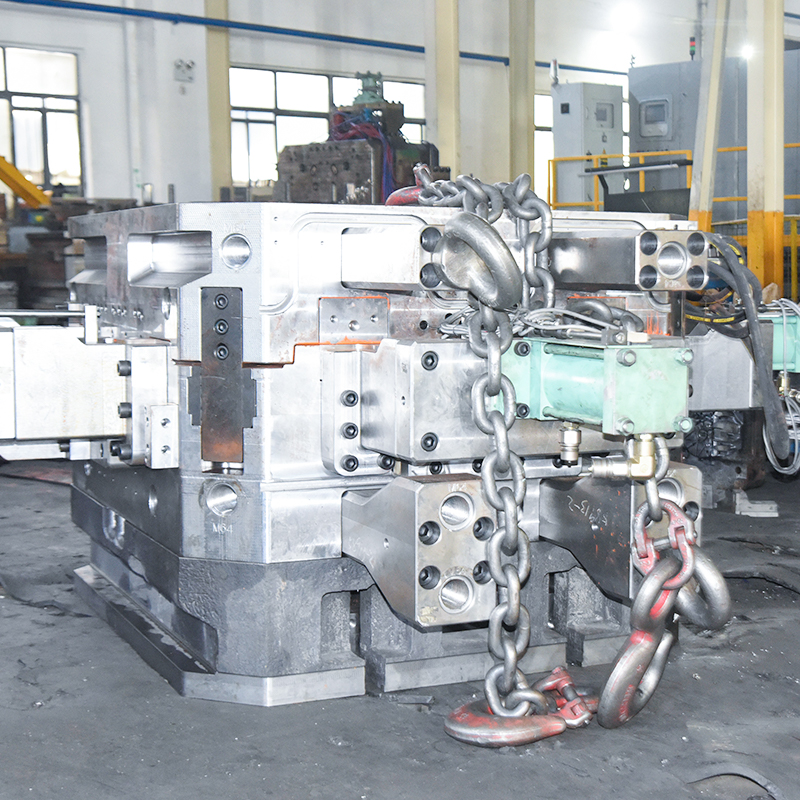
Recent developments in high-pressure die casting mold design have made it easier to control filling and solidification, which reduces scrap on complex parts. Mold design progress is worth paying attention to if you are introducing a new part with demanding requirements.
Documenting the grade and temper is also essential. The alloy specification influences everything from the fixture you use during machining to the inspection method you choose.
No single cast aluminum grade wins in every situation. A380 is fast and cost-effective for large-volume housings, A356 gives you strength after heat treatment, and A360 steps in when a part is thin and needs corrosion resistance. What matters is that the grade is selected after considering the process, the geometry, and the service load. When you have these three defined, the right alloy becomes an engineering decision, not a guess.




 1 Building No.1 No.226. Tiantaishan Road, Daqi street. Beilun District, Ningbo City, Zhejiang Province, China
 +86-15967858563
