
 English
 Español
 Deutsch
 русский
When you order aluminum die castings, the first question is not about tolerances. It is about material. ASTM B85 is the standard that answers a large part of that question, because it defines the chemical composition of the aluminum alloys used in high-pressure die casting. If your parts do not conform to B85, every subsequent discussion about dimensions, surface finish, and mechanical performance is built on an unstable base.
At Ningbo Jinyao Machinery, we produce aluminum die castings for automotive, communication, and industrial customers. Our own mold manufacturing capability gives us direct control over the casting conditions that determine whether a standard like ASTM B85 is actually met.
What ASTM B85 Actually Covers
ASTM B85 and its metric equivalent B85M specify aluminum-alloy die castings of all compositions. The document lists thirteen of the most commonly die cast alloy compositions used in pressure die casting, including A360, A380, A413, A383, and A390. For each alloy, it sets limits on silicon, copper, iron, manganese, magnesium, zinc, and other elements. These composition limits are not suggestions. They define the identity of the alloy and the baseline properties a buyer can expect from it.
The standard is generally used for general-purpose applications. It may not address the mechanical properties, integrity testing, or quality requirements that a specific part needs. Those are left to the buyer to specify. That is why procurement teams should treat B85 as a starting point, not a complete specification.
Because B85 is issued jointly in inch-pound and SI units, you may see it written as ASTM B85 or ASTM B85M. The current edition is B85/B85M-25. When you place an order, state the edition you expect. Composition limits can evolve slightly between editions, and a buyer who specifies an outdated version may end up with a material that no longer matches the design intent.
The Alloy Families in B85
Each alloy in B85 has a different balance of properties. A380 is the workhorse for general-purpose parts, with good castability, machinability, and mechanical properties. A360 offers higher elongation and corrosion resistance, making it suitable for pressure-tight components. A413 provides excellent fluidity and pressure tightness, while A390 adds silicon for wear resistance in engine and pump components.
| Alloy | Key Characteristics | Typical Applications |
|---|---|---|
| A380 | High castability, good machinability, balanced strength | General-purpose automotive and industrial castings |
| A360 | Higher elongation, better corrosion resistance | Pressure-tight components, marine and outdoor parts |
| A413 | Excellent fluidity, fine castability | Thin-walled and intricate castings, gas-tight housings |
| A390 | High silicon, good wear resistance | Engine parts, pump components, sliding surfaces |
Buying Die Castings: Where B85 Helps and Where It Does Not
ASTM B85 tells you what is in the metal. It does not tell you how strong the casting is. It does not define hardness, elongation, yield strength, or pressure tightness. It also does not set dimensional tolerances for the finished part. In practice, this means a supplier can deliver castings that are fully within B85 chemistry limits but perform differently from batch to batch because of variations in cooling rate, shot pressure, machine settings, or mold design.
The absence of required mechanical properties in the standard is a common source of disputes. Two suppliers can both quote A380, but one delivers castings with a yield strength on the low side while the other consistently meets the design number. The difference is rarely the chemistry label. It is the process itself: melt temperature, die temperature, shot speed, and intensification pressure all affect how the part solidifies and what properties it reaches.
To protect your design, you need to attach mechanical property requirements, acceptable defect levels, and inspection methods to the purchase order. The more critical the part, the more specific these supplementary requirements must be. For a motor housing, for instance, the supplier must control casting temperature and CNC machining offsets to keep wall thickness consistent. A simple chemistry certificate is not enough.
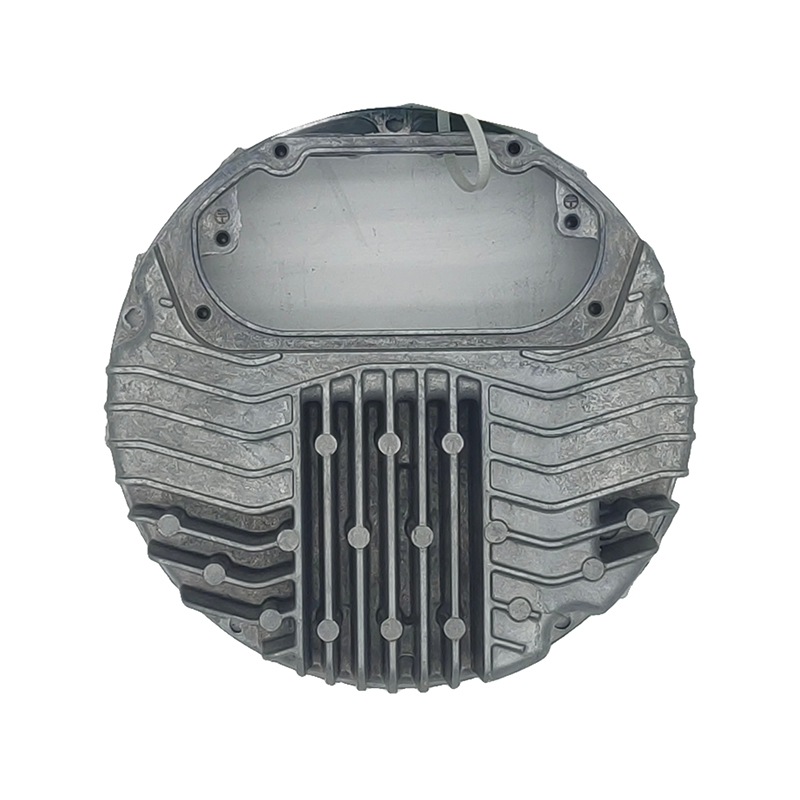
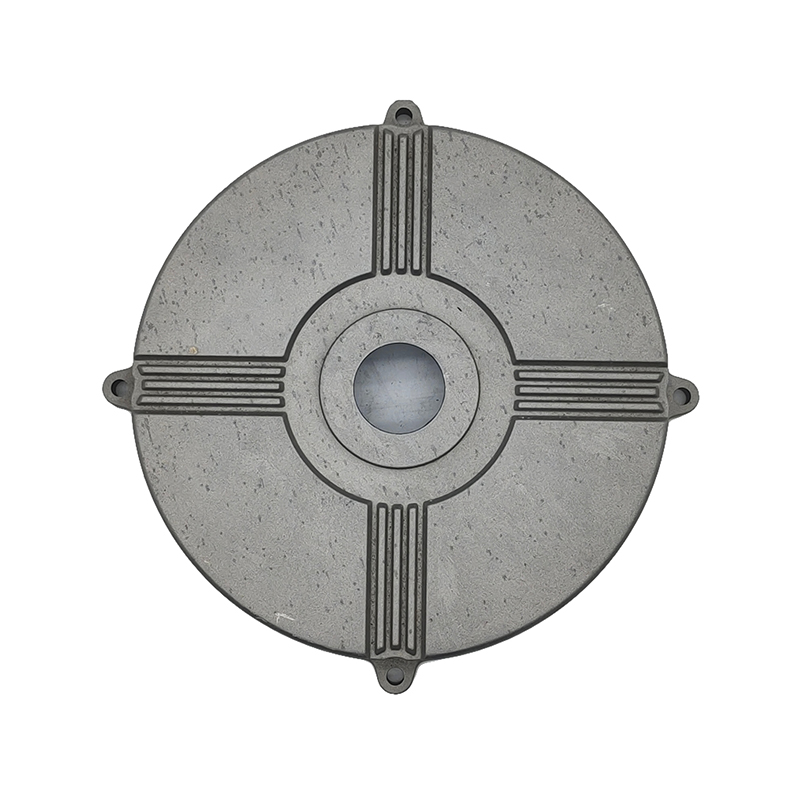 Aluminum Alloy Die-Cast Motor Housing with CNC MachiningThis motor housing offers lightweight strength and efficient heat dissipation. Its high-pressure die-casting and precision CNC machining ensure dimensional accuracy, helping meet specific mechanical property and inspection requirements for critical parts.View Product →
For fluid-containing parts such as oil pans, the risk is different. Pressure retention and sealing behavior depend on porosity and internal quality, which B85 does not cover. A supplier who can tune its casting process for these characteristics brings real value to the project.
How to Put ASTM B85 into Your Purchase Specification
Start with the alloy designation. If your design calls for A380, write that on the order. Next, ask for a chemical composition report from the melt or from the castings themselves. Many reputable foundries provide a mill certificate or an in-house spectrometer report for every lot. Then add the mechanical requirements that are not in B85. For example, specify a minimum ultimate tensile strength, a yield strength, and an elongation value measured on a test bar from the same batch. If the part has to hold fluid or gas, add a leak test criterion with a specified pressure and acceptable leakage rate.
Also define the inspection standard for surface and internal defects. Die castings can show cold shuts, porosity, and shrinkage that are not material problems in the ASTM sense but are service problems for the part. B85 alone will not catch them.
A useful practice is to reference the ASTM value with the application-specific test method. For example, you can state that the part must meet a minimum ultimate tensile strength when tested according to ASTM B557 or ISO 6892, depending on your preferred units. This removes ambiguity about what “mechanical property” actually means.
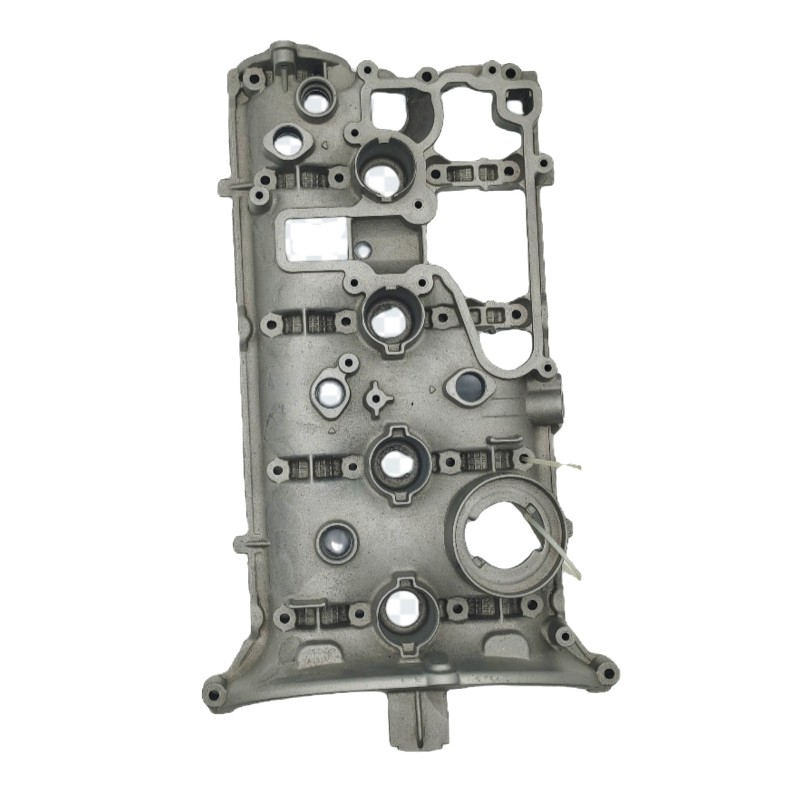
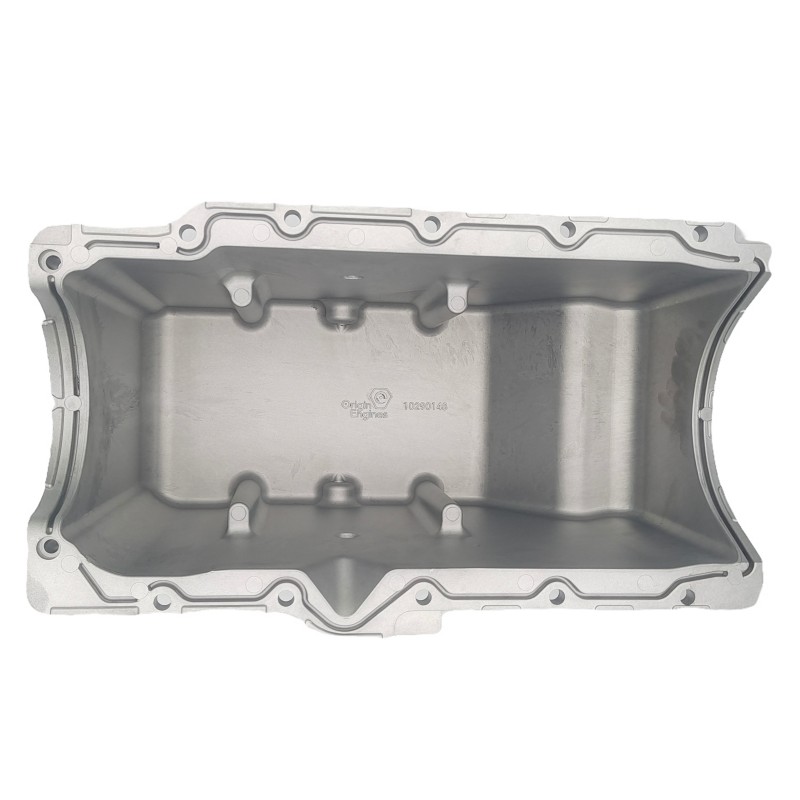 Aluminum Alloy Die-Cast Oil Pan for Engine SystemsThis oil pan provides corrosion resistance and thermal conductivity for engine oil. Its die-casting process ensures structural integrity and can be tailored with in-house mold manufacturing to address sealing and porosity risks.View Product →
Choosing a Supplier Who Can Hold to B85
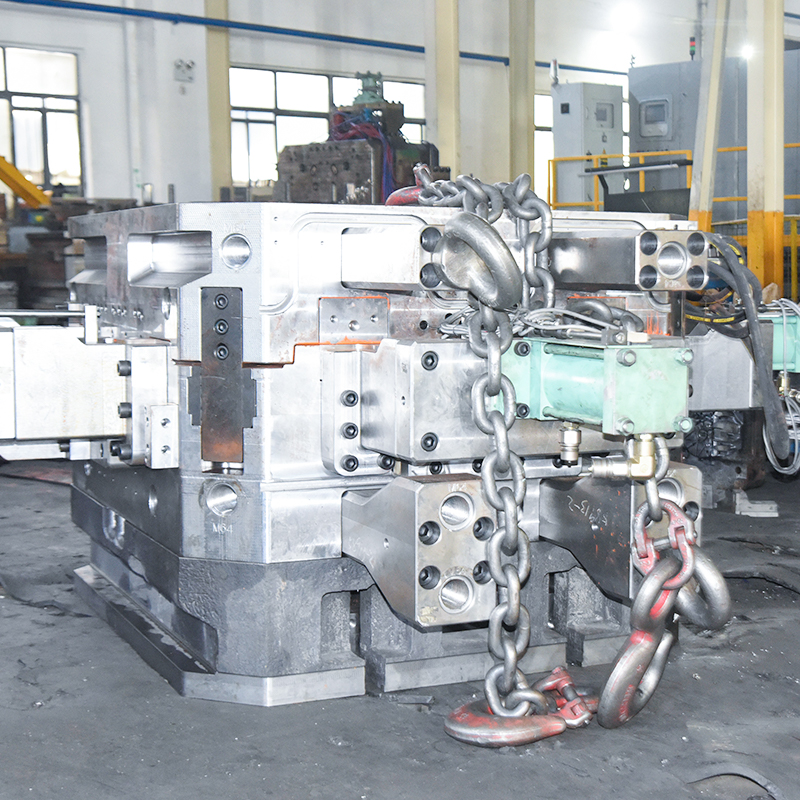
This is where the foundry's internal capability becomes decisive. Chemistry is controlled at the melting stage, but mechanical consistency comes from the mold and the process. A die caster that builds its own molds can take ownership of the entire production path, from design to casting to finishing. That is why we emphasize the combination of in-house mold manufacturing and precision CNC machining at our facility. Our experience with customized aluminum die castings in automotive applications has shown us that a single supplier for both mold and casting reduces the risk of miscommunication.
When you audit a die casting supplier, ask how they verify chemistry before and after casting. Ask how they set casting parameters for each mold. Ask what documentation they provide with each shipment. Beyond the certificate, ask about process monitoring. Do they record shot parameters for each mold? Do they have a documented corrective-action procedure when a batch drifts outside the chemistry window? A supplier with those controls will be able to explain a non-conformance with data instead of guesses.
The same logic applies to communication parts such as radar housings or base station enclosures, where dimensional stability plays a key role under outdoor temperature swings.
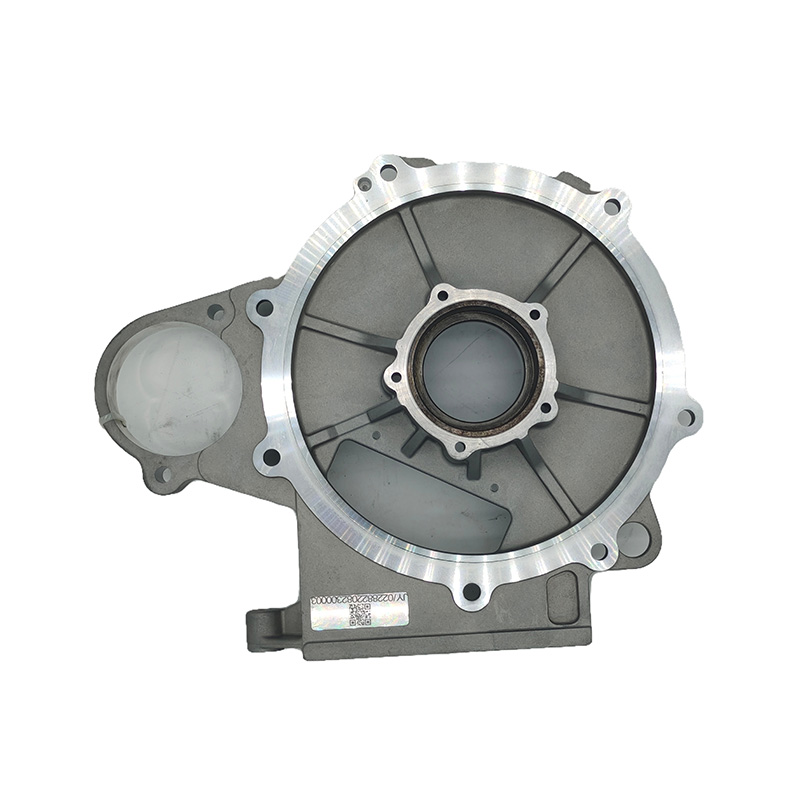
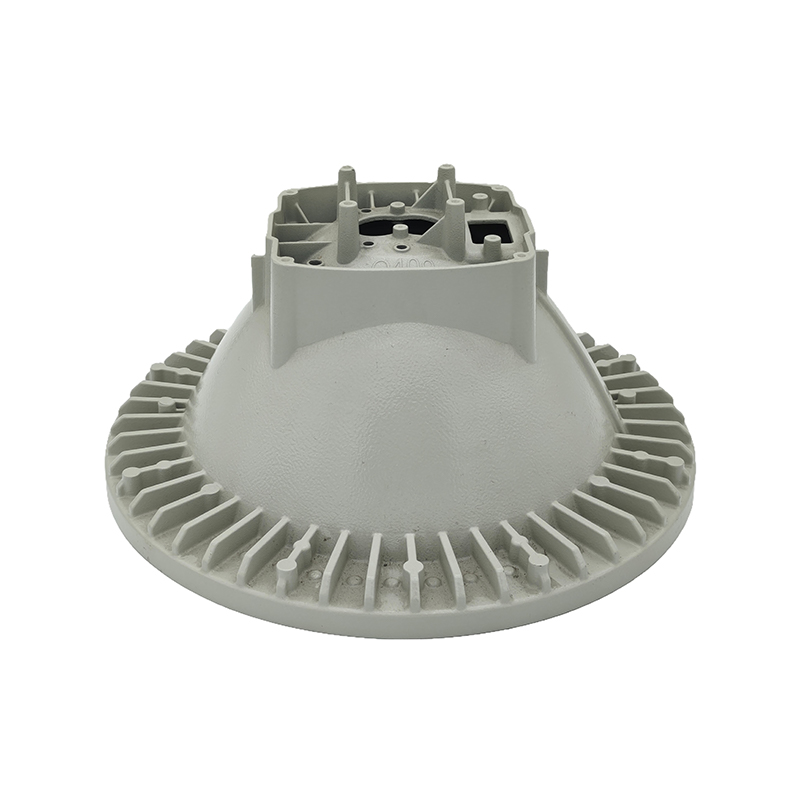
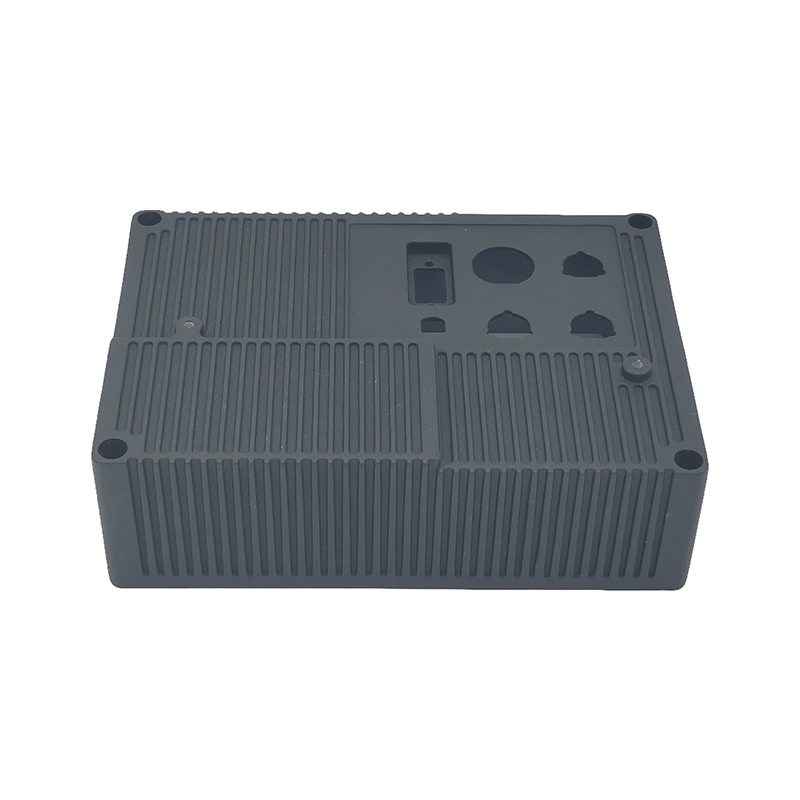 High-Pressure Die-Cast Aluminum Radar HousingThis radar housing withstands outdoor conditions with high strength and corrosion resistance. Its dimensional stability and precision casting support supplementary requirements beyond ASTM B85 for reliable performance.View Product →
ASTM B85 gives you a common language for aluminum die casting alloys. But the standard is only a starting point. Use it to set the alloy, then supplement it with mechanical, dimensional, and defect requirements that reflect the actual function of the part. Work with a supplier who understands both the standard and the limits of what it can cover, and your castings will perform the way you designed them.



 1 Building No.1 No.226. Tiantaishan Road, Daqi street. Beilun District, Ningbo City, Zhejiang Province, China
 +86-15967858563
