
 English
 Español
 Deutsch
 русский
The Direct Answer: Traditional Die Casting Still Powers Most of the Vehicle
Traditional automobile die castings remain essential because the vast majority of a vehicle's individual metal components — engine parts, transmission housings, brackets, and small structural pieces — are still far better suited to conventional die casting than to newer large-scale methods like gigacasting. A typical passenger vehicle contains dozens to well over a hundred individual die cast aluminum components, and while headline-grabbing single-piece body castings have captured industry attention, they address only a narrow slice of a vehicle's total part count. Traditional die casting continues to be the default, cost-effective method for the wide range of small and mid-sized components that make up the bulk of a car's mechanical systems.
If you're evaluating manufacturing strategy for a new vehicle program, the realistic picture is not traditional die casting being replaced, but rather large-format gigacasting supplementing it for a specific category of structural parts — while traditional die casting continues to handle everything else, from powertrain components to smaller structural brackets, more economically and with far greater tooling flexibility.
What Counts as "Traditional" Automobile Die Casting
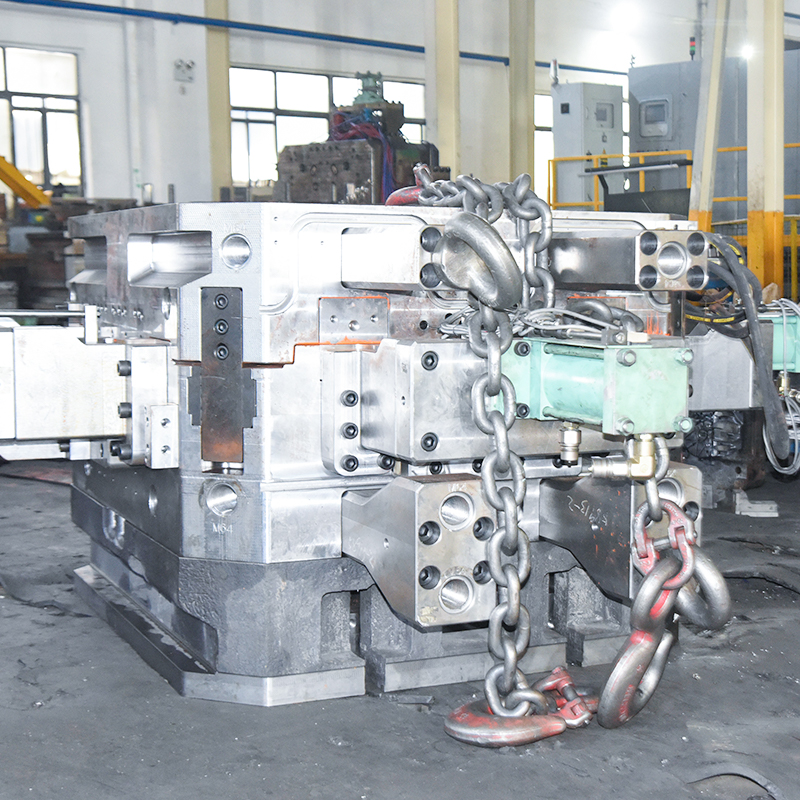
Traditional automobile die casting refers to the well-established process of injecting molten aluminum, zinc, or magnesium into steel dies under high pressure to produce individual components, typically on machines with clamping forces ranging from 400 to 4,000 tons. This distinguishes it from gigacasting, which uses massive presses exceeding 6,000 tons — some reaching over 16,000 tons — to produce single large structural sections that previously required dozens of stamped and welded parts.
Typical Traditional Die Cast Components
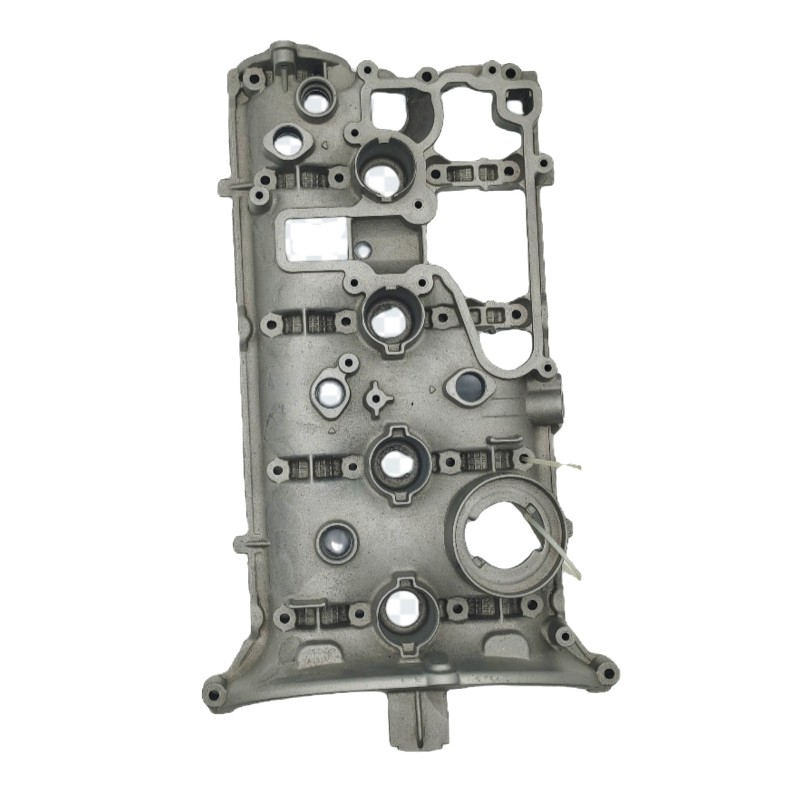
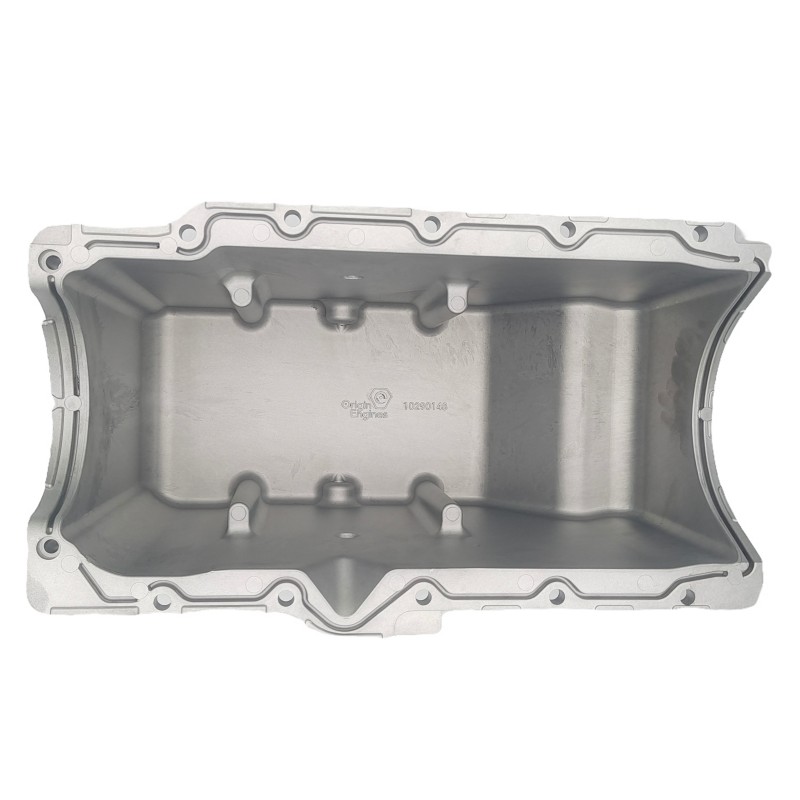
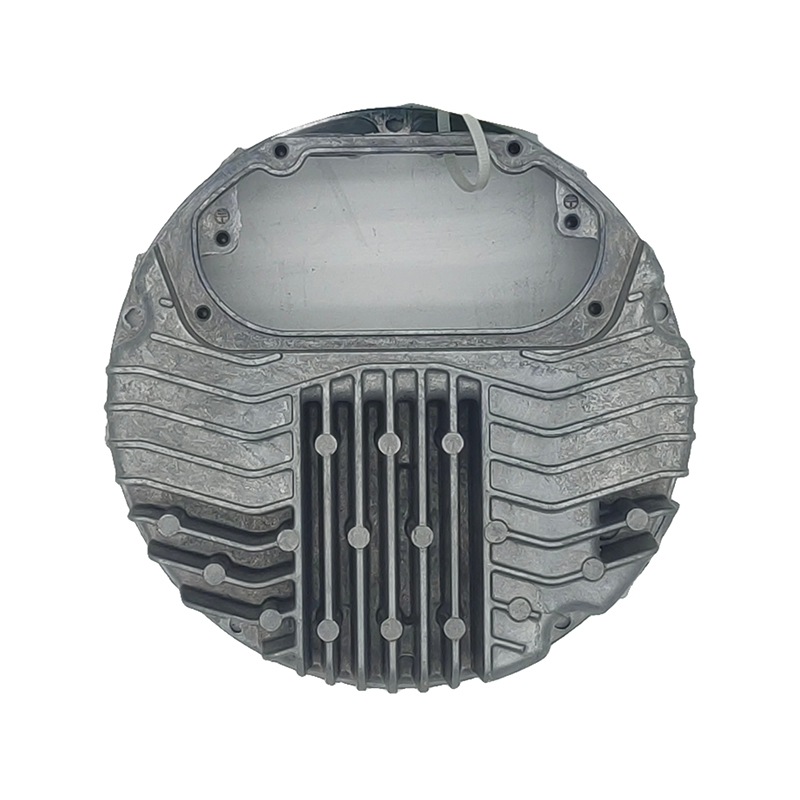
- Engine blocks, cylinder heads, and oil pans
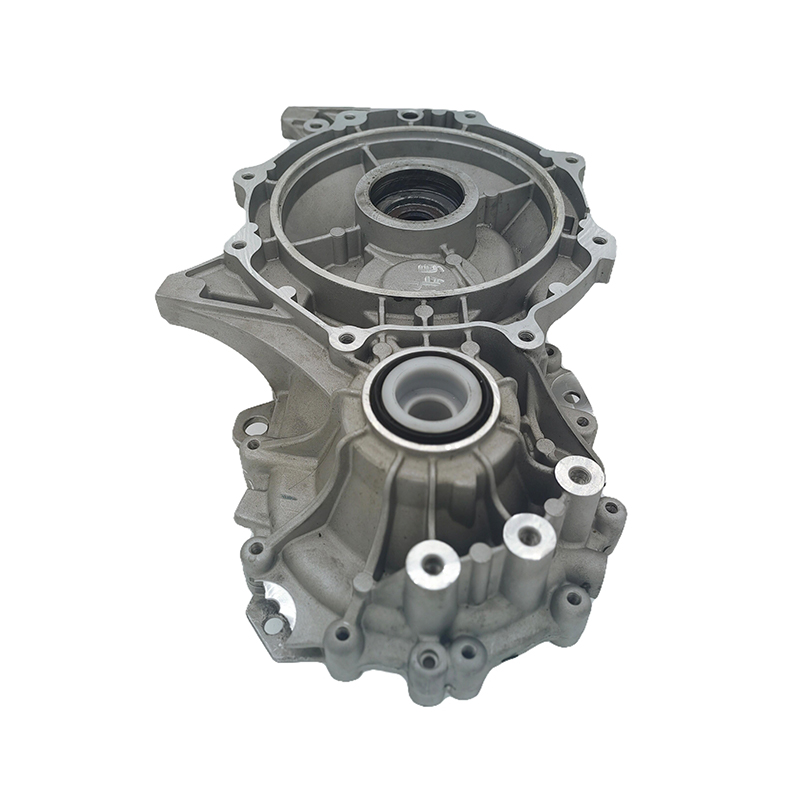
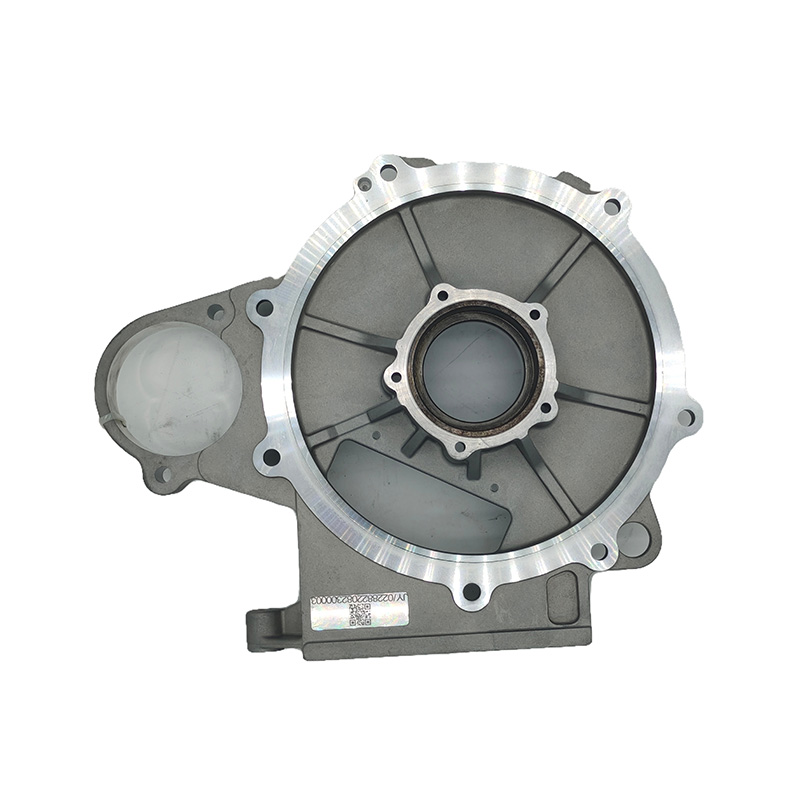
- Transmission housings and torque converter covers
- Steering and suspension brackets
- Electric motor housings and battery pack brackets
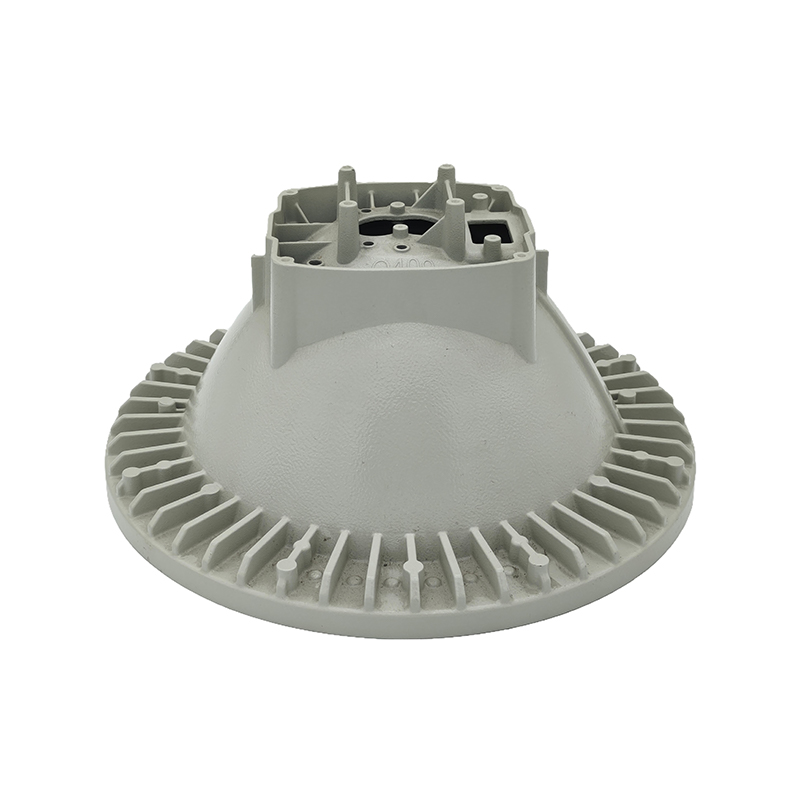
- HVAC housings, pump bodies, and small structural connectors
Why Traditional Die Casting Still Wins for Most Components
Despite the industry attention on large-format casting, several practical factors keep traditional die casting as the dominant method for the majority of automotive parts.
- Lower tooling investment: A traditional die typically costs a small fraction of a gigacasting die, making it economically viable for mid-volume parts and for automakers without the capital to invest in giant presses.
- Design flexibility across model changes: Smaller dies are faster and cheaper to modify or replace when a vehicle undergoes a mid-cycle refresh, whereas a single massive gigacasting die represents a much larger sunk cost tied to one specific vehicle platform.
- Repairability considerations: Vehicles built with many smaller die cast structural sections are generally easier and cheaper to repair after minor collisions, since damaged sections can be replaced individually rather than requiring replacement of one enormous single-piece casting.
- Proven process maturity: Decades of industry experience with traditional die casting have produced highly refined quality control, alloy formulations, and defect-prevention techniques that large-format casting is still developing.
- Suitability for complex internal geometries: Engine and transmission components often require intricate internal passages and features that remain more practical to produce at smaller scale.
Traditional Die Casting vs. Gigacasting: A Practical Comparison
Rather than viewing these as competing technologies, most automakers today treat them as complementary tools suited to different parts of the vehicle.
| Factor | Traditional Die Casting | Gigacasting |
|---|---|---|
| Typical clamping force | 400–4,000 tons | 6,000–16,000+ tons |
| Tooling cost | Lower | Very high |
| Typical parts produced | Engine, transmission, small brackets | Large body structure sections |
| Design change flexibility | High | Low |
| Collision repair impact | Lower per-incident cost | Potentially higher per-incident cost |
Even automakers that have adopted gigacasting for specific structural sections, such as front and rear underbody castings, continue to rely on traditional die casting for the large majority of the vehicle's remaining aluminum components, underscoring that the two approaches serve different purposes rather than one replacing the other.
Key Alloys Used in Traditional Automotive Die Casting
Alloy selection for automotive parts depends on the balance of strength, weight, and castability required for each specific application.
- A380/A383 aluminum alloys: The most widely used alloys for general automotive housings and brackets, valued for good strength and excellent castability.
- A356 aluminum alloy: Preferred for higher-strength structural components such as suspension parts, often heat-treated to further improve mechanical properties.
- Zinc alloys (Zamak): Used for smaller precision components such as door handles and small brackets, offering excellent dimensional accuracy and surface finish.
- Magnesium alloys: Selected for weight-critical applications such as steering wheel cores and seat frames, offering roughly one-third the weight of comparable steel parts.
Electric Vehicles Have Increased, Not Decreased, Demand
The shift toward electric vehicles has actually expanded the role of traditional die casting rather than diminishing it. EV powertrains require new categories of die cast components, including electric motor housings, inverter enclosures, and battery pack structural brackets, all of which benefit from aluminum's lightweighting properties and traditional die casting's cost-effective production at moderate volumes. As automakers pursue weight reduction to extend EV driving range, traditional aluminum die casting remains one of the most practical tools available for replacing heavier steel or cast iron components across dozens of smaller parts throughout the vehicle.
Where Traditional Die Casting Continues to Lead
Certain categories of automotive components will likely remain firmly in traditional die casting's domain for the foreseeable future, regardless of continued advances in large-format casting technology.
Powertrain Components
Engine and transmission parts require complex internal oil and coolant passages, precise machining interfaces, and proven durability under extreme thermal cycling — requirements that favor the mature process control available in traditional die casting.
Mid-Volume and Niche Vehicle Programs
Automakers producing lower-volume or specialty vehicles typically cannot justify the enormous capital investment required for gigacasting presses, making traditional die casting the only economically viable option for their production scale.
Aftermarket and Replacement Parts
The global aftermarket parts industry depends heavily on traditional die casting to produce replacement components for the enormous existing fleet of vehicles built using conventional manufacturing methods, a demand base that will persist for decades.
What This Means for Manufacturers and Suppliers
For component suppliers and manufacturers planning capital investment, the practical takeaway is that traditional die casting capacity remains a sound long-term investment rather than a technology on the decline. Automakers are pursuing a hybrid manufacturing strategy that pairs large-format structural castings with a continued and, in some cases, growing reliance on traditional die casting for the majority of a vehicle's components. Suppliers who maintain strong traditional die casting capabilities — combined with the process expertise to support both internal combustion and electric vehicle programs — are well positioned to serve a market where this technology continues to underpin the bulk of automotive aluminum component production.


 1 Building No.1 No.226. Tiantaishan Road, Daqi street. Beilun District, Ningbo City, Zhejiang Province, China
 +86-15967858563
