
 English
 Español
 Deutsch
 русский
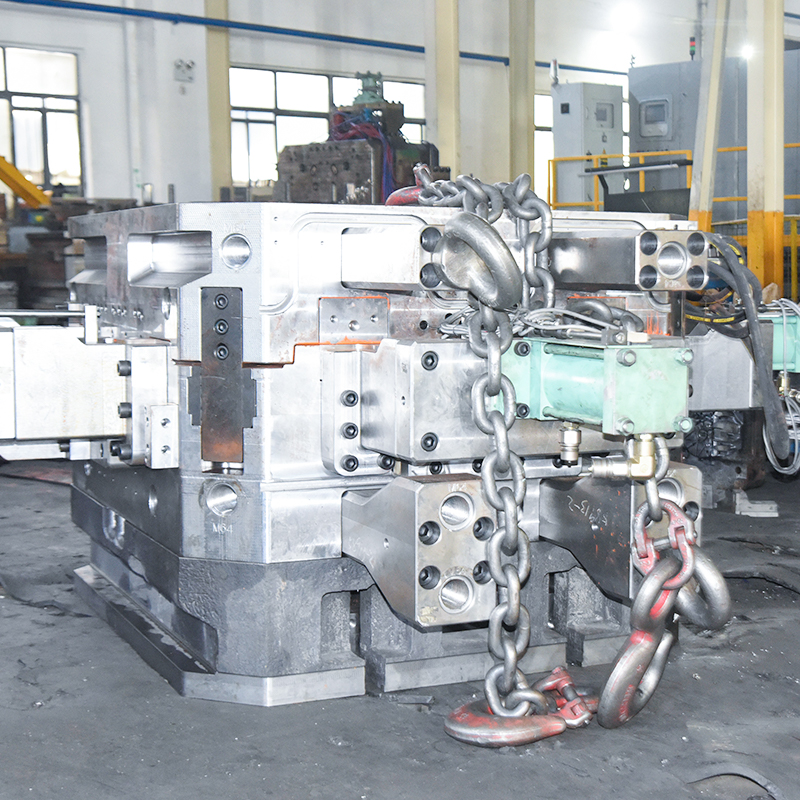
High precision die casting molds are critical in modern manufacturing for producing metal components with tight tolerances, superior surface finish, and consistent mechanical properties. These molds play a decisive role in industries like automotive, aerospace, electronics, and medical devices, where even small deviations can lead to functional failure or reduced reliability. The following sections explore the reasons why high precision molds are indispensable for quality metal components.
1. Ensuring Dimensional Accuracy
Dimensional accuracy is one of the most important reasons for using high precision die casting molds. Die cast components often need to fit precisely with other parts, sometimes requiring tolerances as tight as ±0.01 mm. Any deviation can lead to misalignment, assembly errors, or functional failures.
High precision molds are manufactured using advanced CNC machining, electrical discharge machining (EDM), and surface finishing techniques, ensuring each cavity perfectly matches the intended design. These processes allow the production of thousands of identical components with minimal variation. The precision in mold design also reduces or eliminates the need for post-machining, saving both time and cost while enhancing overall production efficiency.
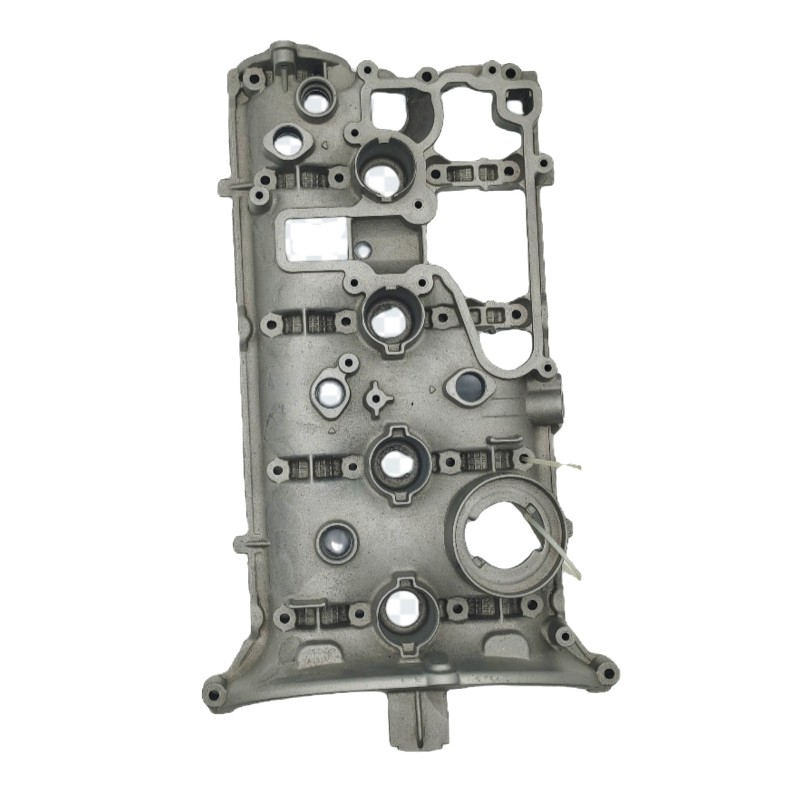
Additionally, precise molds minimize defects such as warping, uneven thickness, or incomplete filling, which can compromise the performance of the final product. For critical components like automotive engine housings or aerospace brackets, maintaining strict dimensional accuracy is essential for safety, reliability, and compliance with industry standards.
2. Improving Surface Finish and Aesthetic Quality
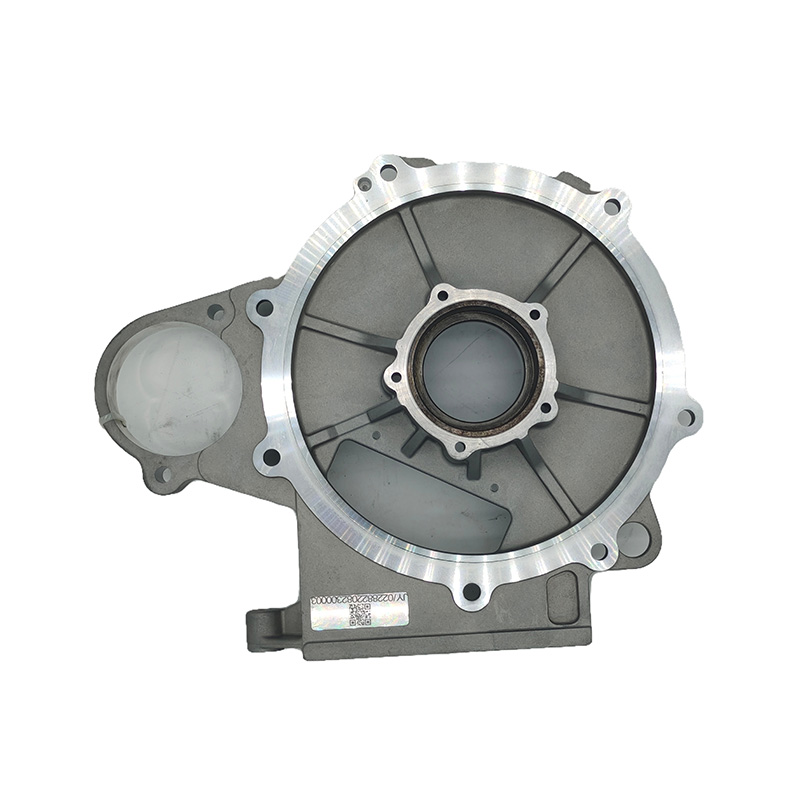
High precision molds produce die cast components with exceptional surface finish, which is vital for both functional and aesthetic applications. Components such as electronic device housings, automotive parts, and medical equipment casings often demand smooth, defect-free surfaces that require minimal post-processing.
Precision molds reduce the occurrence of surface defects such as porosity, flash, or roughness. A smooth surface not only improves appearance but also enhances mechanical performance by reducing stress concentrations and improving corrosion resistance. In industries like electronics or medical devices, where aesthetics and precision are equally important, high-quality surface finish is critical.
The smoothness achieved with precision molds reduces the need for additional finishing processes such as grinding, polishing, or coating, saving labor and production costs. High-quality molds therefore contribute directly to both the visual and functional excellence of metal components.
3. Supporting Complex Geometries
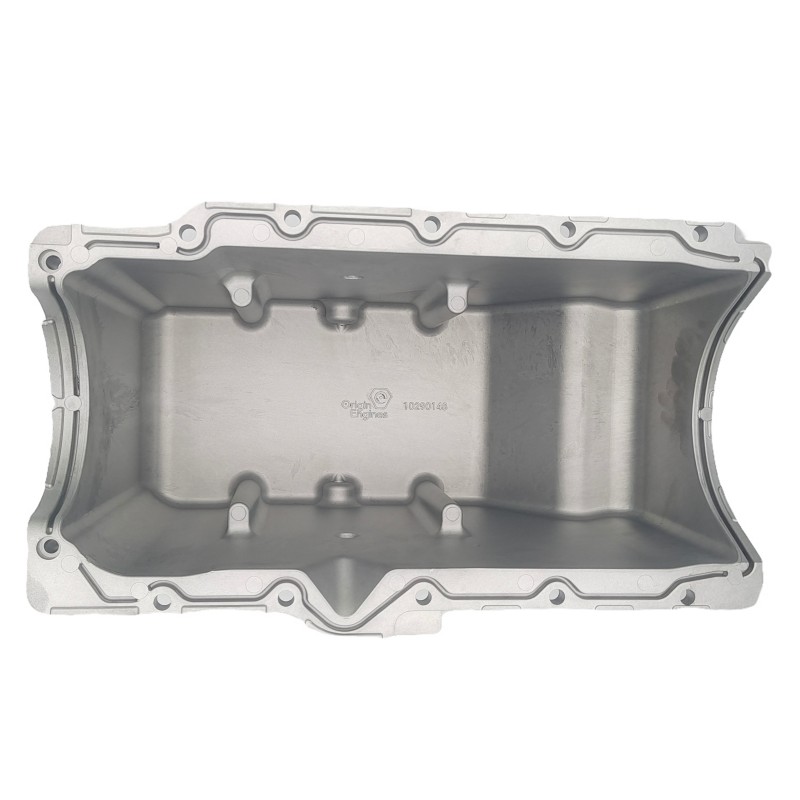
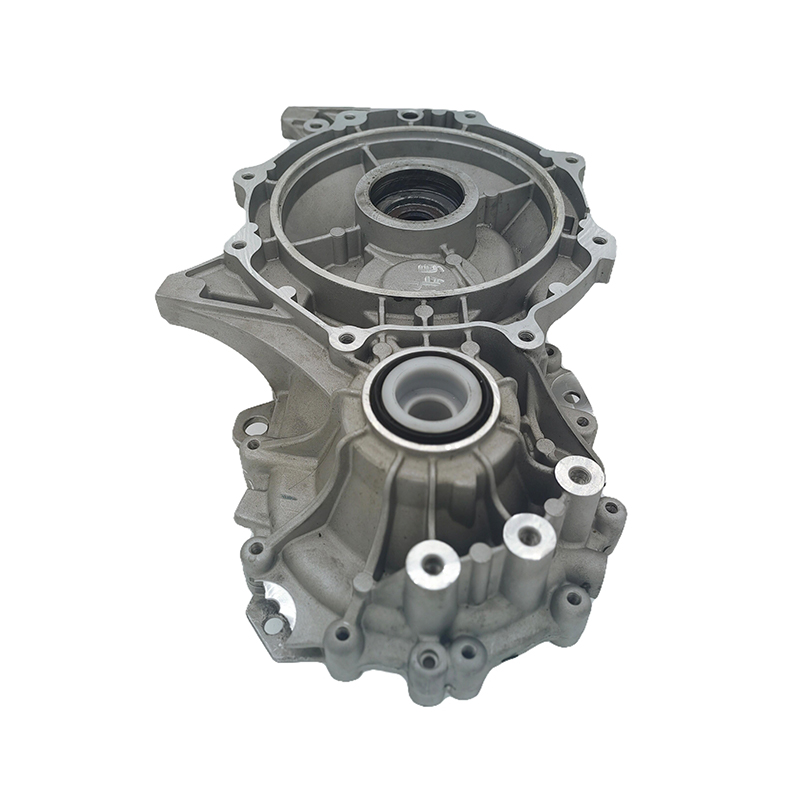
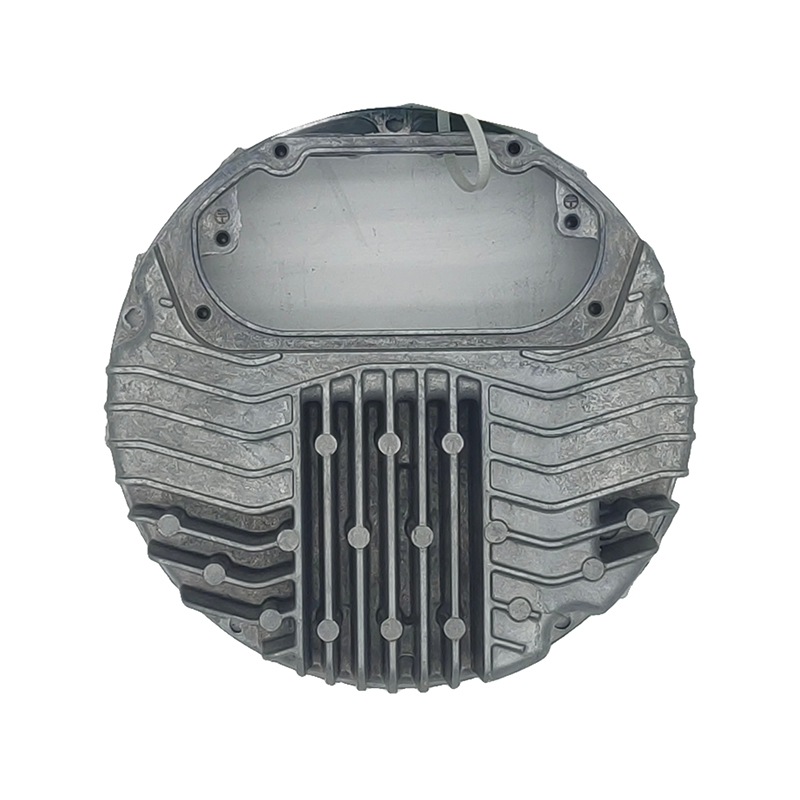
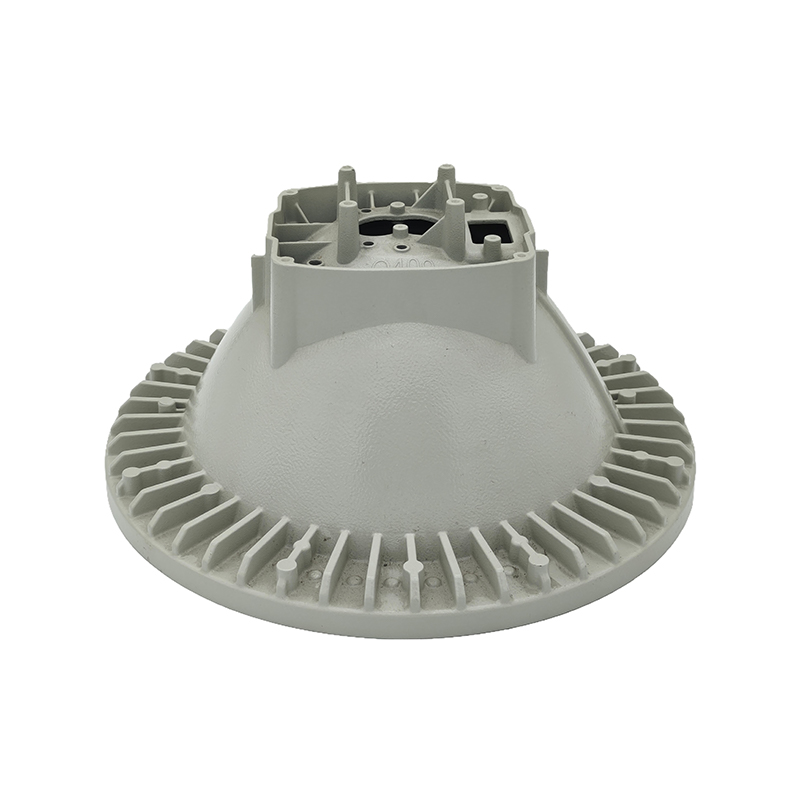
Modern metal components often incorporate complex geometries, such as thin walls, internal channels, cooling fins, and reinforcement ribs. High precision die casting molds enable these intricate shapes to be replicated consistently and accurately in a single casting process.
Precision mold design takes into account thermal expansion, metal flow dynamics, and shrinkage during solidification. This ensures that complex structures do not deform, develop porosity, or experience incomplete filling. For example, motor housings in automotive or electric scooter applications may have integrated cooling channels that must be precisely formed to ensure efficient heat dissipation.
By producing complex geometries in a single casting, high precision molds reduce the number of separate components, lower assembly complexity, and enhance structural integrity. This capability is crucial for industries requiring lightweight, high-strength, and functional components in a compact design.
4. Enhancing Production Efficiency
High precision molds significantly improve production efficiency in die casting operations. Accurate molds reduce scrap rates, rework, and downtime caused by defective parts, which is particularly important in high-volume manufacturing.
Precision molds allow for faster cycle times because they produce uniform parts with minimal defects. Integrated features such as threaded holes, mounting points, and reinforcement ribs reduce the need for secondary machining operations, saving both time and labor costs. Furthermore, molds designed for high precision maintain consistent flow and solidification, ensuring smooth part ejection and reducing mold-related delays.
The overall result is a more streamlined production process that maintains high quality while reducing cost per unit, making high precision molds a valuable investment for large-scale manufacturing.
5. Extending Mold Lifespan and Reliability
Precision in mold design and manufacturing extends the service life of the mold. High precision molds are typically made from hardened tool steels, surface-treated alloys, or coated metals, which resist wear, thermal fatigue, and mechanical stress.
Maintaining dimensional accuracy over thousands of casting cycles reduces downtime for repair or replacement. Consistent mold performance ensures that all die cast parts produced meet quality specifications, which is essential for critical applications such as aerospace, automotive, or medical devices.
Regular maintenance of high precision molds, including cleaning, lubrication, and inspection for wear, further prolongs their lifespan and ensures continued production of high-quality components. The reliability of these molds directly impacts the overall efficiency, safety, and cost-effectiveness of the manufacturing process.
Benefits of High Precision Die Casting Molds
| Feature | Benefit for Metal Components |
|---|---|
| Dimensional Accuracy | Ensures tight tolerances, reduces post-machining |
| Surface Finish | Minimizes flash, improves aesthetics and mechanical performance |
| Complex Geometry Capability | Enables intricate designs, thin walls, and integrated features |
| Production Efficiency | Reduces scrap, rework, and cycle time |
| Mold Longevity | Extends tool life, maintains consistent quality over many cycles |
| Cost-Effectiveness | Minimizes material waste and post-processing expenses |
FAQ
Q1: What materials are commonly used for high precision molds?
A1: Hardened tool steels, alloy steels, and surface-treated metals are preferred for their wear resistance and thermal stability.
Q2: How does mold precision affect part quality?
A2: Higher precision reduces dimensional deviation, warping, porosity, and surface defects, resulting in consistent and reliable components.
Q3: Can high precision molds produce complex shapes?
A3: Yes, advanced design and machining techniques allow replication of thin walls, intricate channels, and multi-cavity parts.
Q4: Are high precision molds more expensive?
A4: Initial costs are higher, but they reduce scrap, post-processing, and rework, making them cost-effective for high-volume production.
Q5: How often should high precision molds be maintained?
A5: Regular inspection and maintenance every few thousand cycles are recommended to ensure longevity and consistent part quality.
References
- Campbell, J. Complete Casting Handbook. Elsevier, 2011.
- Heine, R. W., Loper, C. R., Rosenthal, P. C. Principles of Metal Casting. McGraw-Hill, 2010.
- Totten, G. E., MacKenzie, D. S. Handbook of Aluminum: Physical Metallurgy and Processes. CRC Press, 2003.
- NADCA (North American Die Casting Association), Die Casting Mold Guidelines, 2021.


 1 Building No.1 No.226. Tiantaishan Road, Daqi street. Beilun District, Ningbo City, Zhejiang Province, China
 +86-15967858563
