
 English
 Español
 Deutsch
 русский
Electric scooters are rapidly gaining popularity due to their efficiency, portability, and eco-friendly nature. A crucial factor in the performance, durability, and cost-efficiency of electric scooters is the quality and design of their components. Die casting has emerged as a preferred manufacturing method for electric scooter components, offering advantages in weight reduction, mechanical strength, precision, and production efficiency. The following sections explore the reasons in detail.
1. Lightweight and High Strength
Weight reduction is a primary concern in electric scooters, as it directly impacts battery efficiency, acceleration, and driving range. Die castings, typically made from aluminum or magnesium alloys, provide an excellent strength-to-weight ratio. Structural components such as chassis frames, motor housings, and suspension brackets require sufficient rigidity to endure vibrations, shocks, and repeated mechanical loads, which die cast metals effectively provide.
Using die cast aluminum or magnesium ensures that scooters remain lightweight without compromising safety or structural integrity. Lightweight components also facilitate easier handling, improved portability, and better overall performance. In addition, die cast parts resist deformation and maintain shape under dynamic stress, which is crucial for components that undergo frequent load changes, such as steering assemblies or wheel hubs.
The combination of low density and high tensile strength makes die casting ideal for producing load-bearing components, allowing designers to optimize scooter performance while maintaining safety standards.
2. Precision and Dimensional Consistency
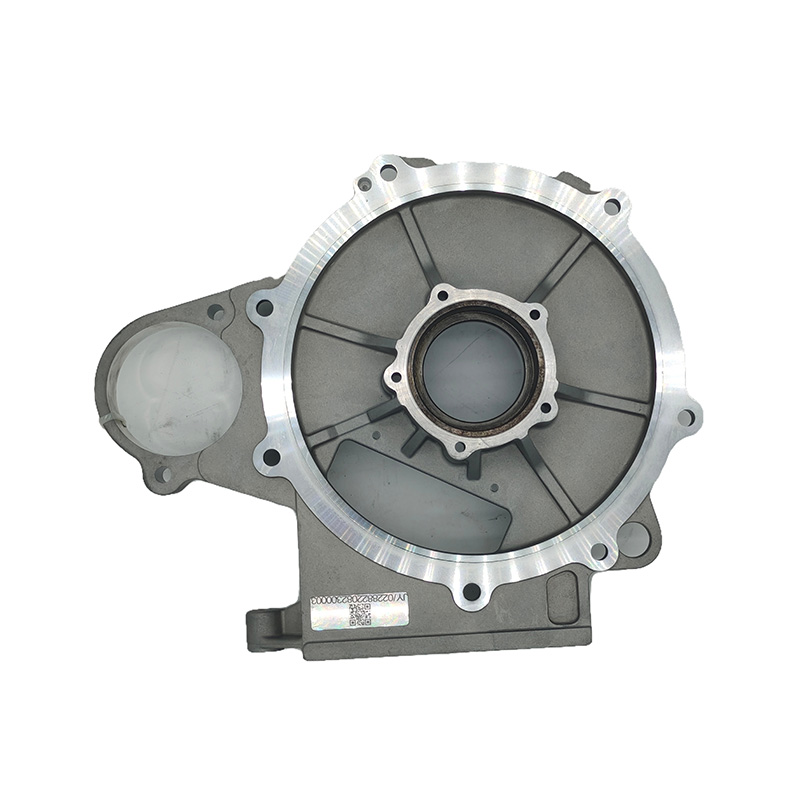
Electric scooter components often require tight tolerances and high precision, especially parts like motor housings, wheel hubs, and steering brackets. Die casting is capable of producing parts with consistent dimensions and smooth surfaces, which reduces assembly errors and ensures proper integration of complex systems.
The high repeatability of die casting enables manufacturers to produce thousands of identical components with minimal variation. This precision is critical for high-performance scooters where even slight misalignments in the drivetrain, braking system, or suspension can affect safety, ride quality, and noise levels. Additionally, reduced post-machining requirements lower production costs and shorten lead times, enhancing overall manufacturing efficiency.
Die casting also allows for integrated features such as mounting points, threaded holes, and cable channels, which further improve assembly accuracy and reduce the number of separate parts, minimizing potential failure points.
3. Complex Geometries
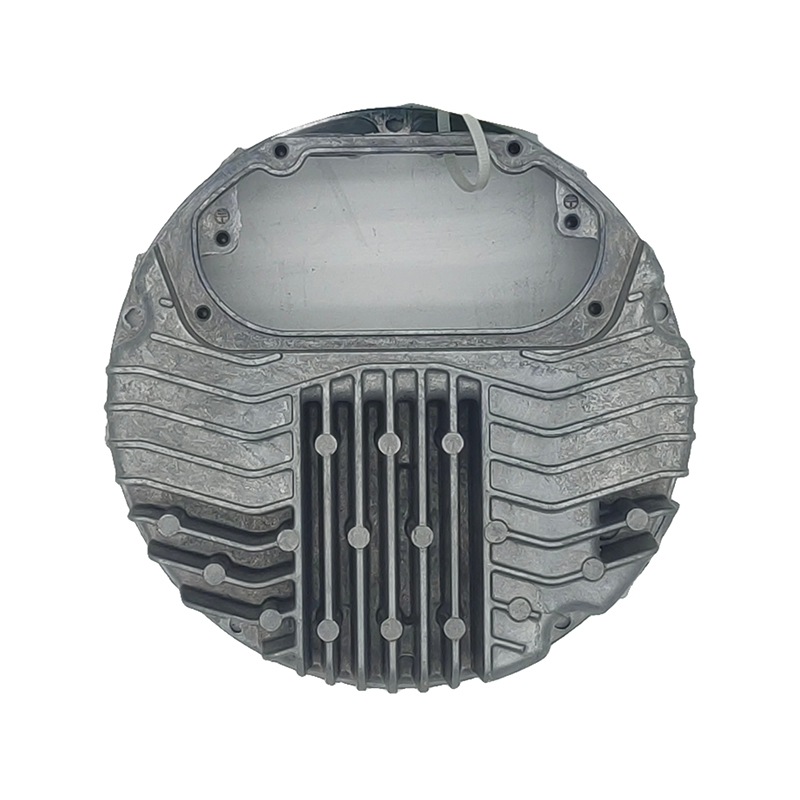
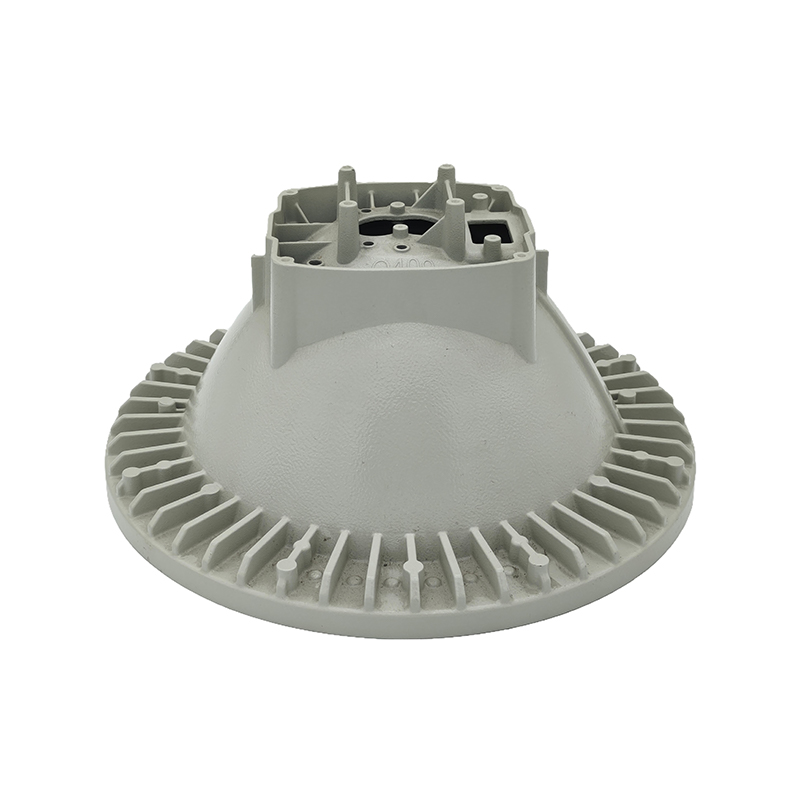
Many electric scooter components are complex in design, requiring intricate internal and external geometries. Motor housings, battery enclosures, and suspension brackets often need integrated channels, cooling fins, or reinforcement ribs. Die casting allows these complex shapes to be produced in a single piece, avoiding multiple parts or complex assemblies.
The ability to create thin-walled and lightweight components with uniform wall thickness helps reduce material usage without sacrificing strength. Additionally, die casting can produce internal cavities, draft angles, and mounting features in one process, which would be difficult or expensive with machining, forging, or stamping.
By reducing the number of individual parts, die casting minimizes assembly complexity, improves reliability, and lowers production costs, while allowing designers the freedom to optimize components for performance and weight efficiency.
4. Cost-Effectiveness in Mass Production
Die casting is highly suitable for high-volume production, aligning with the growing demand for electric scooters worldwide. Once the dies are manufactured, thousands of identical parts can be produced quickly, with minimal labor and reduced material waste.
Compared with machining or forging, die casting significantly reduces cycle time and post-processing requirements. Fewer assembly steps and integrated features contribute to overall cost savings. High-volume production with die casting allows manufacturers to maintain competitive pricing, which is essential in the increasingly crowded electric scooter market.
Furthermore, the predictability and repeatability of die casting reduce defects and scrap rates, further enhancing cost-efficiency. This is particularly important for scooters, where margins are tight and quality standards are high.
5. Corrosion Resistance and Durability
Electric scooters are frequently exposed to outdoor environments, including rain, humidity, dust, and urban pollutants. Die cast components, particularly aluminum and magnesium alloys, provide excellent corrosion resistance, ensuring long-term durability.
Additional surface treatments such as anodization, powder coating, or plating can further protect parts against oxidation and wear. Die cast metals also exhibit high fatigue resistance, enabling structural components to withstand repetitive stress and vibrations over the scooter’s operational life.
Durable die cast components reduce maintenance requirements, improve safety, and increase the overall lifespan of the scooter, making them a superior choice compared to materials like plastics or sheet metals for critical structural parts.
Advantages of Die Casting for Electric Scooter Components
| Feature | Benefit for Electric Scooters |
|---|---|
| Lightweight Materials | Improves battery efficiency, handling, and range |
| High Strength | Withstands mechanical stress, vibration, and dynamic loads |
| Precision & Tolerance | Ensures proper fit, assembly accuracy, and smooth operation |
| Complex Geometry Capability | Integrates mounting points, cooling channels, and reinforcement ribs |
| Cost-Effectiveness | Supports high-volume production with reduced labor and scrap |
| Corrosion Resistance | Enhances durability in outdoor and urban environments |
FAQ
Q1: Can plastic components replace die-cast parts in electric scooters?
A1: Plastics can be used for non-structural parts but do not provide sufficient strength or rigidity for load-bearing components like chassis or motor housings.
Q2: Which metals are commonly used for electric scooter die castings?
A2: Aluminum and magnesium are preferred for their lightweight, strength, and corrosion resistance.
Q3: Are die castings more expensive than machining?
A3: Die casting has higher initial mold costs but is more cost-effective for high-volume production due to lower per-part costs and minimal post-processing.
Q4: How does die casting affect scooter performance?
A4: It improves battery efficiency, weight distribution, structural integrity, and overall durability, enhancing safety and ride quality.
Q5: Can die castings include internal features?
A5: Yes, internal cavities, cooling channels, ribs, and mounting points can be integrated directly into the die-cast component.
References
- Campbell, J. Complete Casting Handbook. Elsevier, 2011.
- Totten, G. E., MacKenzie, D. S. Handbook of Aluminum: Physical Metallurgy and Processes. CRC Press, 2003.
- Heine, R. W., Loper, C. R., Rosenthal, P. C. Principles of Metal Casting. McGraw-Hill, 2010.
- Aluminum Association. Aluminum Die Casting Handbook, 2020.


 1 Building No.1 No.226. Tiantaishan Road, Daqi street. Beilun District, Ningbo City, Zhejiang Province, China
 +86-15967858563
