
 English
 Español
 Deutsch
 русский
Introduction
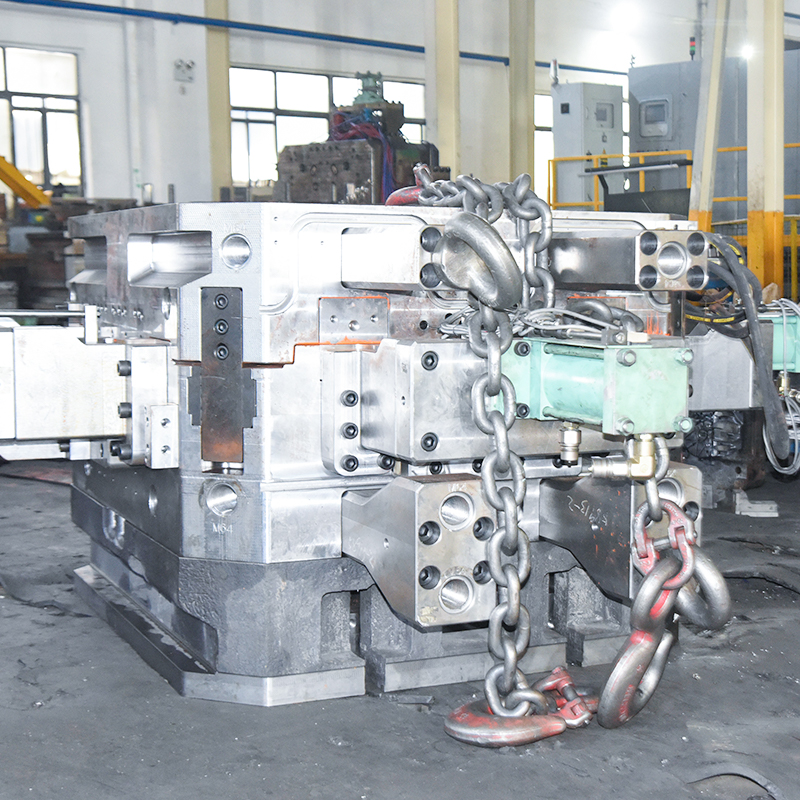
A high precision die casting mold is a specialized tool used in the die casting process to produce metal parts with extremely tight tolerances and superior surface finish. Unlike standard molds, these molds are engineered to maintain accuracy over thousands of cycles, allowing for consistent production of complex components. High precision molds are widely used in industries such as automotive, aerospace, electronics, and medical devices, where both strength and dimensional accuracy are critical. By providing a controlled environment for molten metal to solidify, high precision die casting molds ensure that every part meets stringent quality standards, reduces post-processing requirements, and minimizes material waste.
1. Key Features of High Precision Die Casting Molds
High precision die casting molds possess several distinct features that differentiate them from conventional molds. First, they are constructed from high-grade tool steels or alloy materials capable of withstanding high injection pressures and extreme temperatures. Advanced machining techniques, such as CNC milling and EDM, ensure precise cavity dimensions and smooth surface finishes. Many high precision molds incorporate optimized cooling channels, venting systems, and ejector mechanisms to prevent defects such as warping, shrinkage, and porosity. Furthermore, surface treatments like nitriding or coating can enhance wear resistance and extend mold lifespan. These design considerations allow manufacturers to achieve tolerances as tight as ±0.01 mm, making them suitable for highly detailed and functional components.
2. How High Precision Die Casting Molds Work
The working principle of a high precision die casting mold involves several carefully coordinated steps. First, the mold is securely mounted into a die casting machine. Molten metal—commonly aluminum, zinc, or magnesium—is injected into the mold cavity under high pressure. The mold’s complex internal design ensures uniform metal flow, rapid cooling, and minimal shrinkage. After solidification, the mold opens, and the part is ejected using precision-controlled pins or slides. High precision molds may include multi-cavity layouts or movable slides to produce complex geometries in a single cycle, improving efficiency and reducing post-processing requirements. This precision ensures consistent part quality, which is crucial for industries that demand strict dimensional and functional standards.
High Precision vs. Standard Die Casting Molds
| Feature | High Precision Mold | Standard Mold |
|---|---|---|
| Tolerance Accuracy | ±0.01 mm – ±0.05 mm | ±0.1 mm – ±0.3 mm |
| Surface Finish | Mirror-like, smooth | Rougher, may need machining |
| Mold Material | High-grade tool steel | Standard tool steel |
| Complexity of Shapes | Complex geometries | Simple to moderate |
| Lifespan | High (thousands of cycles) | Medium (hundreds to low thousands) |
3. Applications of High Precision Die Casting Molds
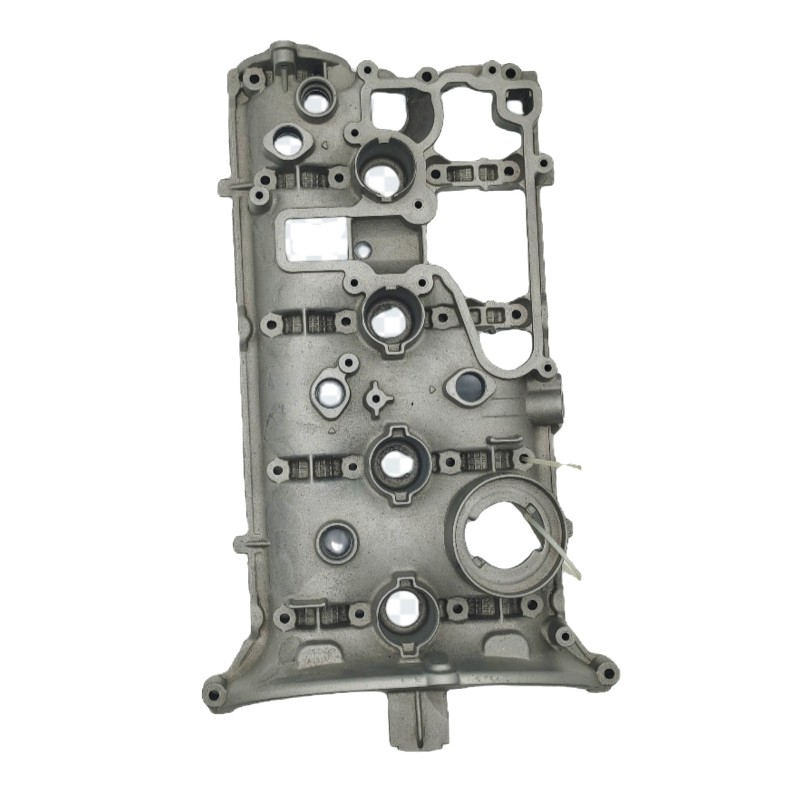
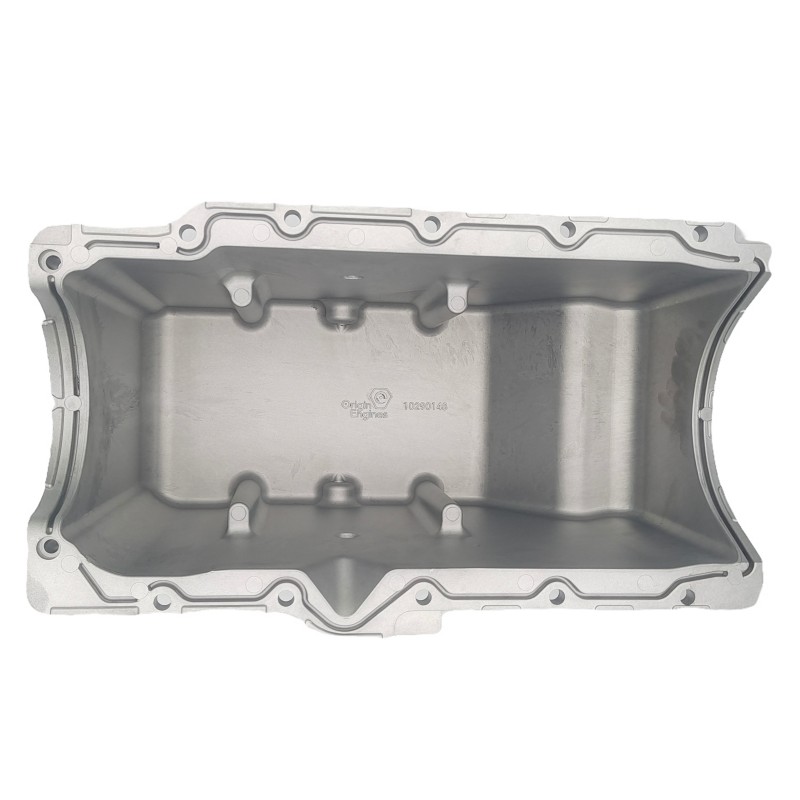
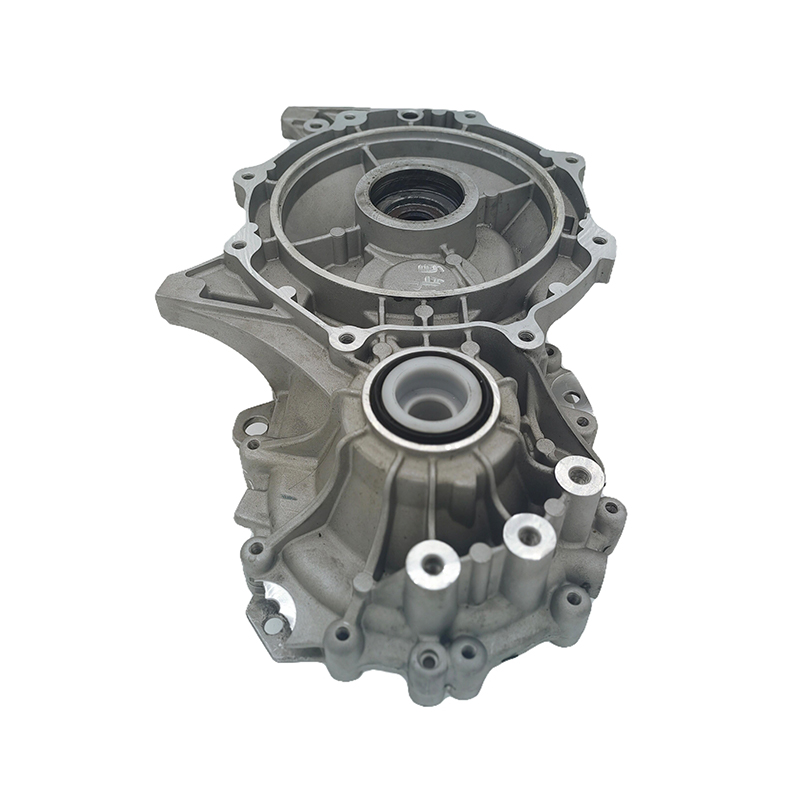
High precision die casting molds are essential for applications that require exact specifications and superior surface quality. In the automotive industry, they produce engine components, transmission parts, and structural elements that must meet strict tolerances for performance and safety. Aerospace applications include lightweight, high-strength components that demand tight dimensional control. In electronics, high precision molds create housings, connectors, and heat sinks where accurate dimensions are critical for assembly and functionality. Medical devices, such as surgical instruments or implantable components, also benefit from high precision molds due to their need for reliability and exacting standards. By ensuring consistent quality and minimal defects, high precision molds reduce post-processing and scrap rates, improving overall production efficiency.
4. Advantages of Using High Precision Die Casting Molds
Using high precision die casting molds offers multiple benefits. First, they provide consistent part quality and high repeatability, reducing variability in critical components. Second, the improved surface finish often eliminates or reduces the need for secondary machining, saving time and costs. Third, their durability ensures long service life, even under high-volume production conditions, making them cost-effective over time. Additionally, the ability to produce complex geometries in a single cycle enhances manufacturing efficiency and enables innovative product designs. These advantages make high precision die casting molds indispensable for industries seeking both quality and efficiency.
High precision die casting molds play a crucial role in modern manufacturing by enabling the production of complex, high-quality metal components with exceptional accuracy and surface finish. Through advanced material selection, precision machining, and innovative mold design, these molds meet the stringent demands of industries such as automotive, aerospace, electronics, and medical devices. The combination of durability, precision, and efficiency makes high precision molds a vital tool for producing parts that are reliable, functional, and cost-effective. As technology continues to evolve, these molds will become even more capable, supporting increasingly sophisticated designs and production needs.
FAQ
Q1: What metals are commonly used with high precision die casting molds?
A: Aluminum, zinc, magnesium, and copper alloys are commonly used due to their good flow characteristics and mechanical properties.
Q2: How long do high precision molds last?
A: Depending on maintenance and material, high precision molds can last thousands of cycles, often much longer than standard molds.
Q3: Which industries benefit most from high precision die casting molds?
A: Automotive, aerospace, electronics, medical devices, and consumer electronics industries benefit significantly due to the need for tight tolerances and complex geometries.
References
- Rosato, D.V., Injection Molding and Die Casting Handbook, 4th Edition, 2022.
- Osswald, T.A., Materials Science for Precision Casting, 2021.
- Smith, J., Advanced Die Casting Techniques, 2023.
- National Institute of Standards and Technology (NIST), “High Precision Mold Design Guide,” 2024.


 1 Building No.1 No.226. Tiantaishan Road, Daqi street. Beilun District, Ningbo City, Zhejiang Province, China
 +86-15967858563
