
 English
 Español
 Deutsch
 русский
Outboard motors serve as the propulsion system for many types of boats, ranging from small dinghies to larger offshore vessels. These motors are not just about power, but also about reliability and performance under tough conditions. die castings play an essential role. Die casting is a process where molten metal is injected into a mold to create highly precise, complex parts. These parts are then used in assembling Outboard motor die castings, and their quality is paramount to ensure optimal motor performance and durability.
What Are Outboard Motor Die Castings?
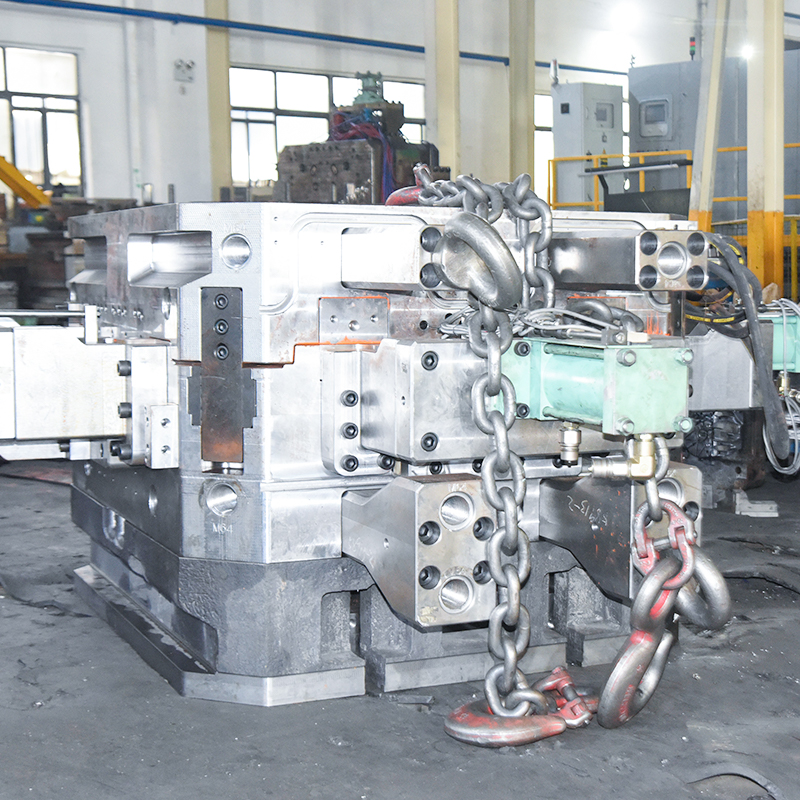
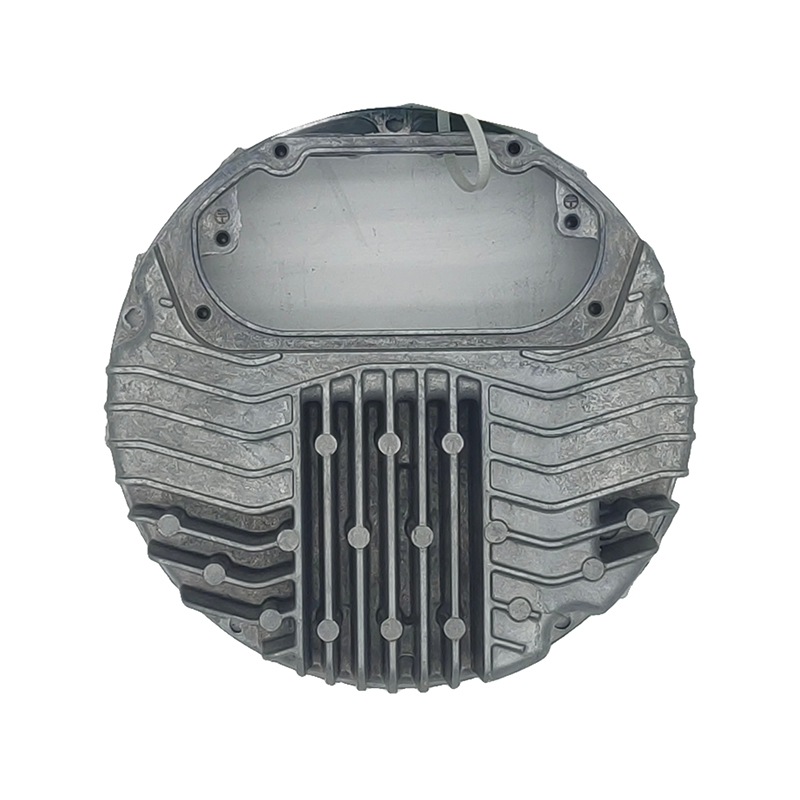
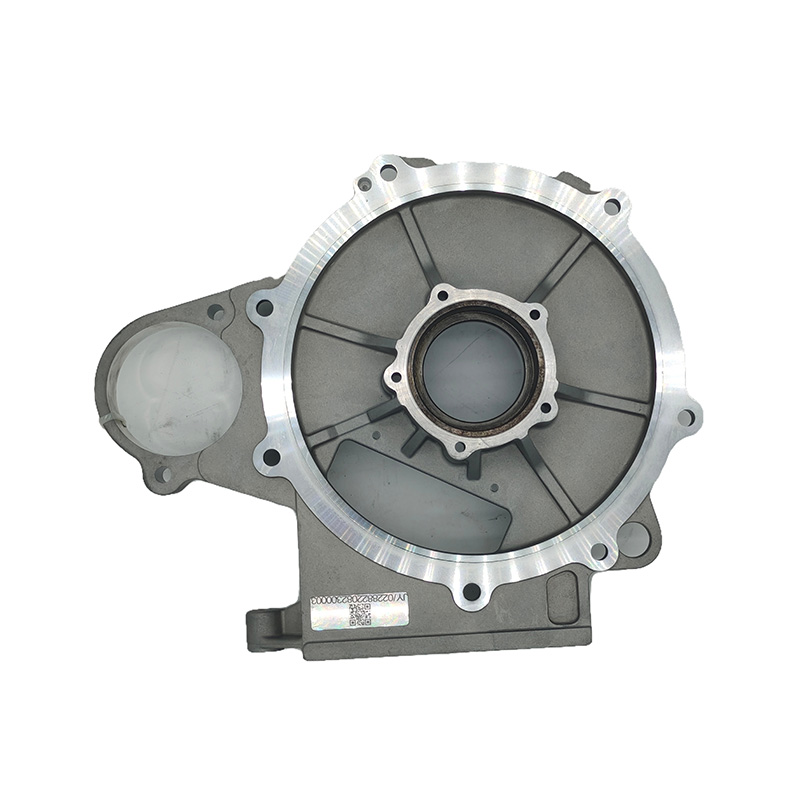
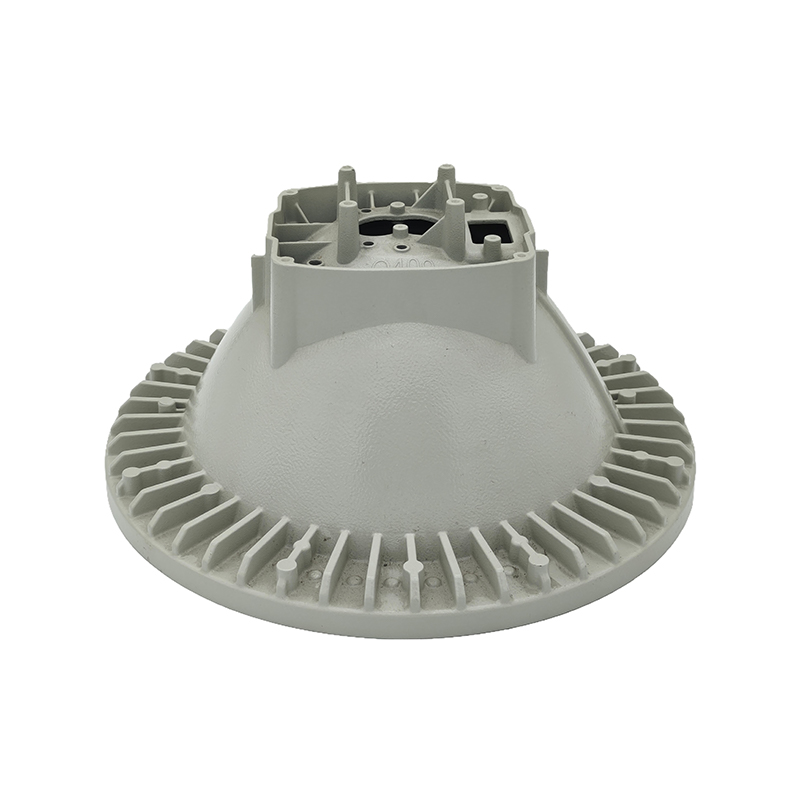
Die casting is a manufacturing process that involves pouring molten metal (usually aluminum or zinc alloys) into molds under high pressure. The metal cools and solidifies quickly, forming intricate parts that meet specific designs. For outboard motors, die castings are typically made from aluminum alloys, which offer a unique combination of light weight, strength, and resistance to corrosion. These die-cast components form the bulk of the motor’s exterior and some of its internal parts, contributing directly to both structural integrity and operational performance.
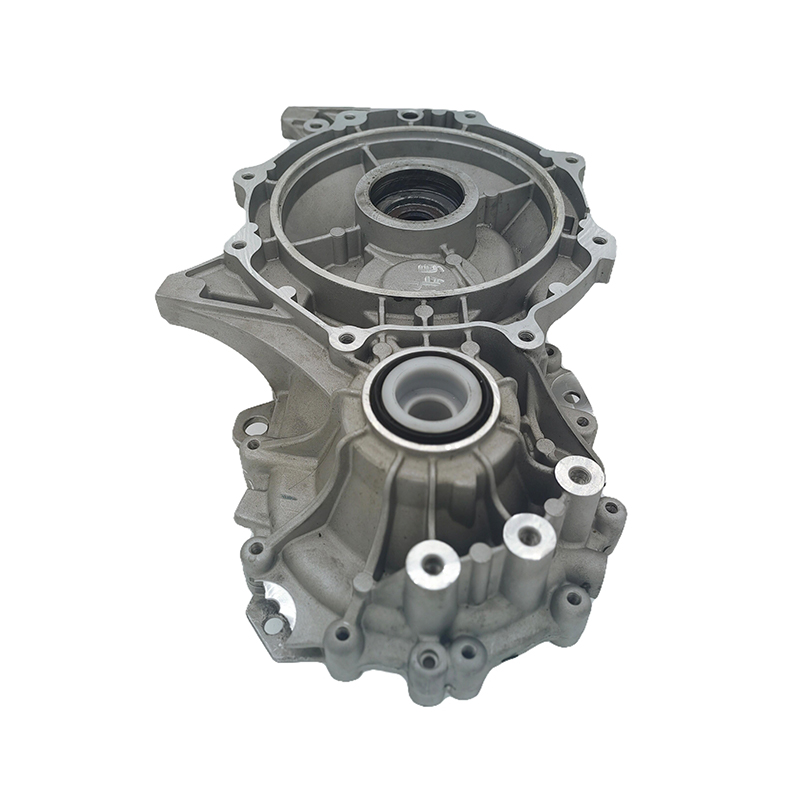
Some of the critical die-cast components in outboard motors include:
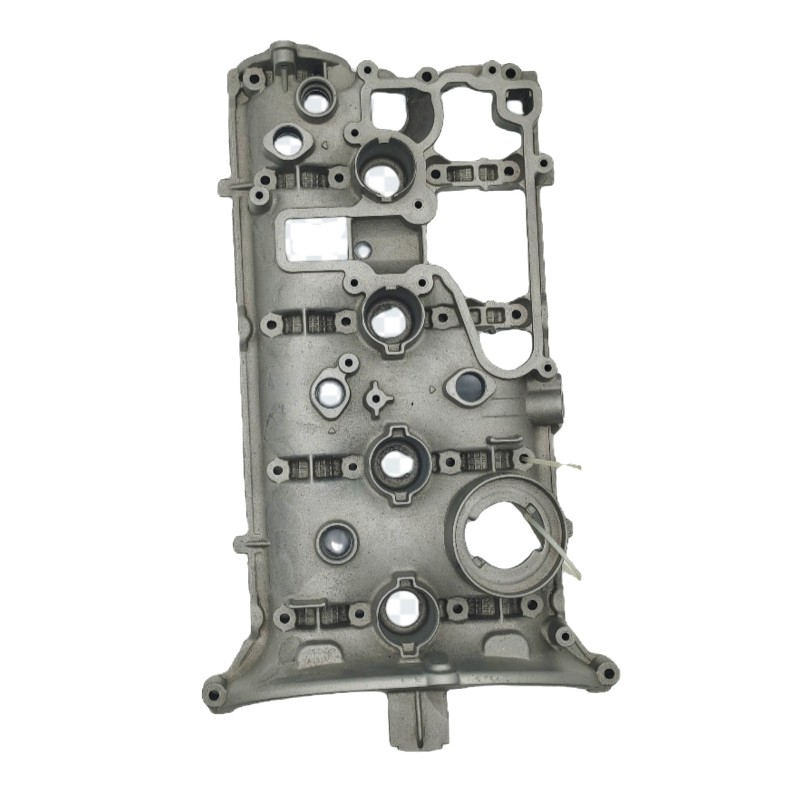
- Crankcases: These house the crankshaft and are vital for the engine’s operation.
- Cylinder Heads: They contain valves and spark plugs and are essential for combustion.
- Exhaust Covers: These prevent exhaust gases from escaping prematurely and help maintain engine efficiency.
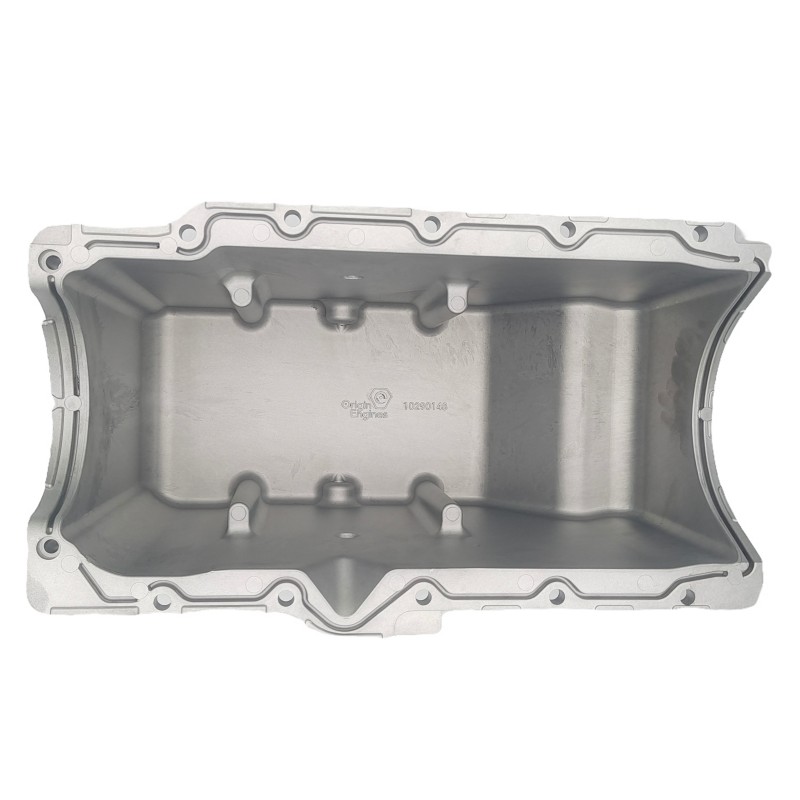
- Oil Pans: These hold the oil used for lubrication and cooling within the motor.
The precision with which die-cast components are made is one of the reasons they are so essential. Unlike traditional casting methods, die casting allows for parts with very tight tolerances and complex geometries, making it ideal for high-performance engines like those in outboard motors.
Why Are They Essential for Boat Engines?
Die-cast components are indispensable for outboard motors for several reasons, including durability, lightweight construction, and precision. These factors combine to offer optimal engine performance in the harsh conditions typical of marine environments.
1. Durability and Longevity
Outboard motors are constantly exposed to demanding conditions such as saltwater, moisture, and fluctuating temperatures. Aluminum, the material most commonly used for die-cast components, is particularly well-suited to these environments. It is naturally resistant to corrosion, which is a significant factor in extending the life of the motor. Saltwater, in particular, is notorious for causing rust and corrosion in metals. However, aluminum die castings are far less susceptible to these effects compared to other metals, meaning they will withstand the constant exposure to the elements without degrading as quickly.
Durability Features of Aluminum Die Castings:
| Feature | Benefit |
|---|---|
| Corrosion Resistance | Aluminum naturally resists saltwater corrosion. |
| Heat Dissipation | Aluminum’s thermal conductivity prevents overheating. |
| Strength | Die-cast parts are strong enough to handle engine stresses. |
| Impact Resistance | Aluminum die castings can withstand shocks without cracking. |
This high level of durability ensures that outboard motors with die-cast parts require fewer repairs and maintenance over their lifetime, which saves boat owners money and enhances their overall boating experience.
2. Precision and Performance
The precision inherent in the die casting process ensures that the components fit together perfectly. This is crucial in an outboard motor, where even the slightest misalignment of parts can lead to inefficiencies, increased wear, or catastrophic failure. When die-cast parts are made, they are produced with a high degree of accuracy, meaning the motor’s internal components fit precisely together. This helps to minimize friction, which in turn increases fuel efficiency, reduces heat generation, and boosts the motor’s overall power output.
Benefits of Precision in Die Casting for Outboard Motors:
- Enhanced Power Output: Properly aligned parts work together smoothly, increasing engine power and performance.
- Reduced Fuel Consumption: Efficient engines with minimal friction burn less fuel, making boating more economical.
- Longer Component Life: Proper alignment reduces wear and tear on the parts, extending their service life.
The ability to mass-produce high-precision parts at scale makes die casting an attractive option for outboard motor manufacturers looking to optimize both performance and cost.
3. Lightweight Construction
Outboard motors need to be lightweight for easy handling, both on the boat and when transporting the motor. Die-cast aluminum parts offer a balance between lightness and strength. Their low weight is particularly advantageous for both small and large boats, as it makes the motor easier to handle, install, and maintain, without sacrificing the power needed for propulsion.
The lightweight nature of aluminum also translates to better fuel efficiency. A lighter motor requires less energy to propel the boat, which reduces overall fuel consumption and can extend the boat’s range.
FAQ
Q1: How does die casting improve fuel efficiency in outboard motors?
A1: Die casting allows for high precision in engine components, which reduces friction between parts. Less friction means the motor operates more efficiently, using less fuel to generate the same amount of power.
Q2: Why is aluminum the preferred material for outboard motor die castings?
A2: Aluminum is lightweight, strong, resistant to corrosion, and has excellent thermal conductivity. These properties make it ideal for use in marine environments where weight reduction and resistance to the harsh conditions of saltwater are crucial.
Q3: What is the lifespan of die-cast parts in outboard motors?
A3: With proper care and maintenance, die-cast parts can significantly extend the lifespan of an outboard motor. The corrosion resistance of aluminum ensures that parts last for many years, even under the challenging marine conditions.
Q4: Can outboard motor die-cast parts be repaired if damaged?
A4: Yes, in some cases, damaged die-cast parts can be repaired through welding or other specialized techniques. However, it’s often more cost-effective to replace damaged parts with new ones, especially if they are extensively worn or cracked.


 1 Building No.1 No.226. Tiantaishan Road, Daqi street. Beilun District, Ningbo City, Zhejiang Province, China
 +86-15967858563
