
 English
 Español
 Deutsch
 русский
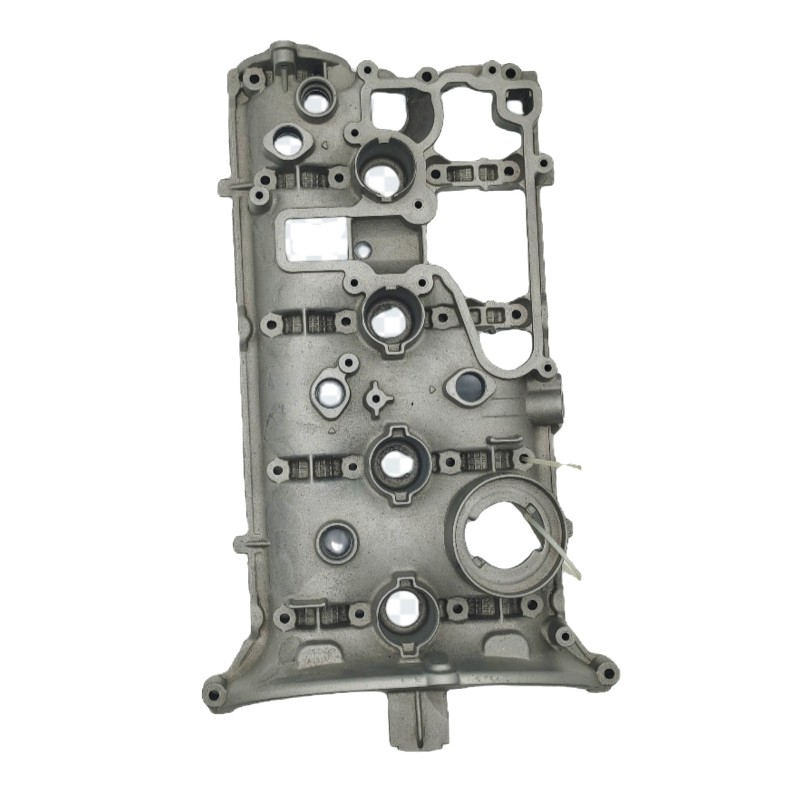
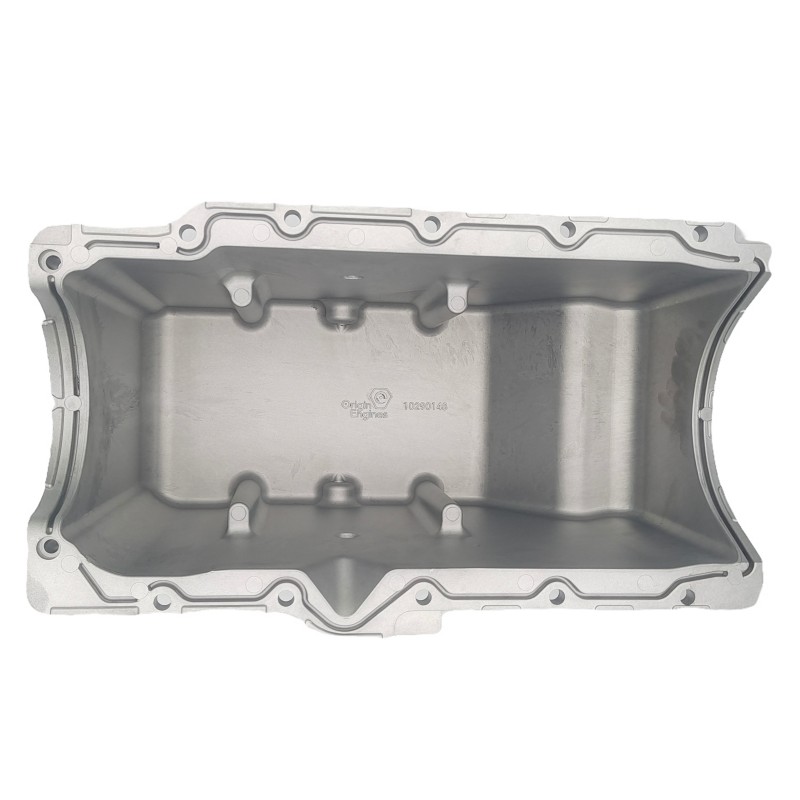
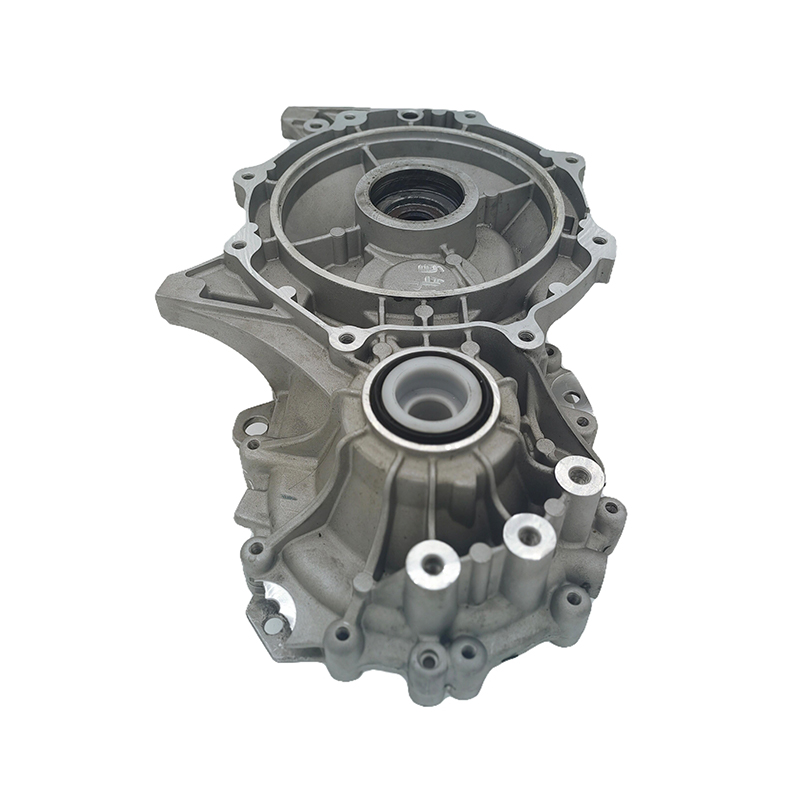
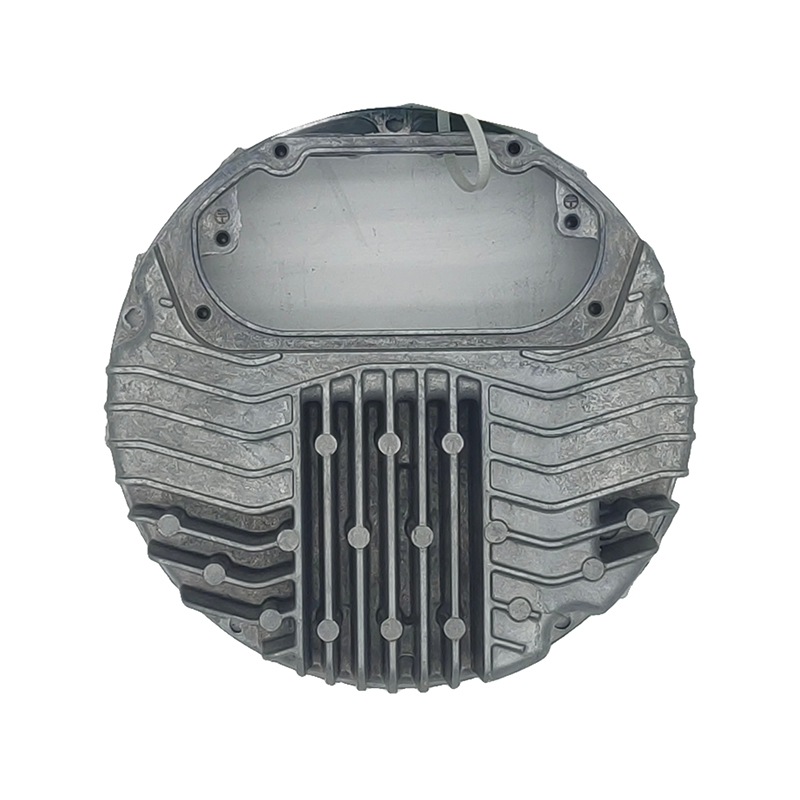
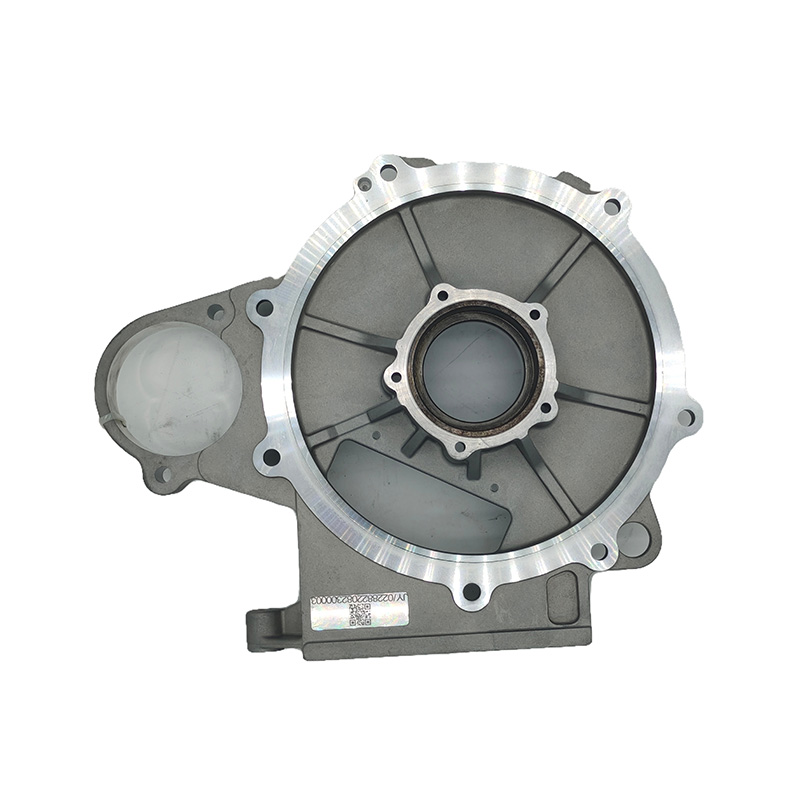
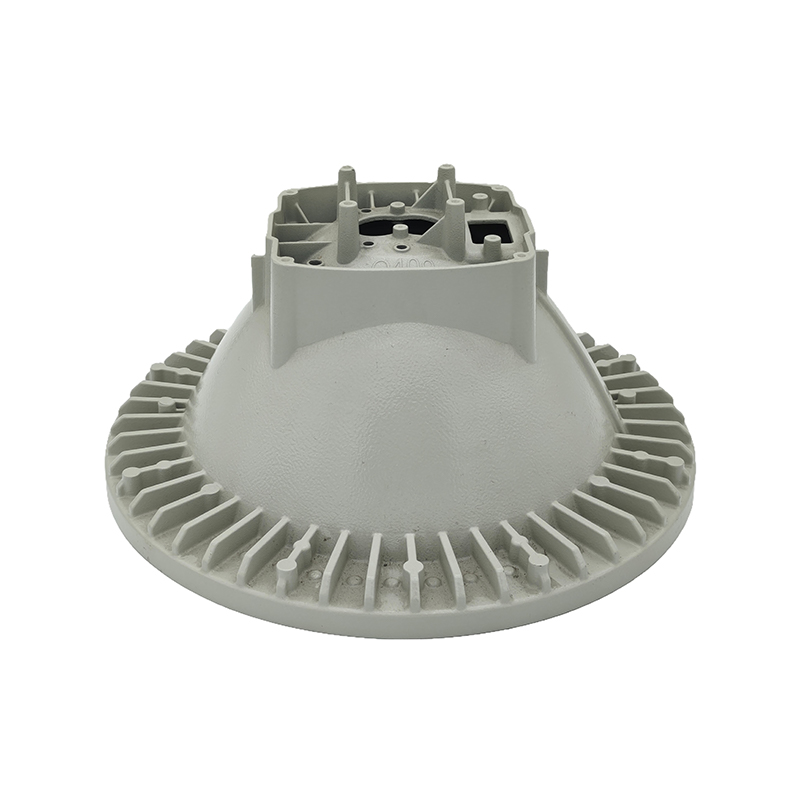
Electric motors are the backbone of countless industries, from manufacturing and automotive to consumer electronics. As motor technology advances, the components used in their construction must evolve to meet increasing performance, efficiency, and durability demands. One of the key innovations driving this change is the use of inspired motor die castings. These castings, typically made from metals like aluminum, zinc, or magnesium alloys, offer numerous advantages in the production of electric motor components.
1. Enhanced Structural Integrity
Motor components, particularly the housing, end shields, and internal elements, must withstand substantial mechanical stress during operation. Traditional manufacturing methods, like machining or forging, can struggle to deliver the consistency and precision needed for such complex parts. Inspired motor die castings, however, offer significant advantages in terms of structural integrity.
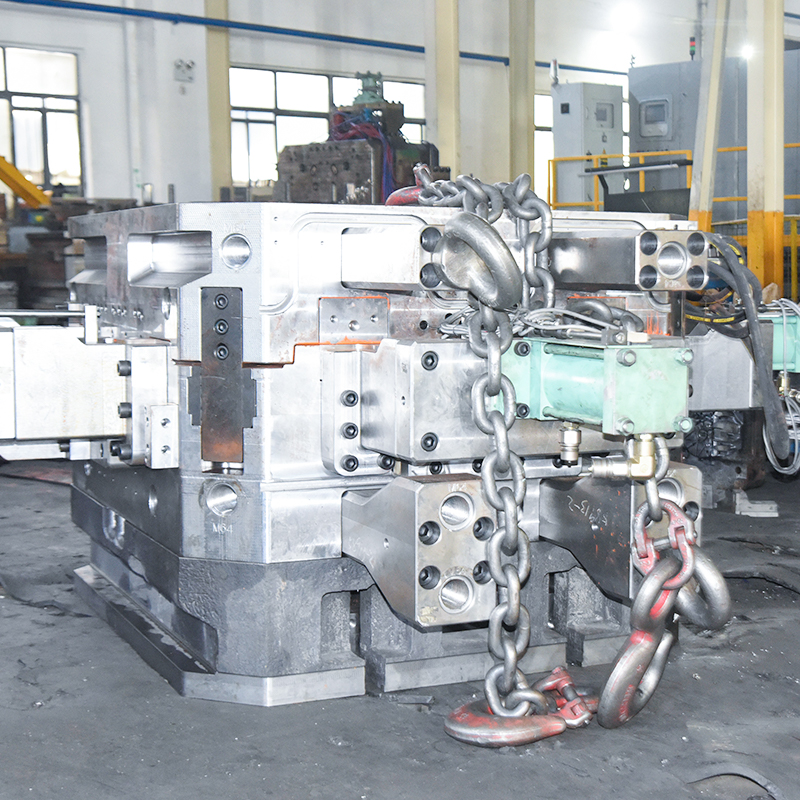
The die casting process involves injecting molten metal under high pressure into a precisely engineered mold, resulting in parts that are dense, strong, and resistant to fractures. This manufacturing technique minimizes the risk of defects, such as voids or cracks, which are common with cast or machined parts.
Moreover, die-cast motor parts are often made from lightweight yet durable alloys, like aluminum, which enhances both the strength and weight efficiency of the motor. As a result, motors are more robust, resistant to wear, and have a longer service life, especially in high-performance environments where mechanical stress is a concern.
By using die-cast components, manufacturers can achieve high tolerance levels that ensure consistent fit and alignment, which is vital for the smooth operation of electric motors.
2. Improved Thermal Conductivity
In electric motors, heat management is crucial for performance and longevity. During operation, motors inevitably generate heat, which, if not managed properly, can lead to overheating and efficiency loss. The quality of the materials used to manufacture motor components plays a crucial role in how well the motor can handle thermal stress.
Die-cast parts, particularly those made from aluminum or copper-based alloys, are known for their superior thermal conductivity. These materials allow heat to dissipate quickly, preventing overheating and maintaining optimal motor performance. High thermal conductivity is especially beneficial in high-load or high-speed motors where heat buildup is more likely to occur.
The ability to rapidly dissipate heat not only improves the overall efficiency of the motor but also extends its lifespan by reducing the likelihood of thermal degradation, a common cause of motor failure. In applications such as industrial machinery, electric vehicles, and HVAC systems, where motors run for extended periods, the enhanced thermal management provided by die-cast components is invaluable.
3. Design Flexibility
One of the most significant advantages of using die castings in motor manufacturing is the design flexibility they offer. The die casting process allows for the creation of complex, precise shapes and structures that would be challenging or impossible to achieve through traditional machining methods. This is particularly important in the context of electric motors, where space constraints, weight reduction, and efficiency are key concerns.
Die-cast motor parts can incorporate intricate features such as thin walls, deep cavities, and precise geometric shapes, all in a single casting operation. This capability leads to more compact motor designs, reducing both the motor’s size and weight. These optimized designs are essential for industries like automotive, where the demand for lightweight and efficient motors is growing, particularly in electric vehicles (EVs).
In addition, the ability to use die casting to produce parts with high dimensional accuracy reduces the need for post-production machining or assembly, further streamlining the manufacturing process.
| Benefit | Description |
|---|---|
| Complex Shapes | Die casting allows for complex, high-precision shapes with minimal post-production work. |
| Lightweight Components | Die-cast components can be designed to be lightweight, reducing motor weight and improving efficiency. |
| Precision and Tolerances | The process allows for high-precision parts that ensure proper fit and function in motors. |
| Reduced Assembly Steps | Parts can often be produced with integrated features, reducing the need for secondary assembly operations. |
4. Cost-Effectiveness
Another compelling reason to use inspired motor die castings is their cost-effectiveness. Die casting, particularly when employed for high-volume production, is an efficient process that offers a high degree of automation. This reduces both labor costs and the time required to produce motor components.
The ability to produce complex parts with minimal material waste also contributes to cost savings. Traditional manufacturing methods, such as machining, often require substantial amounts of material to be cut away, leading to higher material costs. In contrast, die casting results in near-net shape components, meaning that the amount of material wasted during production is minimized.
For electric motor manufacturers, these savings can be passed down to consumers, making die-cast motors more affordable without compromising on quality. Furthermore, because die casting typically requires fewer finishing operations, the overall time-to-market for products is reduced, which benefits manufacturers aiming to stay competitive.
5. Reduced Need for Secondary Operations
Die casting typically produces components that are near-net shape, meaning that minimal post-production work is required to bring them to their final specifications. This reduces the need for secondary operations such as machining, grinding, or polishing, which are often necessary with parts produced through other methods.
For electric motors, this translates to faster production cycles, lower labor costs, and reduced material waste. Die-cast parts often require only light finishing or coating, making the process highly efficient. The reduced need for secondary operations allows manufacturers to meet demand quickly while ensuring that parts maintain their high-quality standards.
By minimizing the need for secondary processes, die casting helps streamline the entire motor manufacturing process, resulting in a more cost-effective and efficient production flow.
6. Consistent Quality and Precision
Consistency and precision are two of the most critical factors in manufacturing components for electric motors. Die casting is a highly repeatable process, meaning that each part produced is nearly identical to the last. This is especially important in motor manufacturing, where small variations in size or shape can lead to performance issues or failures.
The use of precisely engineered molds ensures that die-cast parts meet strict quality standards, with minimal variation from one production run to the next. This consistency ensures that electric motors function smoothly and reliably over their entire lifespan, reducing the likelihood of defects or performance failures.
Frequently Asked Questions (FAQ)
1. How long do die-cast motor components last?
Die-cast motor components are designed for long-lasting performance. Their durability is enhanced by the high strength of the casting material and the precision of the manufacturing process, resulting in motor parts that withstand mechanical stress, heat, and wear.
2. What metals are commonly used for die casting in motors?
Aluminum and zinc are the most commonly used metals in die casting for motors. These metals are lightweight, corrosion-resistant, and have excellent thermal conductivity, making them ideal for motor components.
3. Is die casting suitable for all types of motors?
Die casting is particularly well-suited for high-volume production of motor parts, especially in industries like automotive and industrial applications. However, it may not be the best choice for very small production runs or for parts that require complex internal geometries.


 1 Building No.1 No.226. Tiantaishan Road, Daqi street. Beilun District, Ningbo City, Zhejiang Province, China
 +86-15967858563
