
 English
 Español
 Deutsch
 русский
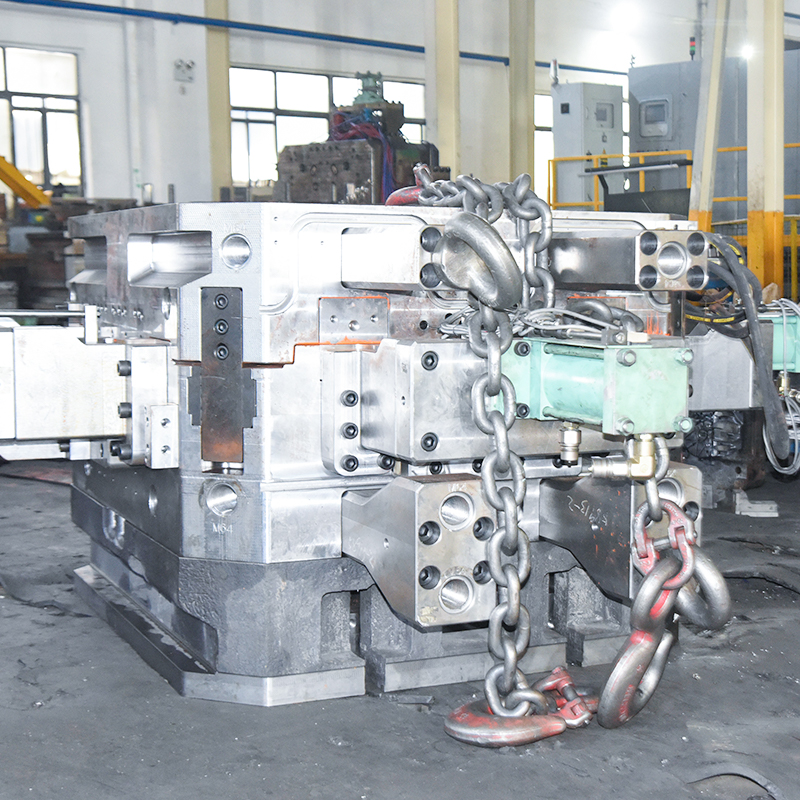
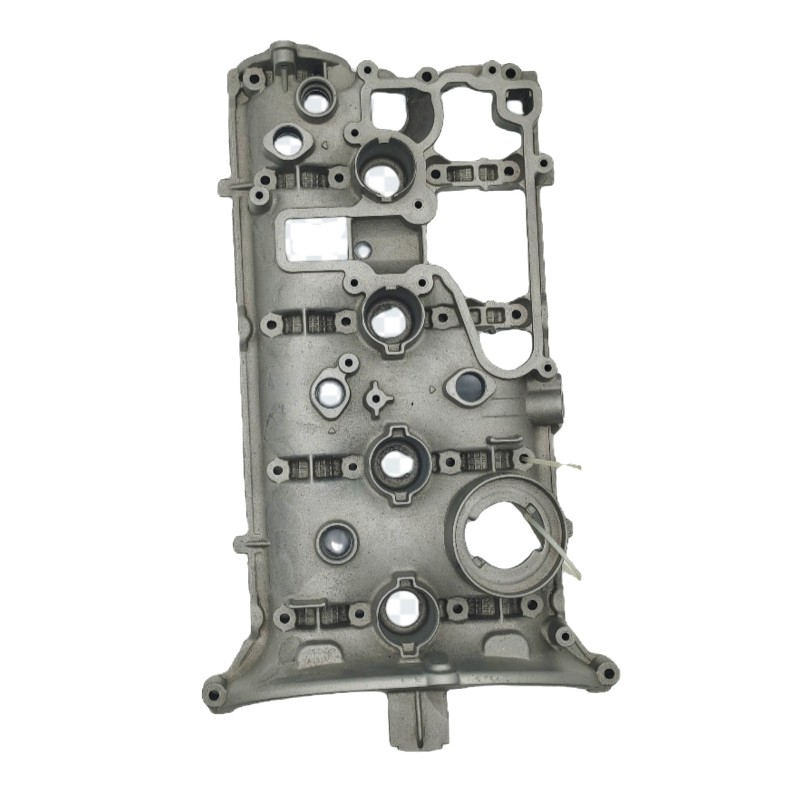
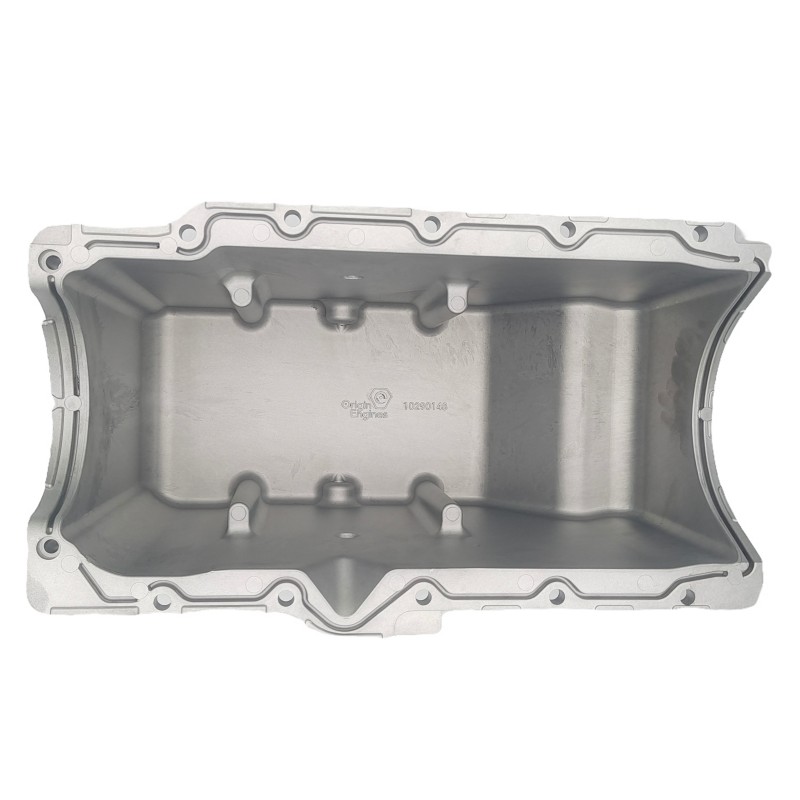
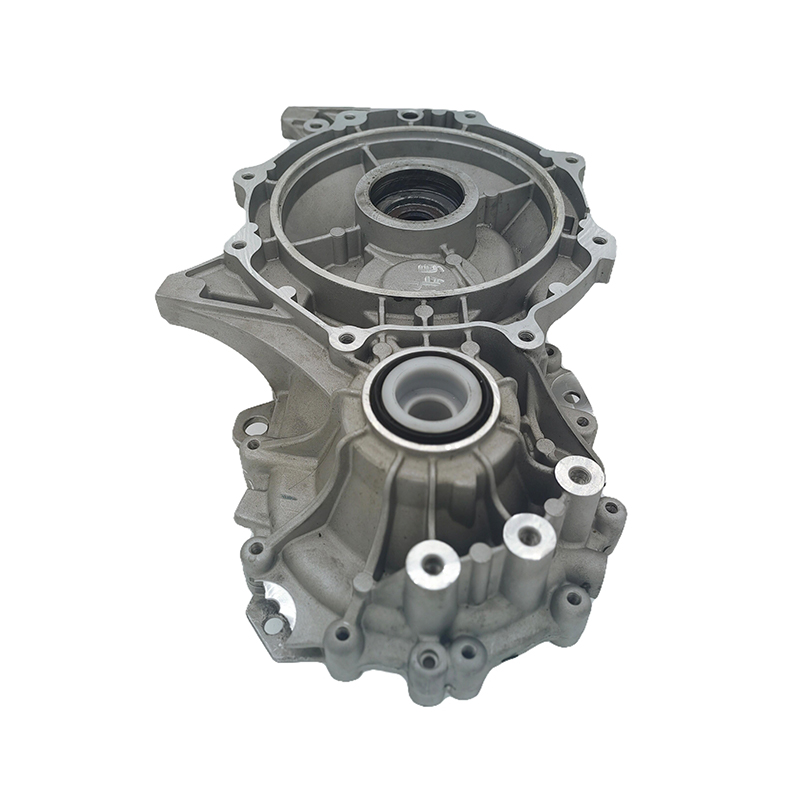
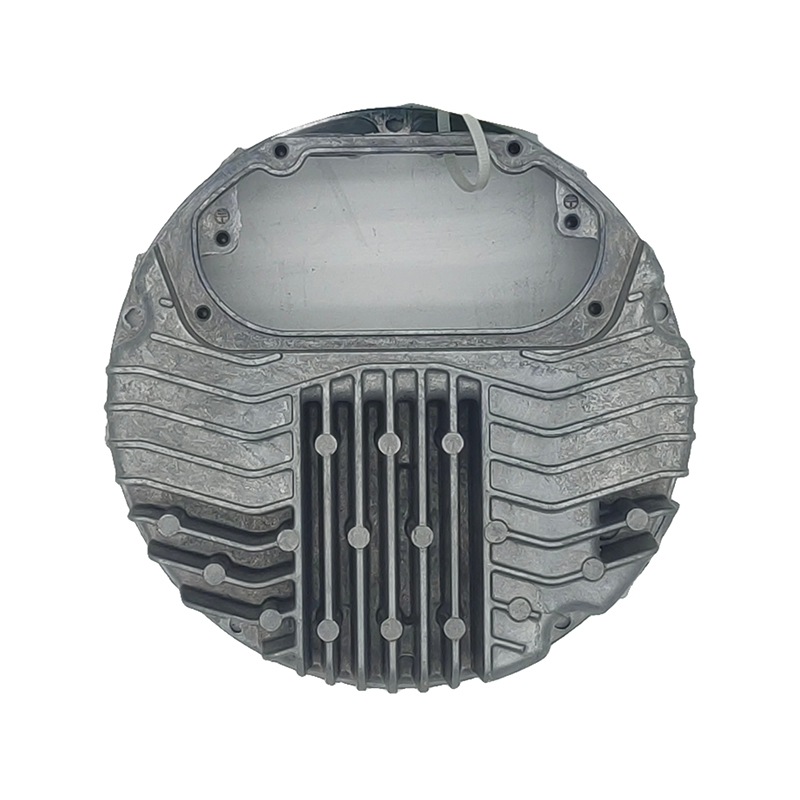
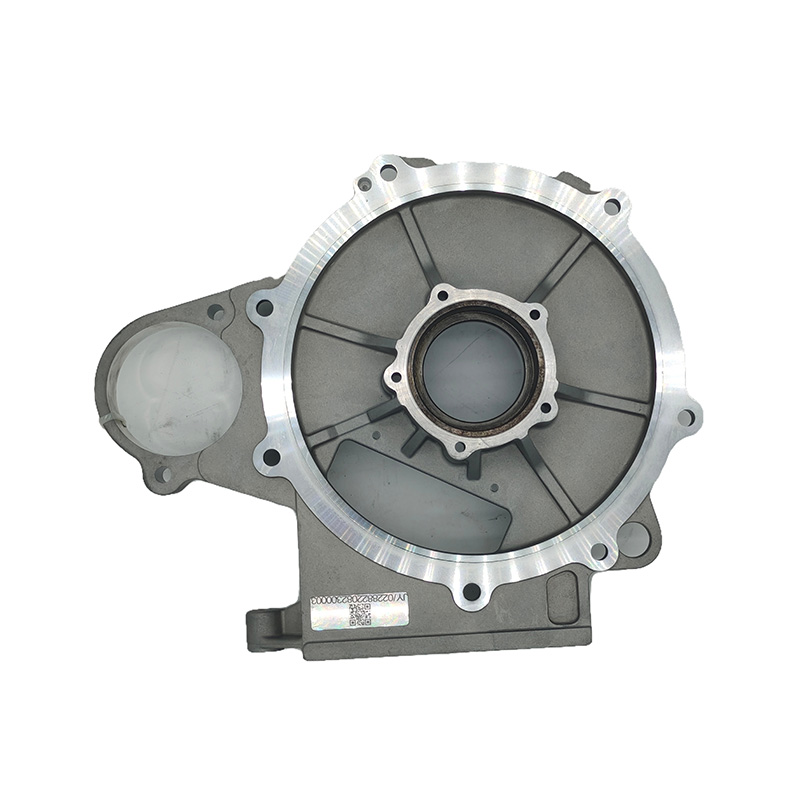
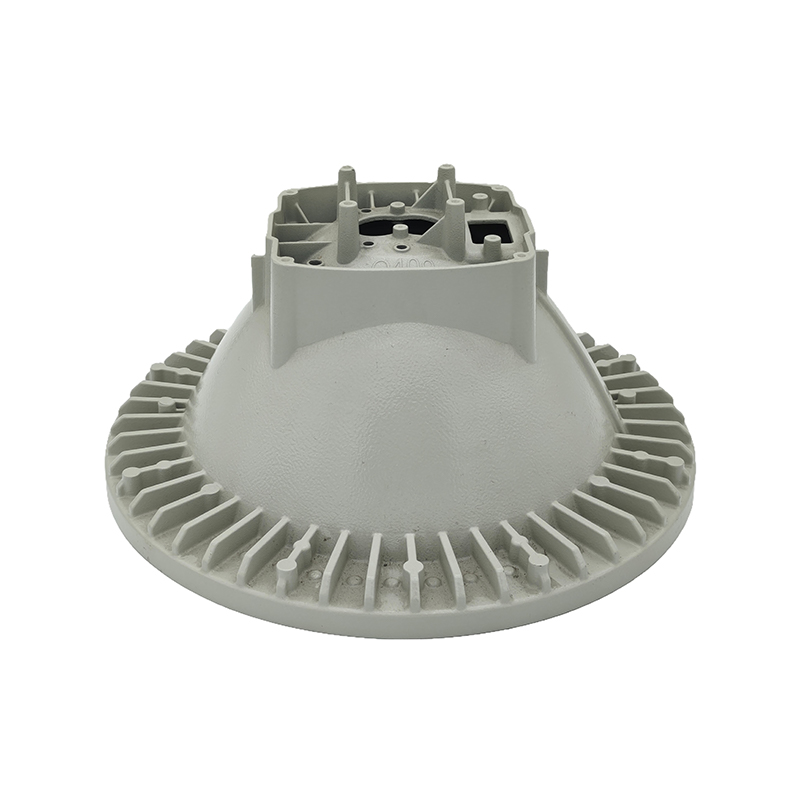
Outboard motors are essential for marine transportation, powering boats efficiently while enduring harsh marine environments. One of the critical aspects in designing high-performance outboard motors is the use of die cast components. Die casting is a manufacturing process where molten metal is injected into a precisely designed mold under high pressure. This allows for the production of intricate and dimensionally accurate parts, making it an ideal method for outboard motor components such as engine housings, gearcases, and mounting brackets. Compared to traditional casting or machining methods, die casting provides superior precision and repeatability, which is vital for the reliable performance of marine engines.
Precision, Strength, and Lightweight Design
One of the main advantages of die castings in outboard motors is their combination of precision and strength. Die cast components are manufactured to very tight tolerances, ensuring that all parts fit together seamlessly. This precise fit reduces mechanical stress, vibration, and wear during engine operation, ultimately enhancing the longevity of the motor. Additionally, die cast materials, commonly aluminum or zinc alloys, are lightweight yet strong. Reducing the overall weight of the outboard motor improves fuel efficiency, maneuverability, and ease of handling without compromising structural integrity.
Cost Efficiency and Complex Design Capabilities
Die casting is not only technically advantageous but also cost-effective, especially for mass production. Once the molds are created, components can be produced rapidly in large quantities, reducing labor and machining costs. This efficiency also enables manufacturers to produce complex shapes in a single casting operation that would otherwise require multiple machining steps, saving time and materials. The ability to integrate multiple functions into one die cast part—such as built-in channels, mounting points, and structural reinforcements—further enhances manufacturing efficiency and reduces assembly complexity.
| Key Advantage | Description |
|---|---|
| Precision & Consistency | Tight tolerances ensure seamless part fitting and optimal engine performance |
| Strength-to-Weight Ratio | Lightweight aluminum alloys improve fuel efficiency without compromising durability |
| Cost-Effective Mass Production | Large-scale production reduces per-unit cost and machining requirements |
| Complex Design Capabilities | Allows for intricate shapes, built-in features, and reduced assembly steps |
| Corrosion Resistance | Die cast aluminum alloys withstand harsh marine environments, extending service life |
Corrosion Resistance and Long-Term Durability
Marine environments are highly corrosive due to constant exposure to saltwater, humidity, and temperature variations. Die cast components, particularly those made from aluminum alloys, provide excellent corrosion resistance, ensuring the engine parts last longer and require less maintenance. This durability minimizes the risk of deformation, cracking, or other structural failures, which could compromise motor performance or safety. Manufacturers often apply additional surface treatments, such as anodizing or powder coating, to further enhance corrosion resistance and improve aesthetic appearance. The combination of strength, lightweight design, and corrosion resistance makes die castings a reliable choice for modern outboard motors.
FAQ
Q1: Can die cast components be repaired if damaged?
A1: Minor damages can sometimes be repaired using welding or metal fillers. However, critical components often require replacement to ensure safety and performance.
Q2: How long do die cast outboard motor parts last?
A2: With proper maintenance, die cast components can last for over a decade, even in harsh marine conditions.
Q3: Are die cast parts heavier than forged parts?
A3: No, die cast parts are typically lighter while maintaining sufficient strength, which benefits engine performance and fuel efficiency.
Q4: Why is die casting preferred over traditional machining?
A4: Die casting allows for faster production, more complex designs, consistent quality, and lower per-unit cost compared to machining each part individually.
References
- Totten, G.E. Steel Heat Treatment: Metallurgy and Technologies, 2nd Edition, CRC Press, 2006.
- Campbell, J. Complete Casting Handbook, 2nd Edition, Elsevier, 2011.
- Davis, J.R. Aluminum and Aluminum Alloys, ASM International, 2001.
- ASTM International. Standards for Die Casting Alloys, ASTM B85-17, 2017.


 1 Building No.1 No.226. Tiantaishan Road, Daqi street. Beilun District, Ningbo City, Zhejiang Province, China
 +86-15967858563
