
 English
 Español
 Deutsch
 русский
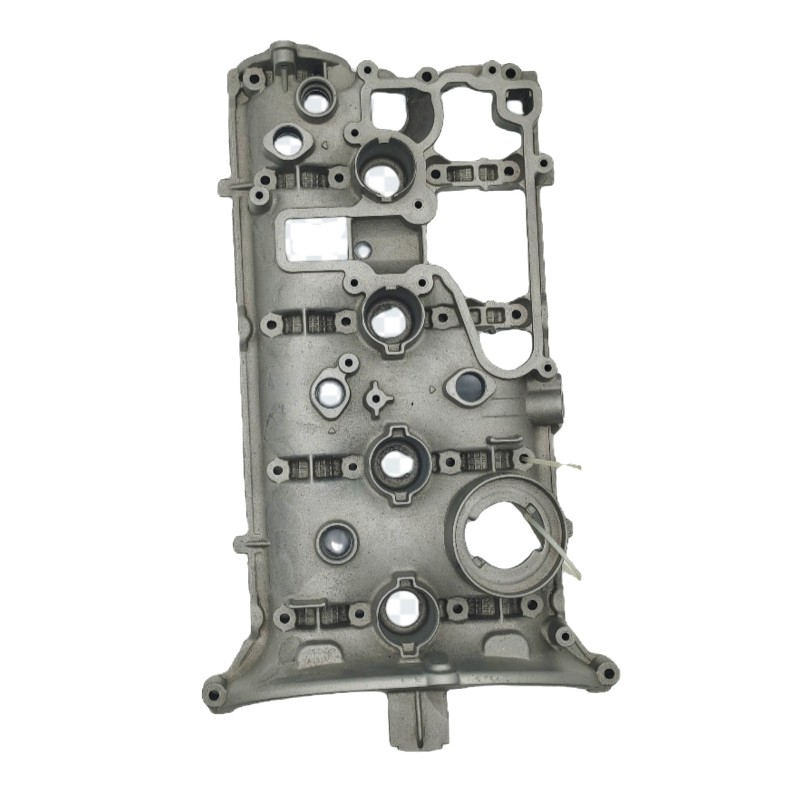
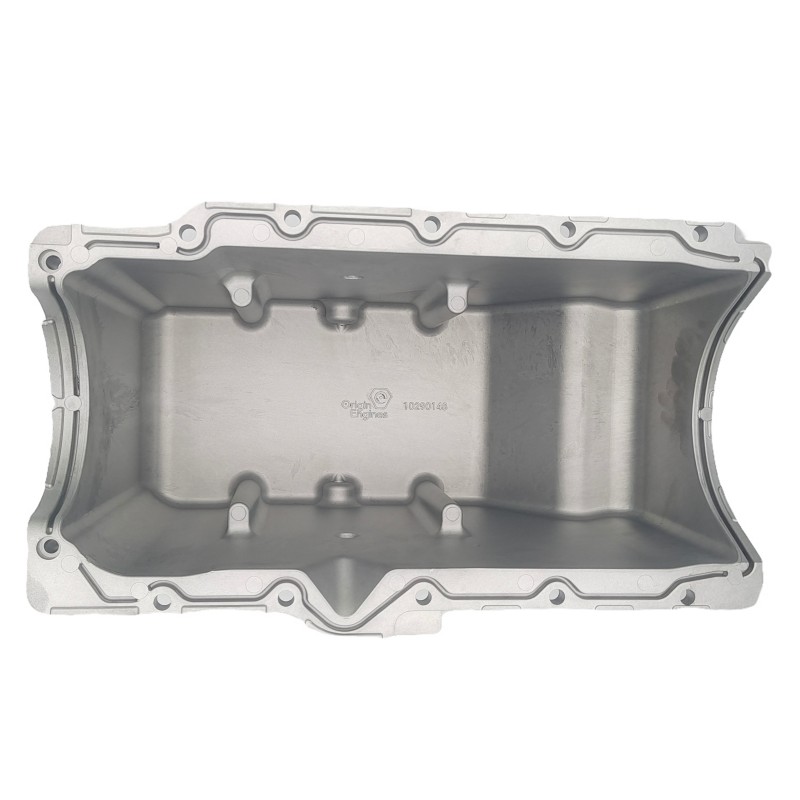
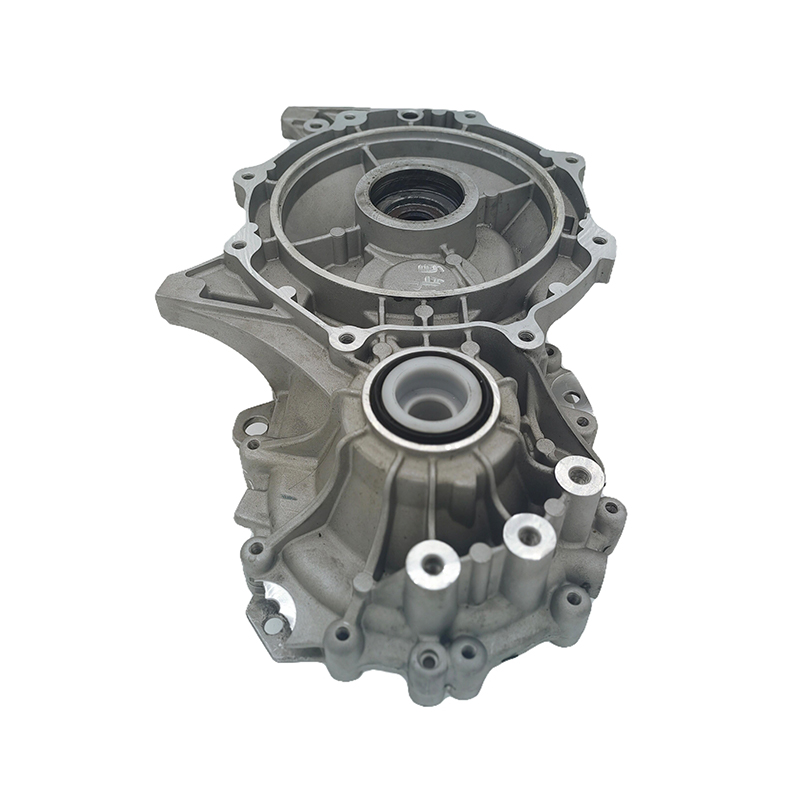
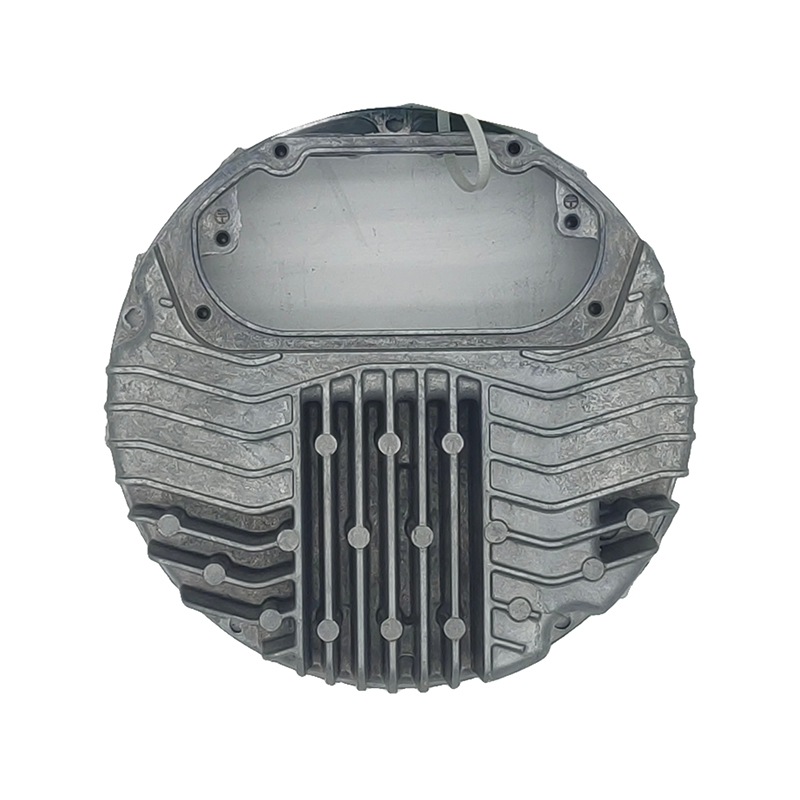
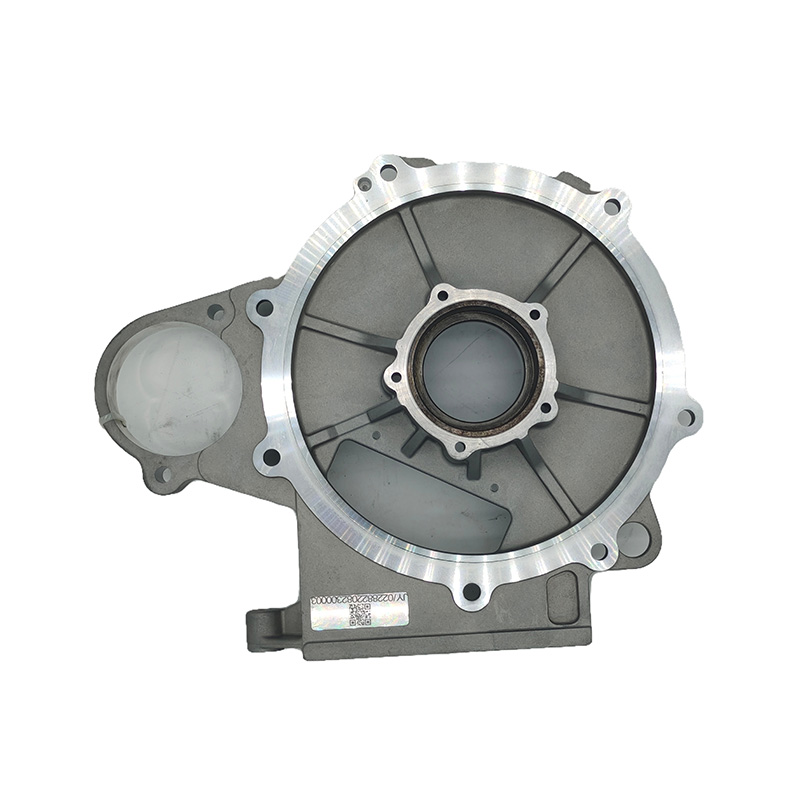
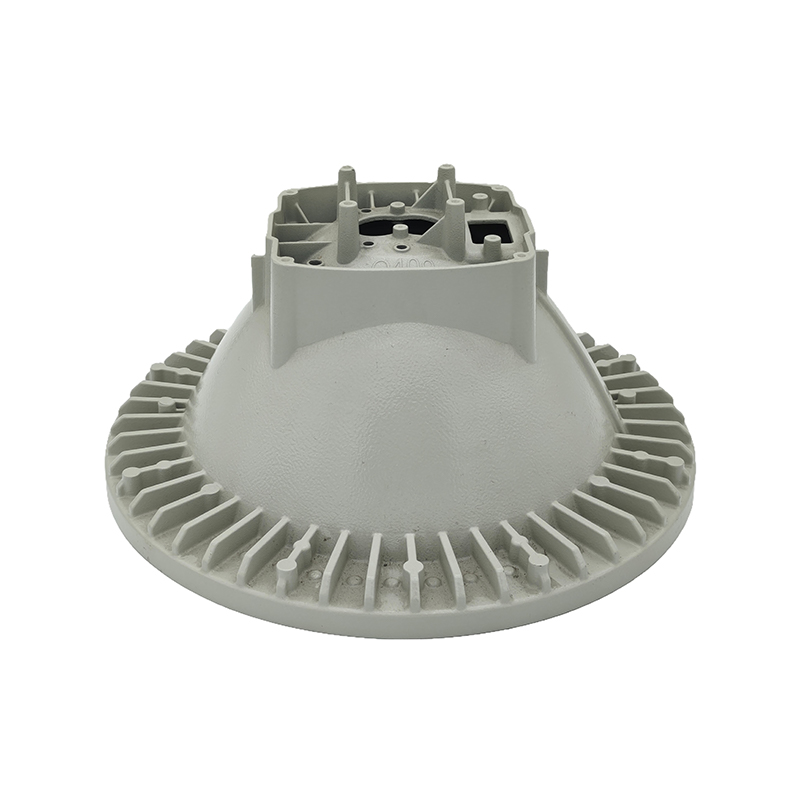
As modern engines continue to evolve toward higher efficiency, lighter weight, and longer service life, the demand for components with exceptional strength and durability has never been higher. Among the many manufacturing technologies available, engine system die castings play a crucial role in meeting these requirements.
From engine blocks and cylinder heads to housings and brackets, die cast components are engineered to withstand extreme operating conditions while maintaining dimensional stability and structural integrity.
Why Is Structural Strength So Important in Engine Systems?
Engine systems operate under some of the harshest mechanical environments in industrial manufacturing. Components must endure:
- High temperatures generated by combustion
- Repeated mechanical stress from moving parts
- Pressure fluctuations within engine chambers
- Long-term vibration and fatigue
If engine components lack sufficient strength, they may deform, crack, or fail prematurely. Die casting allows manufacturers to produce dense, uniform metal structures that provide the mechanical robustness required for long-term engine operation.
How Does the Die Casting Process Enhance Material Strength?
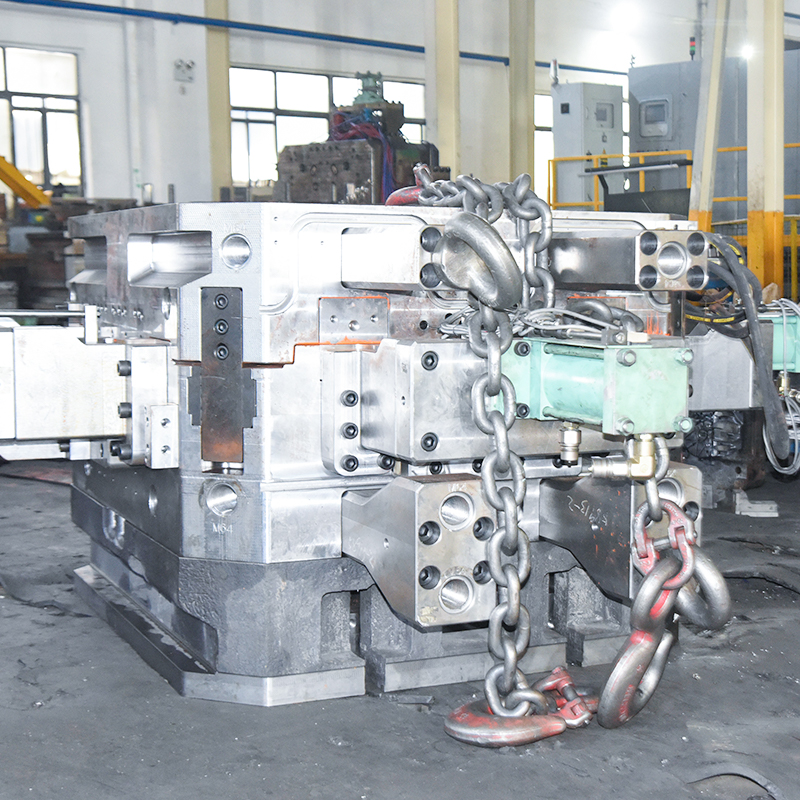
Die casting is a precision metal forming process in which molten metal is injected into a steel mold under high pressure. This process contributes to strength in several key ways:
- High-pressure injection ensures complete mold filling, reducing internal voids
- Rapid cooling refines the metal grain structure, increasing tensile strength
- Consistent wall thickness minimizes stress concentration points
As a result, engine system die castings exhibit excellent mechanical consistency, making them far stronger than components produced through less controlled manufacturing methods.
What Materials Improve Durability in Engine System Die Castings?
Material selection plays a vital role in determining the durability of engine system die castings. Aluminum alloys are among the most widely used materials due to their balance of strength, weight, and corrosion resistance.
| Material Type | Strength & Durability Benefits |
|---|---|
| Aluminum Alloys | Lightweight, excellent heat resistance, corrosion-resistant |
| Magnesium Alloys | High strength-to-weight ratio, vibration damping |
| Zinc Alloys | High dimensional accuracy, good fatigue resistance |
These materials are specifically engineered to withstand thermal cycling and mechanical loads, ensuring long service life even under demanding engine conditions.
How Do Die Castings Improve Fatigue Resistance?
Modern engines operate continuously over thousands of cycles, making fatigue resistance a critical factor. Engine system die castings are designed with optimized geometries that distribute stress evenly across the component.
Key contributors to fatigue resistance include:
- Uniform microstructure achieved through controlled cooling
- Integrated ribbing and reinforcement features molded directly into the part
- Reduced need for secondary machining, preserving material integrity
This combination significantly reduces the risk of fatigue cracks and structural degradation over time.
How Does Precision Die Casting Prevent Wear and Deformation?
Precision is essential for maintaining durability in engine components. Die casting enables the production of parts with tight dimensional tolerances, which helps prevent premature wear caused by misalignment or improper fit.
Benefits include:
- Accurate mating surfaces, reducing friction between components
- Stable dimensions under thermal expansion, maintaining performance consistency
- Smooth surface finishes, lowering wear on adjacent parts
These characteristics directly contribute to longer component life and reduced maintenance requirements.
How Do Engine System Die Castings Perform Under High Temperatures?
Heat resistance is a defining requirement for engine components. Engine system die castings are specifically designed to perform under elevated temperatures without losing structural integrity.
Their durability under heat comes from:
- Alloy compositions optimized for thermal stability
- Dense metal structures that resist warping
- Integrated cooling channels that improve heat dissipation
This thermal durability ensures reliable engine operation even in high-performance or heavy-duty applications.
How Does Die Casting Support Long-Term Engine Reliability?
By combining material strength, precise geometry, and advanced design features, engine system die castings help manufacturers achieve long-term reliability.
They reduce the likelihood of:
- Component failure due to mechanical fatigue
- Deformation caused by thermal stress
- Corrosion-related degradation
For OEMs and engine manufacturers, this reliability translates into fewer warranty claims, improved customer satisfaction, and stronger brand reputation.
FAQ – Engine System Die Castings Strength & Durability
Q1: Are die cast engine components stronger than machined parts?
Die cast components offer superior structural uniformity and consistency, often resulting in better fatigue resistance and durability compared to heavily machined parts.
Q2: Can engine system die castings handle extreme operating conditions?
Yes. They are designed to withstand high temperatures, pressure variations, and continuous mechanical stress.
Q3: Do die castings reduce engine maintenance requirements?
Absolutely. Their durability and precision reduce wear, misalignment, and failure risks, lowering maintenance needs.
Q4: Are lightweight die castings still durable?
Yes. Modern alloys and optimized designs allow die castings to be lightweight without sacrificing strength or durability.
References
- ASM International – Die Casting Alloys and Mechanical Properties
- SAE International – Materials for Engine Systems and Components
- NADCA – High Pressure Die Casting in Automotive Applications


 1 Building No.1 No.226. Tiantaishan Road, Daqi street. Beilun District, Ningbo City, Zhejiang Province, China
 +86-15967858563
