
 English
 Español
 Deutsch
 русский
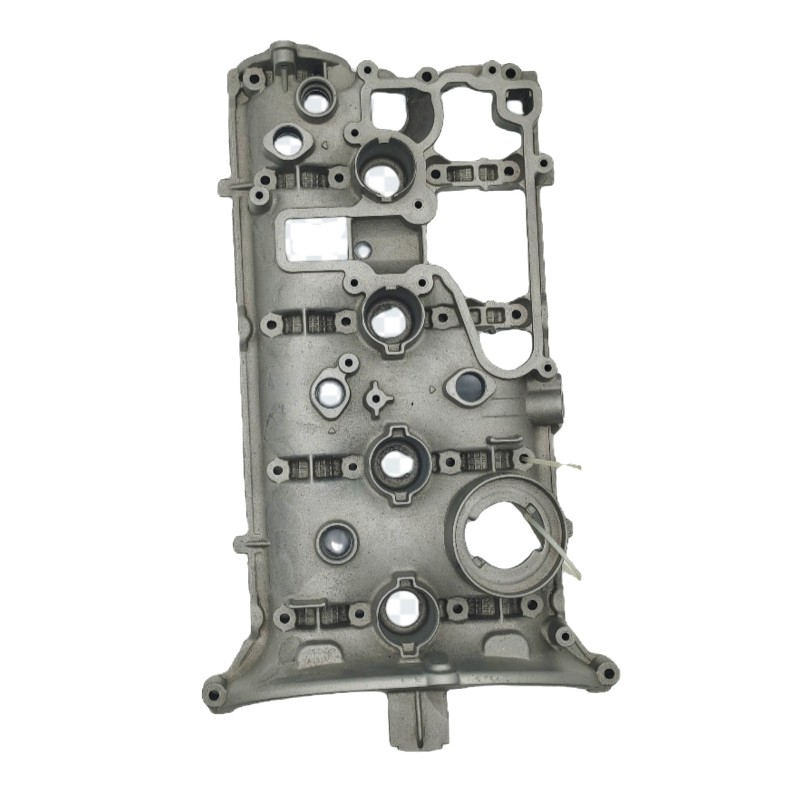
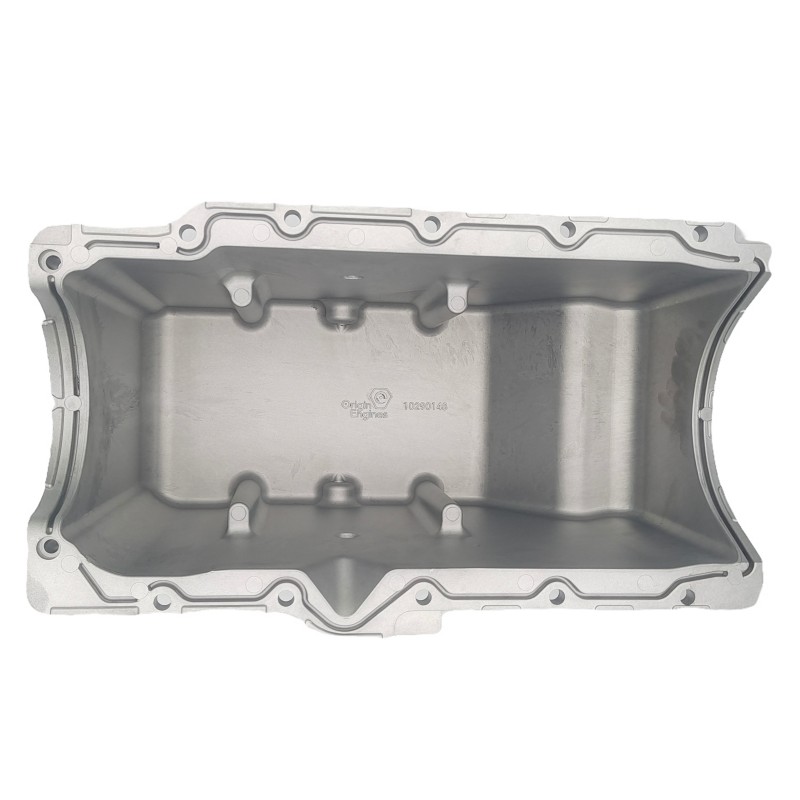
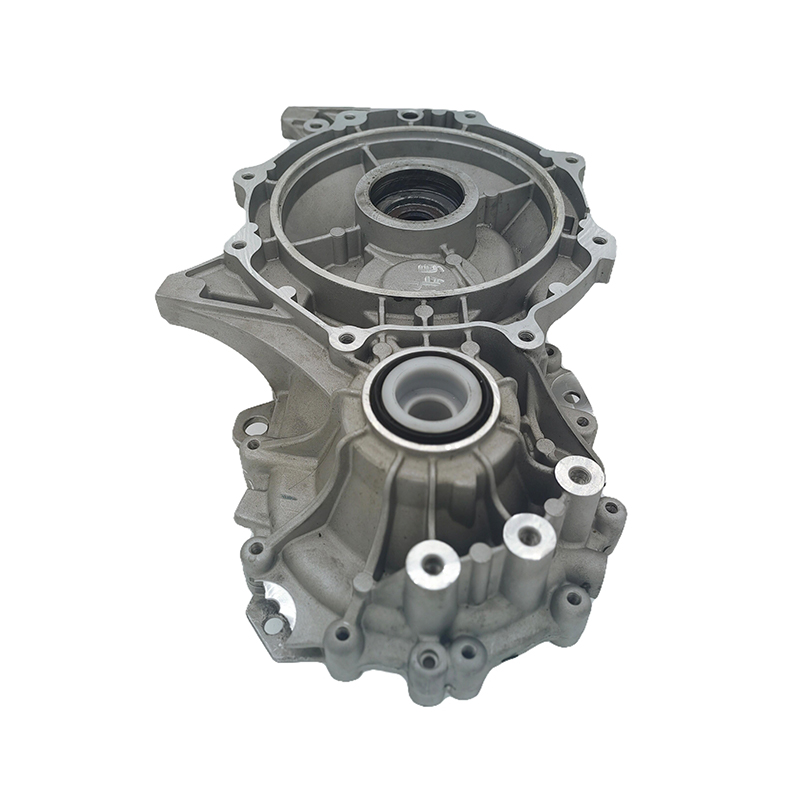
In the rapidly advancing manufacturing landscape of 2026, die casting technology remains the cornerstone for producing high-volume, dimensionally precise, and structurally sound non-ferrous metal components. As industries like electric vehicles (EV), 6G telecommunications, and aerospace demand lighter yet stronger parts, the engineering of the die casting mold (often referred to as a “die”) has reached new levels of complexity. A die casting mold is not merely a container for molten metal; it is a sophisticated heat exchanger and a precision instrument that must withstand extreme pressures and thermal shocks. In this professional guide, we will explore the critical anatomical components of modern molds, the strategic principles of high-pressure die casting design, and the various types of tooling used to achieve operational excellence in the modern foundry.
The Anatomical Core: Essential Die Casting Mold Components and Their Functions
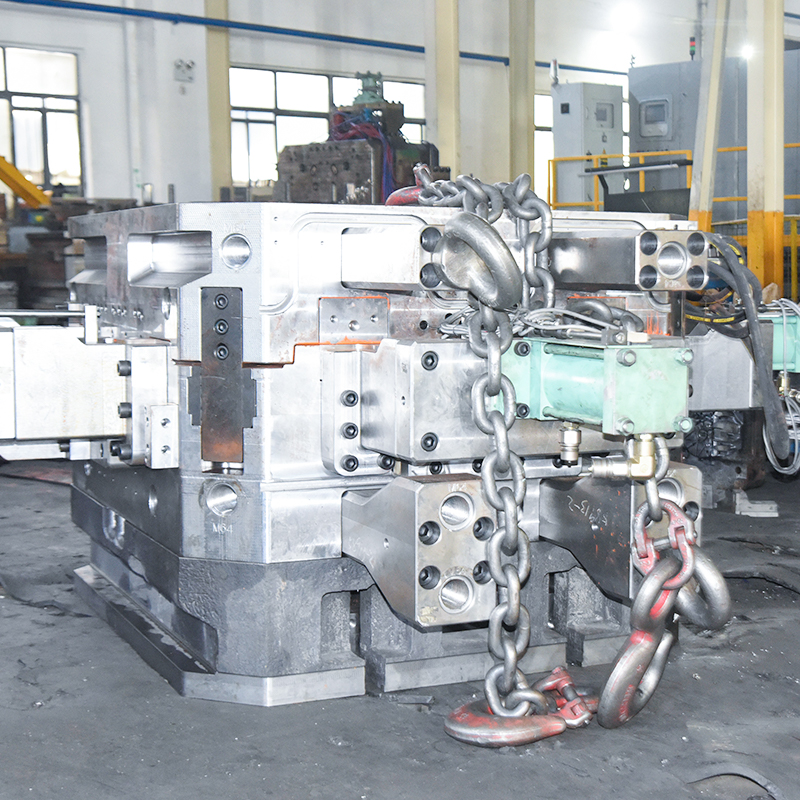
A professional die casting mold is a complex assembly of multiple precision-machined parts that must work in perfect synchronization under punishing conditions. In 2026, the industry has shifted toward using high-performance tool steels and integrated smart sensors to monitor the health of these components in real-time. The mold is generally divided into two main sections: the “Fixed Half” (Cover Die) and the “Movable Half” (Ejector Die).
The Die Base and Cavity Inserts: The Framework of Precision
The foundation of any mold is the Die Base, typically constructed from high-strength carbon steel. Its primary role is to provide a rigid framework that maintains perfect alignment between the two halves of the die during the high-pressure injection phase. Within this base lie the Cavity Inserts. These are the most critical “working” parts of the tool, as they directly define the external and internal geometry of the cast part. In 2026, premium H13 tool steel remains a standard, but many high-volume projects now utilize specialized alloys like Dievar or QRO 90 Supreme to combat thermal fatigue. These inserts undergo rigorous heat treatment processes to reach a hardness level (typically 44-48 HRC) that can resist the abrasive nature of molten aluminum and the repetitive thermal expansion and contraction known as “Heat Checking.”
The Ejection and Venting Systems: Ensuring Clean Part Removal
Once the molten metal has solidified, the part must be removed from the mold without any structural distortion. This is the responsibility of the Ejection System. Located in the movable half of the die, Ejector Pins are activated by the machine’s hydraulic system to push the casting out of the cavity. Strategic placement of these pins is vital; if they are placed incorrectly, they can cause “pin marks” on aesthetic surfaces or create internal stresses that lead to part failure.
Parallel to this is the Venting and Overflow System. As molten metal enters the mold at velocities exceeding 40 meters per second, it must displace the air inside the cavity. Vents allow this air to escape, while Overflows serve as small reservoirs that trap the initial “cold” metal and any oxides or impurities, ensuring that only pure, high-density metal forms the main body of the part. In 2026, vacuum-assisted venting has become a standard for “Aeronautical Grade” castings, virtually eliminating gas porosity.
Operational Excellence: Principles of Die Casting Mold Design for 2026
Designing a die casting mold for the year 2026 requires more than just geometric accuracy; it requires a deep understanding of fluid dynamics and thermal management. A mold that is poorly designed for manufacturing (DFM) will inevitably suffer from high scrap rates, frequent downtime, and a shortened tool life. Operational excellence is achieved when the gating, cooling, and mechanical features are optimized to work in harmony with the molten metal’s behavior.
Gating and Runner System Optimization
The Gating System is the intricate network of channels that guides the molten metal from the machine’s shot sleeve into the die cavity. This system consists of the sprue, the runners, and the gate itself. In 2026, engineers rely heavily on High-Fidelity Casting Simulation software (such as Magmasoft or AnyCasting) to design these channels. The goal is to maintain a “Laminar Flow” as much as possible, preventing the turbulence that introduces air into the metal stream. The Gate—the final entry point into the cavity—must be sized perfectly to ensure the part fills quickly enough to prevent “Cold Shuts” (where the metal begins to freeze before the mold is full) but not so quickly that it causes erosion on the die surface. Advanced runner designs now incorporate “De-gassing” features that further purify the metal before it reaches the critical sections of the mold.
Thermal Management: Conformal Cooling and Draft Angles
In the high-speed production environment of 2026, “Time is Money,” and the cooling phase of the casting cycle is the largest consumer of time. Thermal Management is therefore a top priority in mold design. Modern molds frequently utilize Conformal Cooling Channels. Unlike traditional straight-drilled holes, conformal channels are created using 3D-printed tool steel inserts that allow the cooling lines to follow the exact, complex contours of the part. This ensures uniform cooling, which drastically reduces “Sink Marks” in thick sections and can shorten cycle times by up to 30%.
Equally important are Draft Angles. To facilitate the smooth ejection of the part, all vertical surfaces must have a slight taper. In aluminum die casting, a draft angle of 1° to 2° is typically required. Insufficient draft leads to “Dragging,” where the part scrapes against the die wall, causing surface damage and putting excessive load on the ejection system. A well-designed mold balances these draft requirements with the part’s functional dimensions to ensure a reliable, repeatable production process.
Technical Comparison: Die Casting Processes and Tooling Requirements
The following table provides a technical comparison of the most common die casting processes used in 2026, highlighting their specific tooling needs and performance metrics.
| Feature | Hot Chamber Die Casting | Cold Chamber Die Casting | Vacuum-Assisted Casting |
|---|---|---|---|
| Compatible Metals | Zinc, Lead, Tin | Aluminum, Magnesium, Brass | High-Integrity Aluminum |
| Injection Pressure | 7 - 35 MPa | 14 - 140 MPa | 14 - 100 MPa |
| Tooling Lifespan | Very High (up to 1,000,000) | Moderate (100,000+) | Moderate (High Precision) |
| Porosity Levels | Low | Moderate | Minimum (Structural Grade) |
| Cycle Speed | Very Fast | Moderate | Moderate to Slow |
| Primary Use Case | Small, Complex Hardware | Engine Blocks, Gearboxes | EV Chassis, Structural Parts |
Frequently Asked Questions (FAQ)
What is “Heat Checking” and how can it be prevented?
Heat checking refers to the fine, spider-web-like cracks that appear on the die surface due to repeated thermal expansion and contraction. It can be minimized by using high-quality H13 or Dievar steel, maintaining proper pre-heating of the die, and utilizing advanced internal cooling systems to regulate temperature fluctuations.
Why is Aluminum Die Casting more common than Zinc in 2026?
While Zinc is easier to cast and has a longer tool life, Aluminum is the preferred material for the modern automotive and electronics sectors due to its superior strength-to-weight ratio and higher thermal conductivity, which are essential for EV battery housings and 5G/6G heat sinks.
Can die casting molds be repaired or refurbished?
Yes. In 2026, Laser Cladding technology allows for the precise repair of worn-out die inserts. By depositing new tool steel onto damaged areas, manufacturers can extend the life of an expensive mold by up to 50% without compromising the dimensional accuracy of the parts.
Technical References and Standards
- NADCA (North American Die Casting Association): Product Specification Standards for Die Castings (2025-2026 Edition).
- ASTM B85 / B85M: Standard Specification for Aluminum-Alloy Die Castings.
- ISO 1101: Geometrical Product Specifications (GPS) — Geometrical tolerancing.
- VDI 2859: Technical delivery conditions for castings made from non-ferrous metallic materials.


 1 Building No.1 No.226. Tiantaishan Road, Daqi street. Beilun District, Ningbo City, Zhejiang Province, China
 +86-15967858563
