
 English
 Español
 Deutsch
 русский
Introduction to Die Cast Aluminum in Lighting Applications
Die cast aluminum has become a leading material for modern lighting applications due to its combination of strength, lightweight properties, and excellent thermal conductivity. In LED fixtures, street lights, industrial luminaires, and architectural lighting, die cast aluminum not only provides structural support but also enhances performance by facilitating efficient heat dissipation. Unlike plastic or traditional metals, die cast aluminum allows manufacturers to produce durable, lightweight, and aesthetically pleasing components while keeping production costs manageable.
The process of die casting allows for high precision and repeatability, enabling manufacturers to design complex shapes such as heat sink fins, mounting brackets, and decorative profiles without additional machining. This feature is particularly important in the competitive LED lighting market, where both functionality and visual appeal are critical. Furthermore, die cast aluminum is compatible with various surface finishes, including powder coating and anodizing, providing additional protection against corrosion and improving product longevity.
Using die cast aluminum in lighting applications also contributes to sustainability, as the material is fully recyclable and can reduce energy consumption during production due to its lightweight nature. Manufacturers can leverage this combination of technical and environmental advantages to develop premium products that satisfy both regulatory standards and consumer expectations.
Thermal Conductivity and Heat Management
Effective Heat Dissipation for LED Fixtures
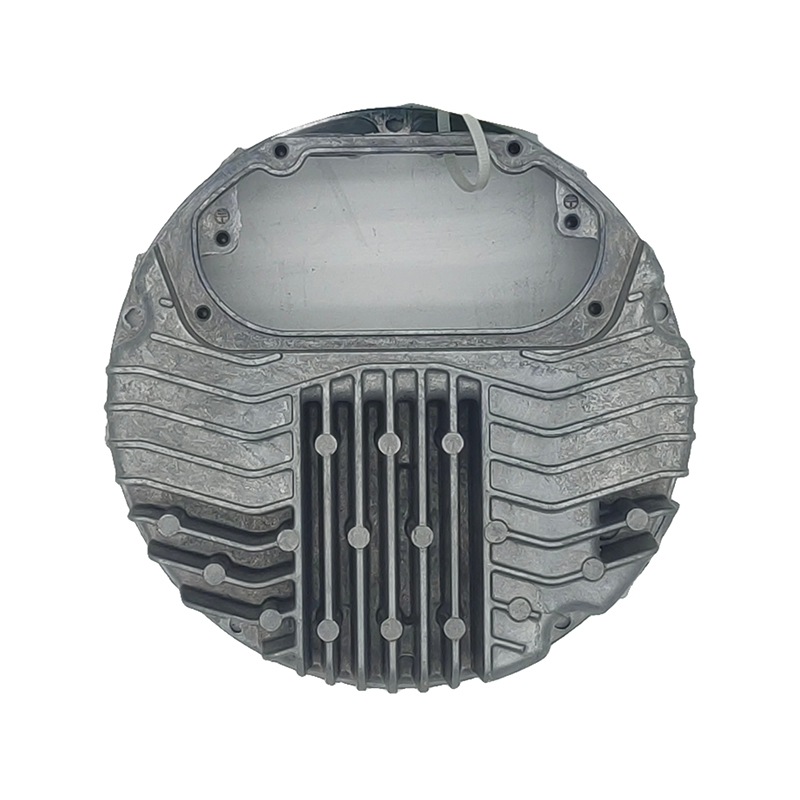
One of the most significant advantages of die cast aluminum in lighting applications is its superior thermal conductivity. LEDs generate heat during operation, and excessive heat can reduce lifespan, alter color performance, or even cause fixture failure. Die cast aluminum acts as an efficient heat sink, transferring heat away from LED chips and maintaining optimal operating temperatures.
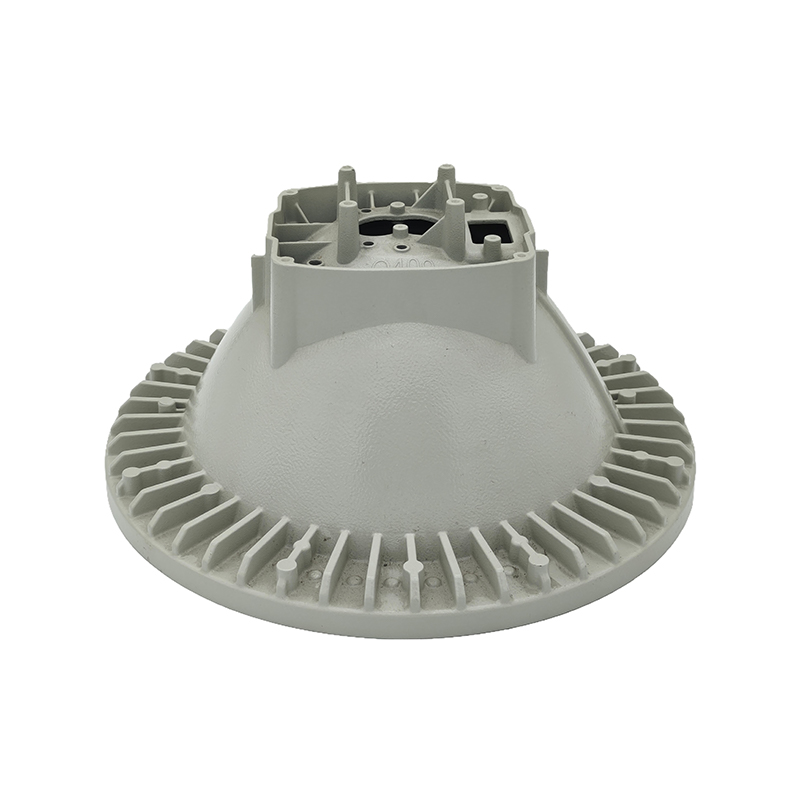
For example, street lighting and high-power industrial LED fixtures often require rapid heat dissipation to maintain performance under continuous operation. By integrating die cast aluminum into the fixture design, manufacturers can improve the reliability of the LEDs, ensure consistent light output, and prevent early failures. Compared to plastics or lower conductivity metals, aluminum offers the ideal balance of light weight and high thermal performance.
Benefits in Long-Term Performance
Efficient heat management not only prolongs the lifespan of LEDs but also supports higher lumen outputs, allowing fixtures to achieve superior brightness without compromising safety or durability. In addition, die cast aluminum allows for the integration of complex heat sink geometries directly into the casting mold, reducing the need for additional components and simplifying assembly processes. This capability provides manufacturers with cost and time savings while improving overall fixture performance.
Durability and Mechanical Strength
Lightweight Yet Strong Components
Die cast aluminum combines excellent structural strength with a lightweight profile, which is essential for large or intricate lighting fixtures. Street lights, outdoor luminaires, and industrial fixtures benefit from a strong material that can withstand environmental stresses such as wind, vibrations, or accidental impacts, while remaining lightweight enough for easy installation and maintenance.
This material strength ensures that fixtures maintain their shape and alignment over years of service, even in harsh conditions. Additionally, die cast aluminum resists warping and deformation, maintaining the fixture’s aesthetic integrity and functional stability. Lightweight construction also reduces shipping and handling costs, which is an important consideration for manufacturers distributing products globally.
Corrosion Resistance
Die cast aluminum naturally resists corrosion, making it suitable for outdoor and industrial lighting applications. When combined with surface treatments such as anodizing or powder coating, it provides long-term protection against moisture, UV radiation, and chemical exposure. Corrosion-resistant properties reduce maintenance frequency, increase lifespan, and prevent aesthetic degradation, ensuring that lighting products continue to perform reliably in all environments.
Design Flexibility and Precision
Complex Shapes and High-Precision Molding
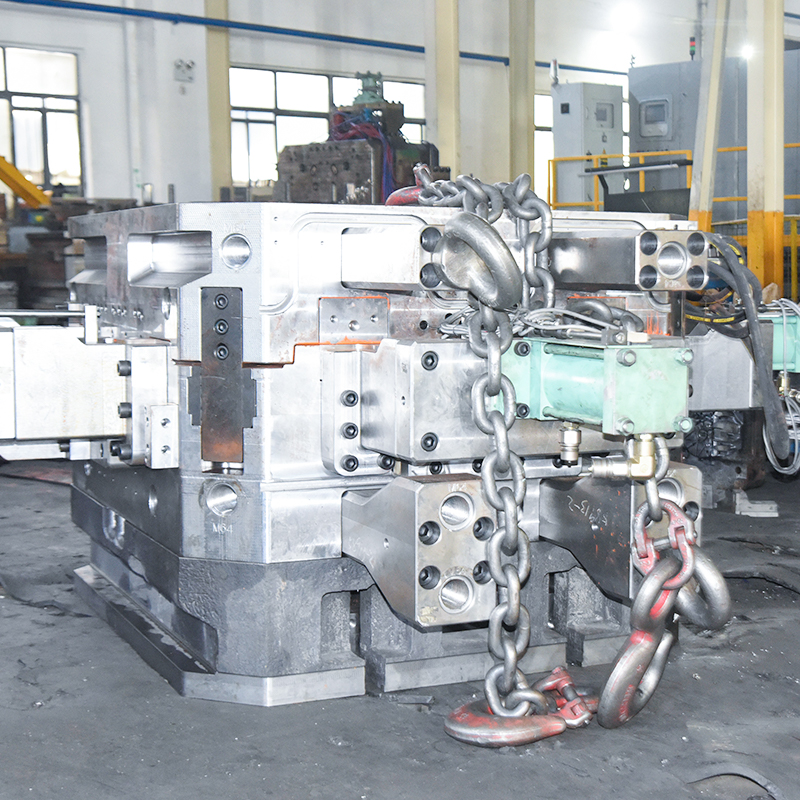
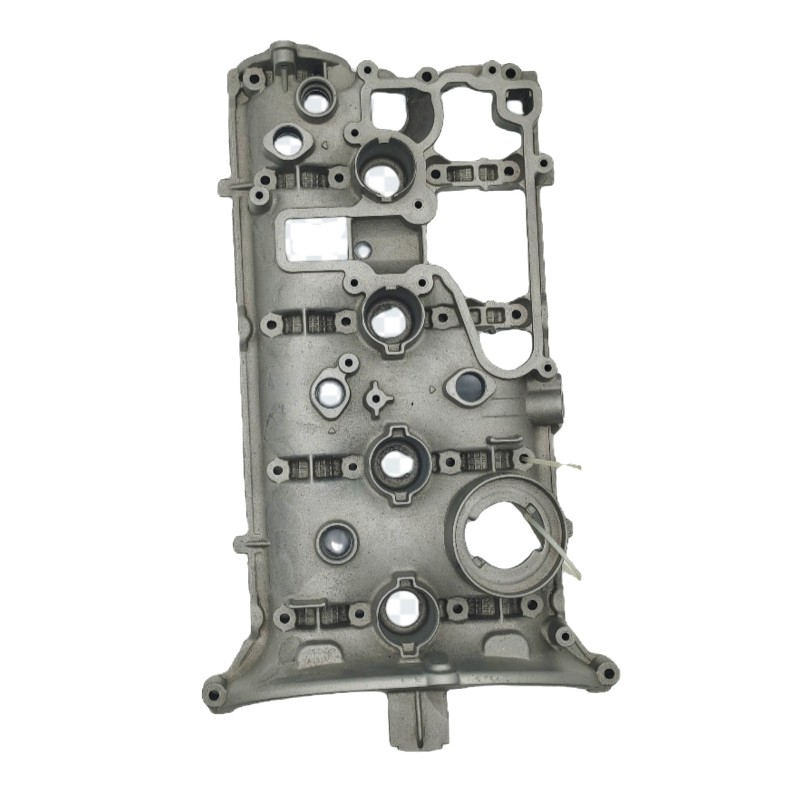
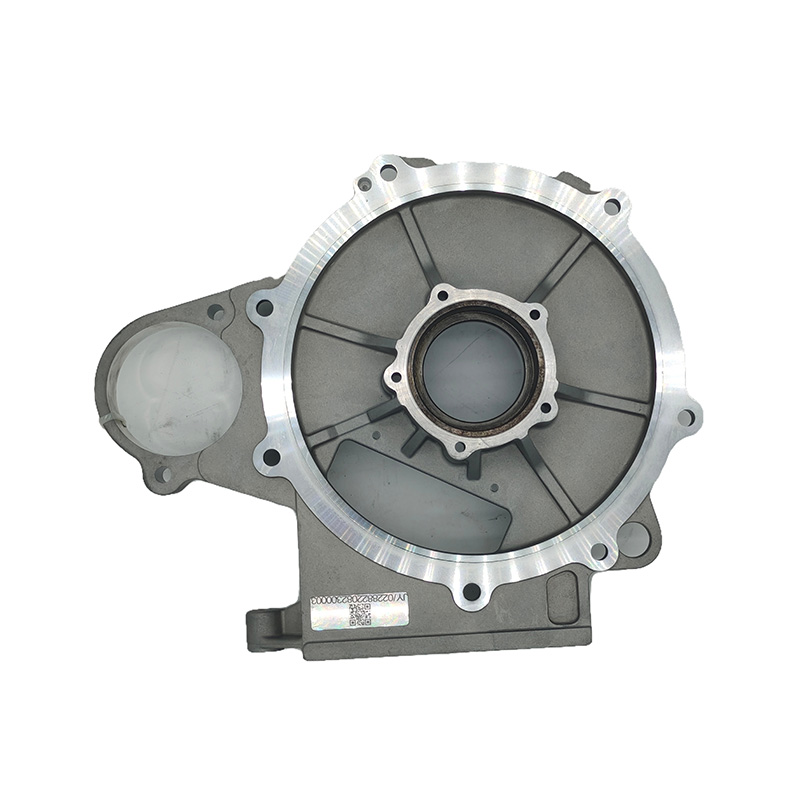
Die casting technology allows for high-precision molding, enabling manufacturers to produce complex shapes that incorporate functional and aesthetic elements into a single piece. Heat sink fins, decorative profiles, mounting brackets, and ventilation channels can be integrated directly into the casting mold, reducing the need for secondary machining or assembly.
This design flexibility helps manufacturers optimize airflow, enhance heat dissipation, and create visually appealing lighting fixtures. In addition, die cast aluminum supports various finishing techniques, including powder coating, anodizing, and painting, which improve corrosion resistance, color uniformity, and overall product quality.
Comparison of Materials for Lighting Applications
| Material | Weight | Thermal Conductivity | Durability | Common Applications |
|---|---|---|---|---|
| Die Cast Aluminum | Lightweight | High | High | LED Fixtures, Street Lights, Industrial Luminaires, Architectural Lighting |
| Plastic | Light | Low | Medium | Decorative Indoor Lamps, Low-Power Fixtures |
| Steel | Heavy | Medium | High | Industrial Fixtures, Outdoor Lighting |
FAQ About Die Cast Aluminum in Lighting
Q1: Why is die cast aluminum preferred for LED lighting?
A: Its excellent thermal conductivity efficiently dissipates heat, prolonging LED lifespan and maintaining consistent performance.
Q2: Can die cast aluminum be used in outdoor environments?
A: Yes, with anodizing or powder coating, die cast aluminum withstands moisture, UV exposure, and harsh weather conditions.
Q3: How does die casting improve product design?
A: Die casting allows high-precision molds with complex shapes, integrating heat sinks, decorative elements, and mounting features in one piece.
Q4: Is die cast aluminum cost-effective?
A: Despite higher mold costs, it reduces assembly needs, increases fixture lifespan, and improves performance, making it cost-effective long-term.
Q5: What lighting applications commonly use die cast aluminum?
A: LED street lights, industrial luminaires, architectural fixtures, decorative outdoor lights, and high-power LED modules often use die cast aluminum components.
References
- Smith, J. (2022). Die Cast Aluminum for LED Lighting Applications. Industrial Press.
- Johnson, L. (2021). Advanced Thermal Management in Die Cast Fixtures. Lighting Engineering Journal, 18(3), 45-62.
- Die Casting Manufacturers Association. (2020). Best Practices in Aluminum Die Casting for Lighting. DCMA Technical Bulletin.


 1 Building No.1 No.226. Tiantaishan Road, Daqi street. Beilun District, Ningbo City, Zhejiang Province, China
 +86-15967858563
