
 English
 Español
 Deutsch
 русский
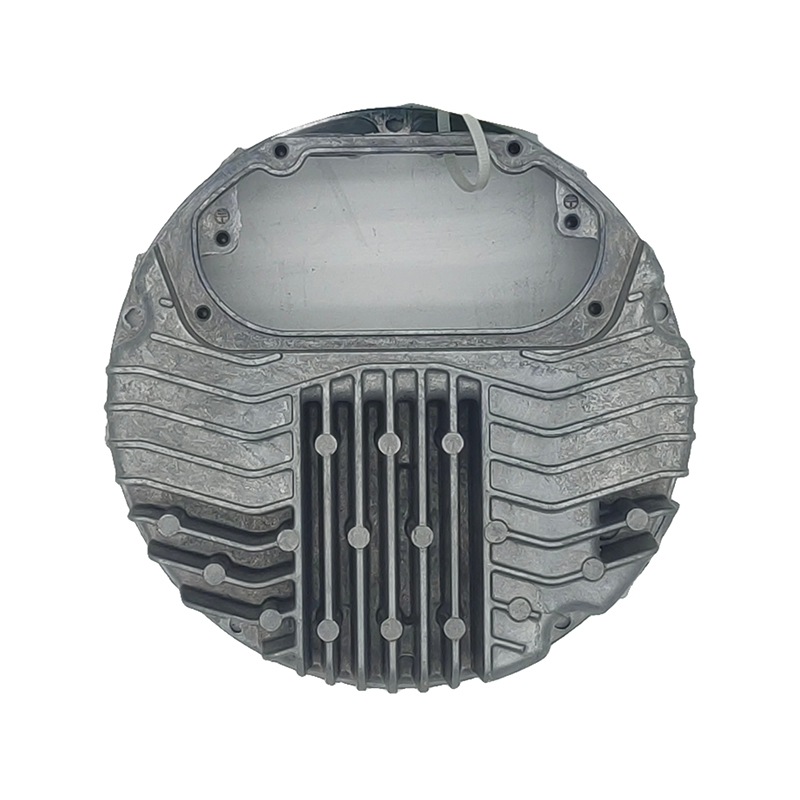
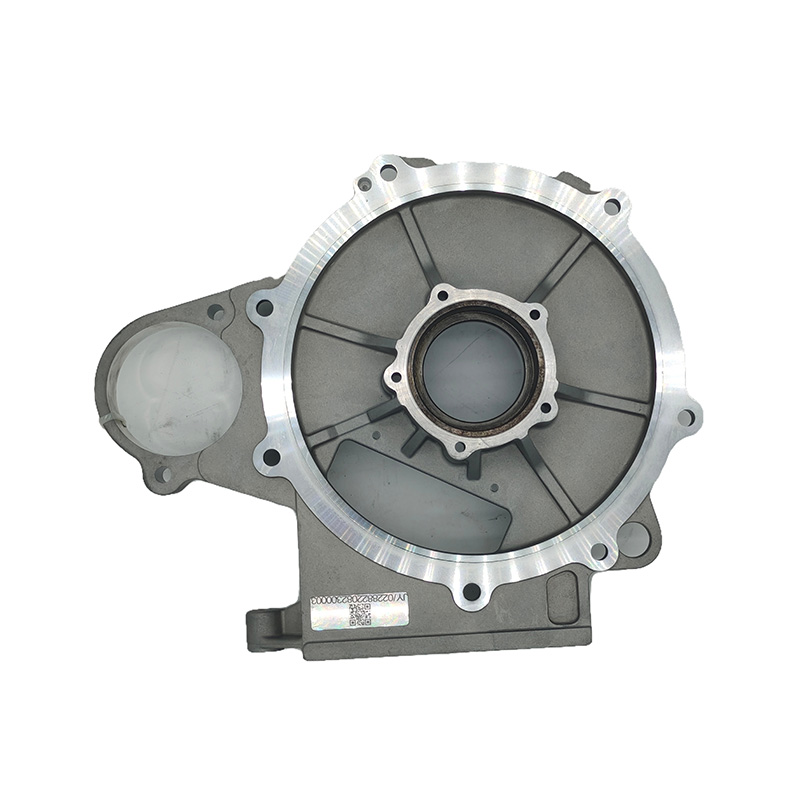
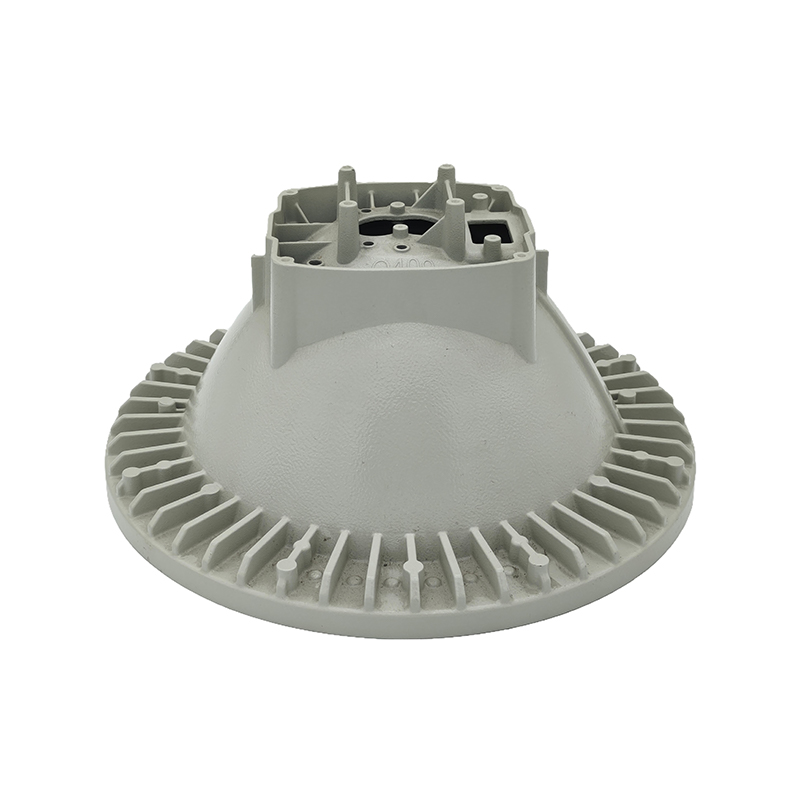
Die Castings Are Precision Metal Parts Produced by Forcing Molten Metal Into Reusable Steel Molds Under High Pressure
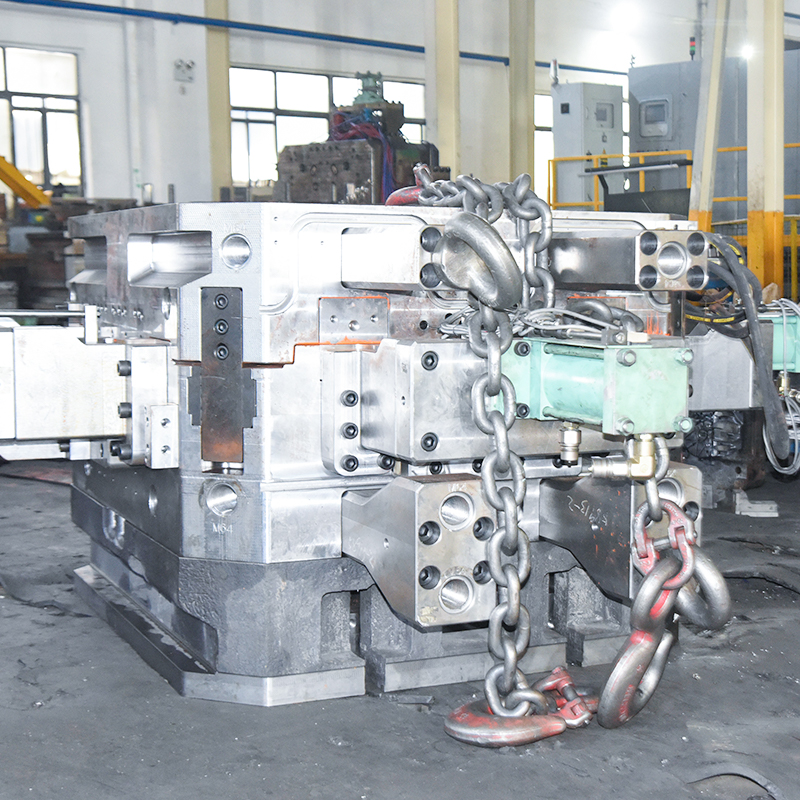
Die castings are metal components manufactured by injecting molten metal — most commonly aluminum, zinc, or magnesium — into a hardened steel mold cavity (called a "die") under pressures ranging from 1,500 to 25,000 psi. The metal solidifies rapidly, and the die opens to eject a near-net-shape part that requires minimal post-processing. This process is preferred over sand casting, investment casting, and forging in high-volume applications because it delivers tighter dimensional tolerances (±0.1 mm or better), superior surface finish (Ra 1.6–3.2 µm), and cycle times as short as 15–60 seconds per part — all from a single reusable tool that can produce hundreds of thousands of shots.
How Die Castings Are Made: The Core Process Explained
Understanding why die castings outperform other methods starts with understanding how they are made. The process follows a precise, repeatable sequence:
- Die preparation: The two halves of the steel die are closed and clamped under high tonnage (typically 100–4,000 tons depending on part size)
- Injection: Molten metal is forced into the die cavity at high velocity (10–50 m/s) and pressure, filling even thin sections and complex geometries
- Solidification: The metal cools and solidifies within seconds due to the die acting as a heat sink
- Ejection: The die opens and ejector pins push the solidified casting out
- Trimming: Excess metal (flash, runners, overflow wells) is removed by trimming dies or CNC machining
Two major variants exist: hot-chamber die casting (used for zinc, magnesium, and low-melting alloys where the injection system is submerged in molten metal) and cold-chamber die casting (used for aluminum and copper alloys where metal is ladled into a separate shot sleeve before injection).
Die Castings vs. Other Metal Forming Methods: A Direct Comparison
Die castings compete directly with sand casting, investment casting, forging, and machining from billet. Each method has strengths, but die castings lead on the combination of speed, volume, and geometric complexity.
| Method | Dimensional Tolerance | Surface Finish (Ra) | Typical Cycle Time | Tooling Cost | Best Volume Range |
|---|---|---|---|---|---|
| Die Casting | ±0.05–0.15 mm | 1.6–3.2 µm | 15–60 sec | $10,000–$100,000+ | 10,000–1,000,000+ |
| Sand Casting | ±0.5–1.5 mm | 6.3–25 µm | Minutes to hours | $500–$10,000 | 1–10,000 |
| Investment Casting | ±0.1–0.3 mm | 1.6–3.2 µm | Days (per batch) | $1,000–$20,000 | 100–50,000 |
| Forging | ±0.3–1.0 mm | 3.2–12.5 µm | 10–60 sec | $20,000–$500,000 | 5,000–500,000 |
| CNC from Billet | ±0.01–0.05 mm | 0.4–1.6 µm | Minutes to hours | Low (no tooling) | 1–5,000 |
Five Reasons Die Castings Are Preferred in High-Volume Manufacturing
1. Near-Net-Shape Output Reduces Machining Cost
Die castings emerge from the die with walls, bosses, holes, threads, and logos already formed. A sand casting of the same aluminum automotive bracket might require 4–6 CNC operations to reach final dimensions; the die cast equivalent may need only 1–2 light finishing passes. This directly reduces per-part cost at volume.
2. Exceptional Dimensional Consistency Across Large Production Runs
Because the die is a rigid steel tool, every part produced is dimensionally identical within tight statistical limits. A well-controlled aluminum die casting process routinely achieves Cpk values above 1.67 on critical dimensions — a benchmark that sand and investment casting struggle to meet without secondary machining.
3. High Throughput With Low Per-Part Labor
A single die casting cell running automated ladling, spraying, and part extraction can produce 200–400 aluminum castings per hour. Competing processes like investment casting require multi-day shell-building cycles and are limited to small batch sizes per furnace load.
4. Thin Walls and Complex Geometry Achievable in a Single Shot
High injection velocity and pressure allow molten metal to fill wall sections as thin as 0.5 mm in zinc and 0.8–1.2 mm in aluminum — geometries that are impossible to achieve in sand casting and impractical in forging. Internal features like undercuts, side holes, and integrated brackets can be formed using moving cores within the die.
5. Material Efficiency and Recyclability
Runners, overflows, and trimmed flash are fully recyclable back into the melt. Material utilization rates of 85–95% are common in optimized die casting operations, compared to 50–70% in machining from billet where significant metal becomes chips.
Industries and Applications Where Die Castings Dominate
Die castings are the manufacturing method of choice across industries where light weight, precision, and volume intersect:
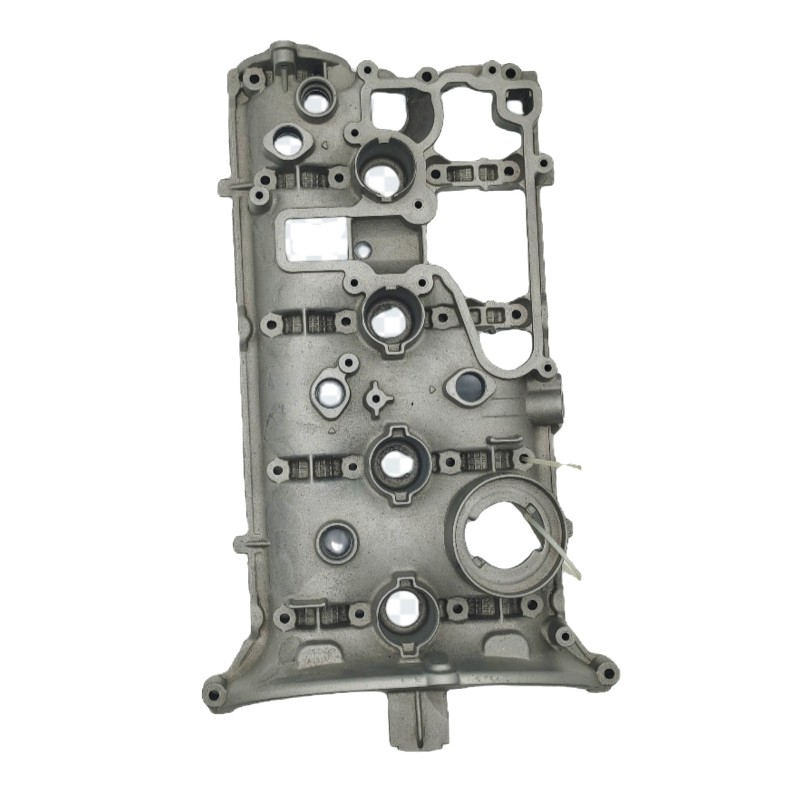
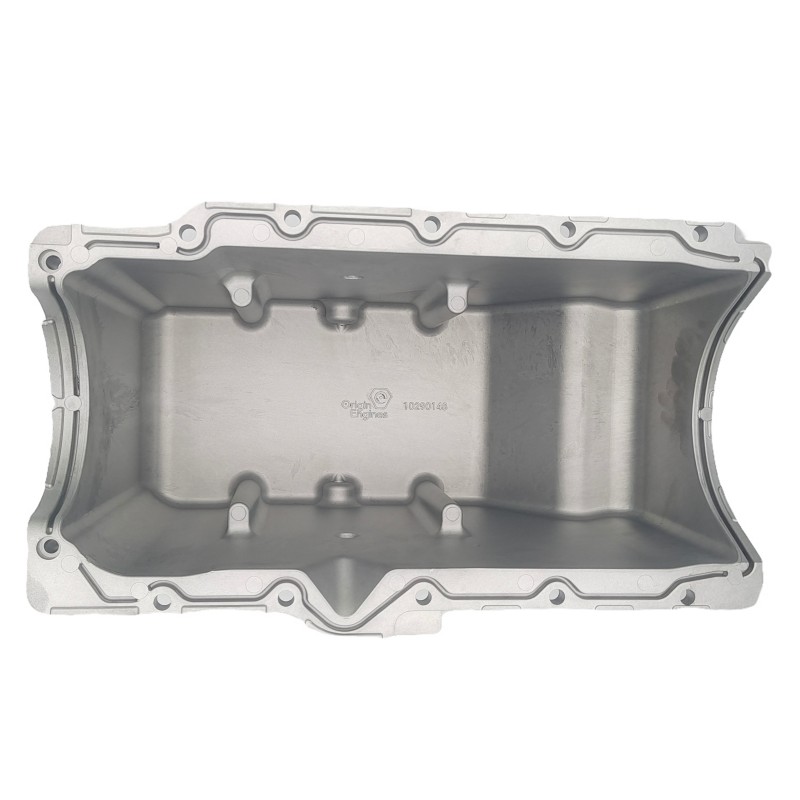
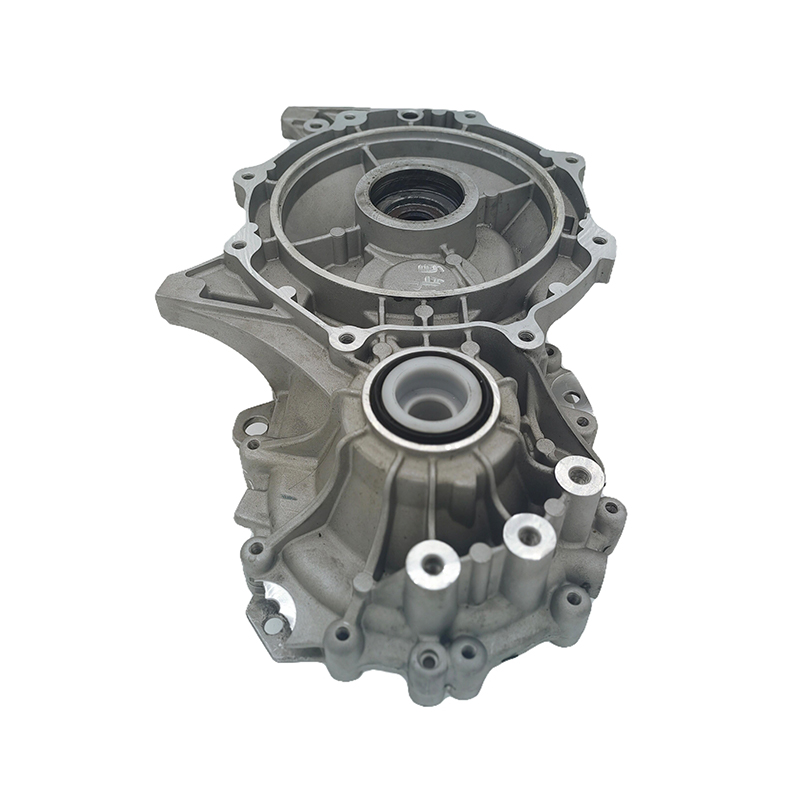
- Automotive: Engine blocks, transmission housings, oil pans, steering knuckles, EV battery enclosures — aluminum die castings account for over 50% of all automotive casting volume globally
- Consumer electronics: Laptop frames, smartphone structural components, heat sinks — magnesium and aluminum die castings deliver the thin-wall rigidity these products require
- Industrial equipment: Gearbox housings, pump bodies, valve blocks — zinc die castings offer near-zero machining allowance on mating surfaces
- Aerospace (non-structural): Brackets, housings, connector bodies where weight reduction and EMI shielding matter
- Lighting and hardware: LED housings, door hardware, lock bodies — zinc die castings deliver decorative surface quality directly off the tool
Where Die Castings Are Not the Right Choice
Die castings are not universally superior. There are clear scenarios where other methods win:
- Low volumes (<5,000 parts): High tooling cost ($20,000–$150,000 for a production die) cannot be amortized; sand casting or CNC is more economical
- High-strength structural parts: Die castings contain porosity from trapped gas, limiting fatigue strength; forged parts have 20–40% higher tensile and fatigue strength for safety-critical applications
- Very large parts: Die casting machines above 4,000-ton clamp force are rare and expensive; large structural components are better suited to sand or permanent mold casting
- High-temperature alloys (steel, titanium): Die casting is limited to non-ferrous metals; steel and titanium components require forging, investment casting, or additive manufacturing
The decision to use die castings is most justified when annual volumes exceed 10,000 units, parts require consistent tight tolerances, and geometry complexity makes machining from billet prohibitively expensive. When those three conditions align, no other metal forming method matches the cost-per-part economics of die casting at scale.


 1 Building No.1 No.226. Tiantaishan Road, Daqi street. Beilun District, Ningbo City, Zhejiang Province, China
 +86-15967858563
