
 English
 Español
 Deutsch
 русский
The Die Casting Process Moves Molten Metal Through Seven Distinct Stages to Deliver a Finished, Dimensionally Accurate Metal Part
Die casting is not a single action — it is a tightly sequenced manufacturing cycle where molten metal is transformed into a precision component in as little as 15 to 90 seconds. From the moment metal is melted to the point a finished part exits the trimming press, every stage is controlled by temperature, pressure, timing, and tooling geometry. The process begins at the furnace and ends at inspection, with each intermediate step directly determining whether the final casting meets dimensional, structural, and surface quality requirements.
Stage 1 — Metal Melting and Holding: Establishing the Right Melt Condition
The process starts in the melting and holding furnace, where ingots or recycled returns are brought to a precise working temperature. Each alloy has a defined processing window:
- Aluminum (A380): 620–700°C (1,148–1,292°F)
- Zinc (Zamak 3): 400–425°C (752–797°F)
- Magnesium (AZ91D): 640–680°C (1,184–1,256°F)
Holding temperature consistency is critical. A ±10°C variation in melt temperature changes viscosity, fill behavior, and shrinkage rate — directly impacting dimensional repeatability. Flux treatments and degassing (using nitrogen or argon purging) are applied at this stage to reduce hydrogen porosity, which is the leading internal defect in aluminum die castings.
Stage 2 — Die Preparation: Closing, Clamping, and Lubrication
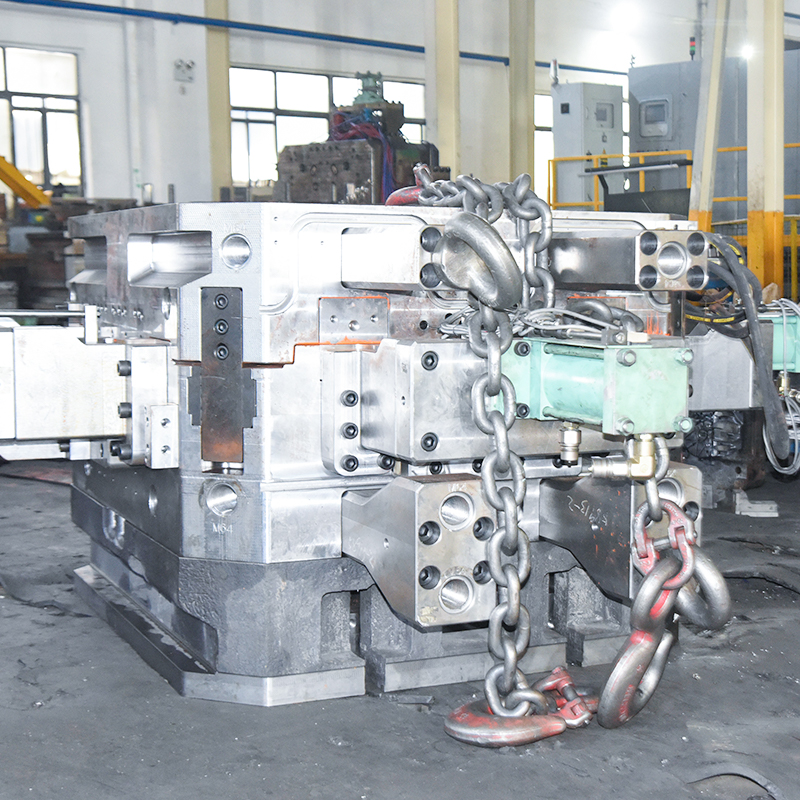
Before any metal enters the machine, the die must be prepared. The two die halves — the fixed cover die and the movable ejector die — are brought together and locked under hydraulic clamp force. Clamp force is calculated to exceed the separating force generated by injection pressure acting on the projected area of the cavity, typically following:
Clamp Force (tons) = Cavity Projected Area (in²) × Injection Pressure (psi) ÷ 2,000
For a typical aluminum part with 50 in² projected area at 10,000 psi injection pressure, this yields a minimum clamp force of 250 tons. Undersized machines flash the parting line; oversized machines add unnecessary energy cost.
Die Spray and Lubrication
After each shot, automated spray systems apply a water-based die release lubricant to all cavity surfaces. This serves three functions: it prevents soldering (metal sticking to the die steel), controls die surface temperature, and aids part ejection. Spray time typically adds 3–8 seconds per cycle and must be optimized — over-spraying causes steam porosity and surface defects; under-spraying accelerates die soldering and wear.
Stage 3 — Metal Transfer: Hot Chamber vs. Cold Chamber Injection
How molten metal reaches the die cavity depends on which of the two die casting process types is being used. This is the most fundamental process division in die casting.
| Feature | Hot Chamber | Cold Chamber |
|---|---|---|
| Injection system location | Submerged in molten metal | Separate from furnace |
| Suitable alloys | Zinc, magnesium, lead, tin | Aluminum, copper, brass |
| Cycle time | Faster (15–40 sec) | Slower (30–90 sec) |
| Injection pressure | 1,500–5,000 psi | 5,000–25,000 psi |
| Metal transfer method | Gooseneck pump, automatic | Manual or auto ladle into shot sleeve |
| Air entrapment risk | Lower | Higher (ladling introduces air) |
In cold chamber machines, a measured volume of molten aluminum is ladled into the shot sleeve — a horizontal steel cylinder connected to the die. The injection plunger then advances to push the metal into the cavity. The slow shot phase (plunger speed 0.1–0.5 m/s) fills the shot sleeve smoothly to minimize air entrainment before switching to fast shot (2–5 m/s) to fill the cavity rapidly.
Stage 4 — Injection and Cavity Fill: The Most Critical Phase
Cavity fill is where part quality is largely determined. The plunger accelerates to high velocity, driving molten metal through the runner system, past the gate, and into the cavity. This entire fill event typically takes 10 to 80 milliseconds — faster than a camera shutter.
Three-Phase Injection Profile
- Phase 1 — Slow shot: Plunger advances slowly (0.1–0.5 m/s) to push metal to the gate without trapping air in the shot sleeve
- Phase 2 — Fast shot: Plunger accelerates to 2–5 m/s; metal enters the cavity at gate velocities of 30–60 m/s, filling in milliseconds and preventing premature solidification
- Phase 3 — Intensification: After the cavity fills, a secondary hydraulic intensifier multiplies pressure to 10,000–25,000 psi to compress any residual porosity and feed shrinkage as the metal solidifies
Gate velocity is one of the most tightly controlled parameters in die casting. Aluminum gates are typically sized to achieve 30–50 m/s gate velocity; below 25 m/s risks cold shuts and misruns; above 60 m/s causes erosive die wear and surface turbulence defects.
Stage 5 — Solidification and Cooling: Speed and Uniformity Matter
Once the cavity is filled and intensification pressure is applied, the metal begins to solidify against the water-cooled die walls. The die steel conducts heat away from the casting at a rate that determines both cycle time and microstructure.
Cooling time typically accounts for 40–60% of total cycle time. A 2 mm wall aluminum casting may require only 3–5 seconds of cooling; a 6 mm section may need 15–25 seconds. Die casting engineers use internal water cooling lines (baffles, bubblers, and fountains) positioned as close as 8–12 mm from the cavity surface to maximize heat extraction.
Thermal Balance and Its Effect on Part Quality
A thermally imbalanced die — where one section runs hotter than another — produces warped parts, inconsistent shrinkage, and increased porosity in hot zones. Ideal die face temperature for aluminum die casting is 180–250°C, maintained uniformly across the cavity surface. Thermocouples embedded in the die and infrared thermal cameras are used in production to monitor and correct thermal drift.
Stage 6 — Ejection: Removing the Part Without Damage
When the casting has solidified sufficiently to hold its shape under ejection forces, the movable die half retracts and the ejector plate advances, pushing hardened steel ejector pins into the casting surface to release it from the die. Ejector pin placement is a critical design decision:
- Pins must contact robust, non-cosmetic surfaces — bosses, ribs, or the runner system — to avoid leaving witness marks on visible faces
- Ejection force is distributed across multiple pins to prevent localized deformation of thin sections still slightly above solidus temperature
- Draft angles of 1–3° on aluminum, 0.5–1° on zinc are built into vertical walls to allow the casting to release cleanly without galling or tearing
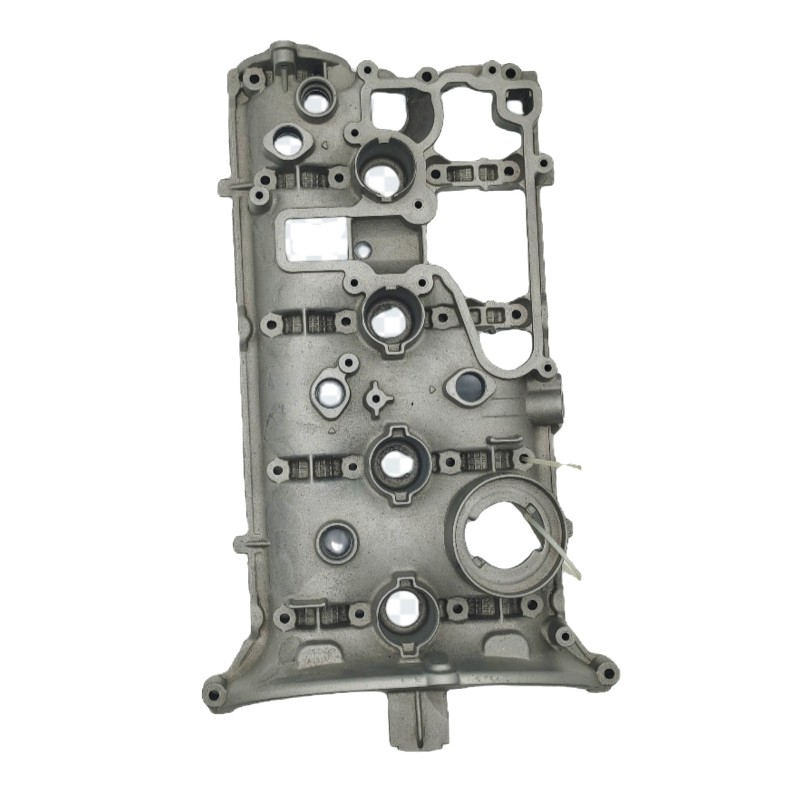
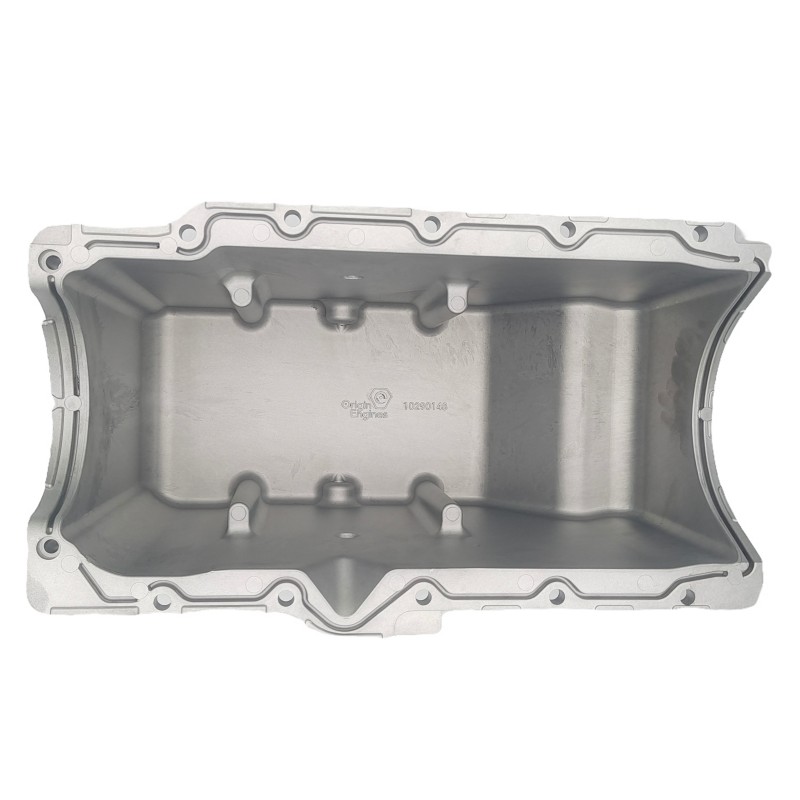
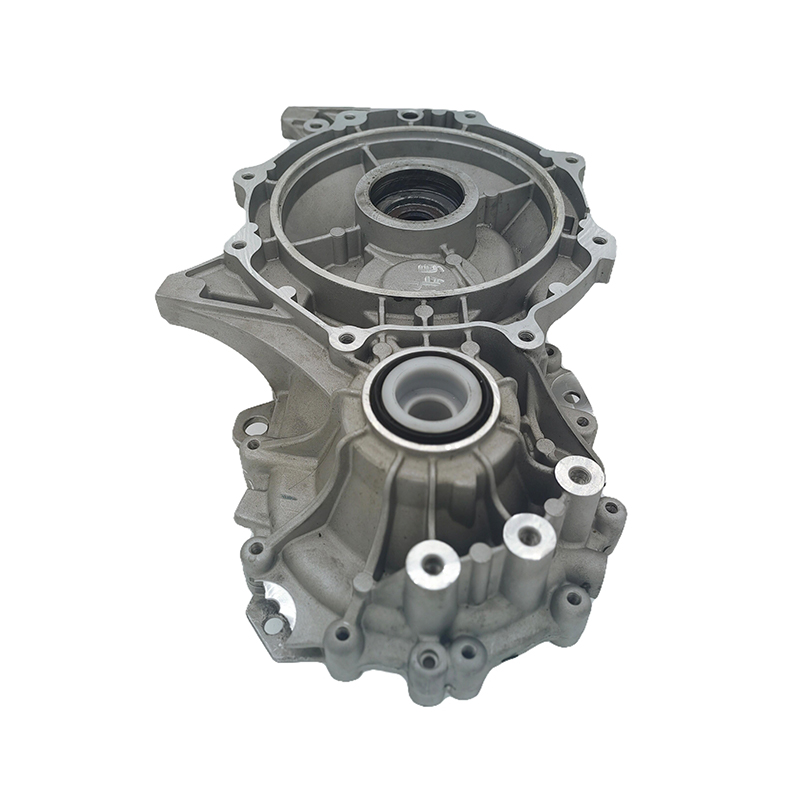
The ejected casting — called a "shot" — still includes the runner system, biscuit (the solidified metal disc from the shot sleeve), and overflow wells. This complete shot may weigh 20–40% more than the finished part alone.
Stage 7 — Trimming, Finishing, and Inspection: Converting the Shot Into a Finished Part
The ejected shot moves to post-processing operations that transform the raw casting into a usable component.
Trimming
A dedicated trimming die — a steel press tool matching the casting geometry — shears off the runner, biscuit, overflows, and any flash in a single press stroke. Trimming typically takes 2–5 seconds and is often integrated inline with the casting cell. Trimmed returns are conveyed directly back to the melting furnace for recycling.
Secondary Machining
Die castings often require CNC drilling, tapping, boring, or milling on mating faces and hole features. Because the casting is near-net-shape, stock removal is typically 0.3–0.8 mm per surface — far less than sand castings which may need 2–4 mm of cleanup stock.
Surface Treatment
Depending on the application, die castings receive one or more surface treatments:
- Shot blasting: Cleans surface scale and improves coating adhesion
- Anodizing (aluminum): Builds a hard oxide layer 5–25 µm thick for corrosion and wear resistance
- Powder coating or liquid paint: Applied over chromate or zinc phosphate conversion coatings for color and outdoor protection
- Electroplating (zinc castings): Chrome or nickel plating for decorative hardware applications
Inspection and Quality Verification
Final inspection validates that the casting meets all drawing requirements before shipment:
- CMM (Coordinate Measuring Machine): Verifies critical dimensions to ±0.01 mm accuracy on first-article and periodic production samples
- X-ray / CT scanning: Detects internal porosity, shrinkage voids, and cold shuts invisible to surface inspection — mandatory for pressure-tight or structural castings
- Pressure testing: Hydraulic or pneumatic leak tests at 2–10 bar for castings used in fluid systems
- Visual and tactile inspection: Surface finish, flash presence, ejector pin witness marks, and cosmetic acceptance per agreed standards
Complete Cycle Time Breakdown for a Typical Aluminum Die Casting
| Process Stage | Typical Duration | % of Total Cycle |
|---|---|---|
| Die close and clamp | 2–4 sec | 5–8% |
| Metal ladling / transfer | 2–5 sec | 5–10% |
| Slow shot + fast shot fill | 0.5–2 sec | 1–4% |
| Intensification and hold | 1–3 sec | 3–6% |
| Cooling / solidification | 5–25 sec | 40–60% |
| Die open and ejection | 2–4 sec | 5–8% |
| Die spray and lubrication | 3–8 sec | 10–20% |
| Total cycle time | 30–60 sec (typical) | 100% |
Cooling time dominates the cycle, which is why die cooling circuit design is the primary lever for reducing cycle time and increasing machine output rate. Reducing cooling time by just 5 seconds on a 45-second cycle increases throughput by over 12% — with no additional capital investment.


 1 Building No.1 No.226. Tiantaishan Road, Daqi street. Beilun District, Ningbo City, Zhejiang Province, China
 +86-15967858563
