
 English
 Español
 Deutsch
 русский
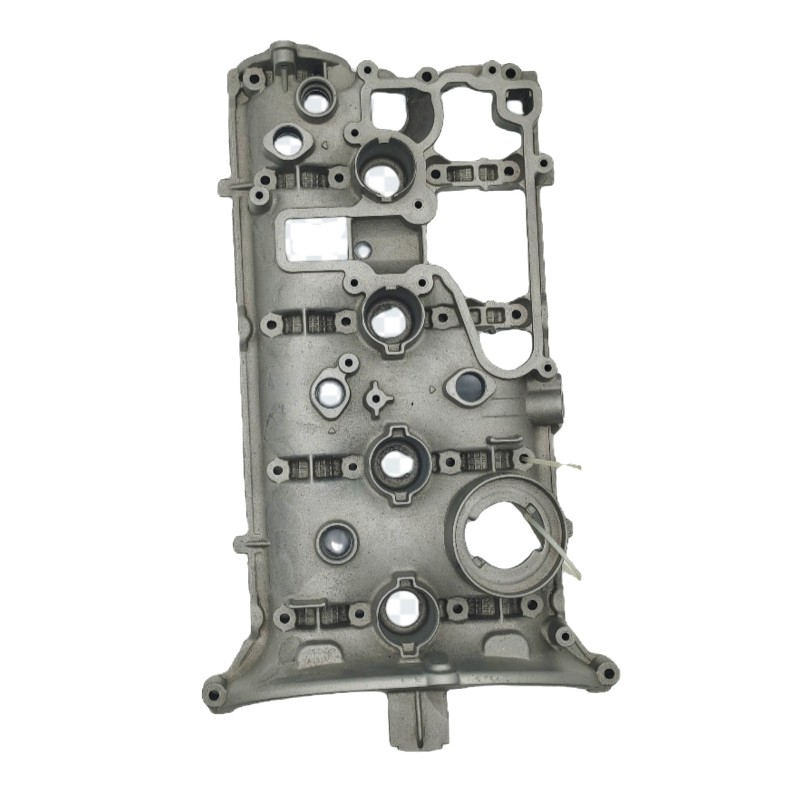
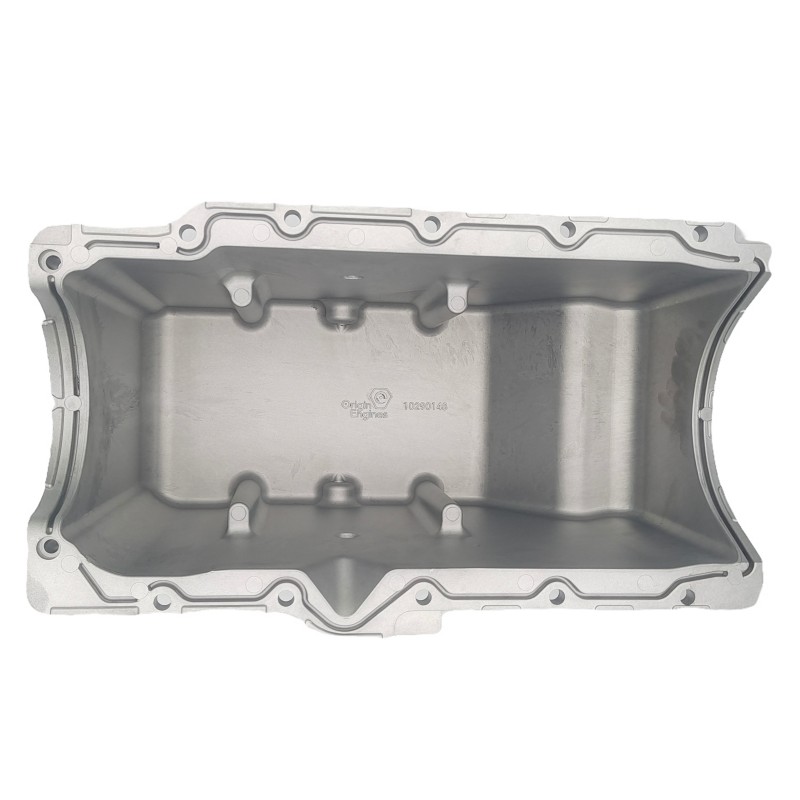
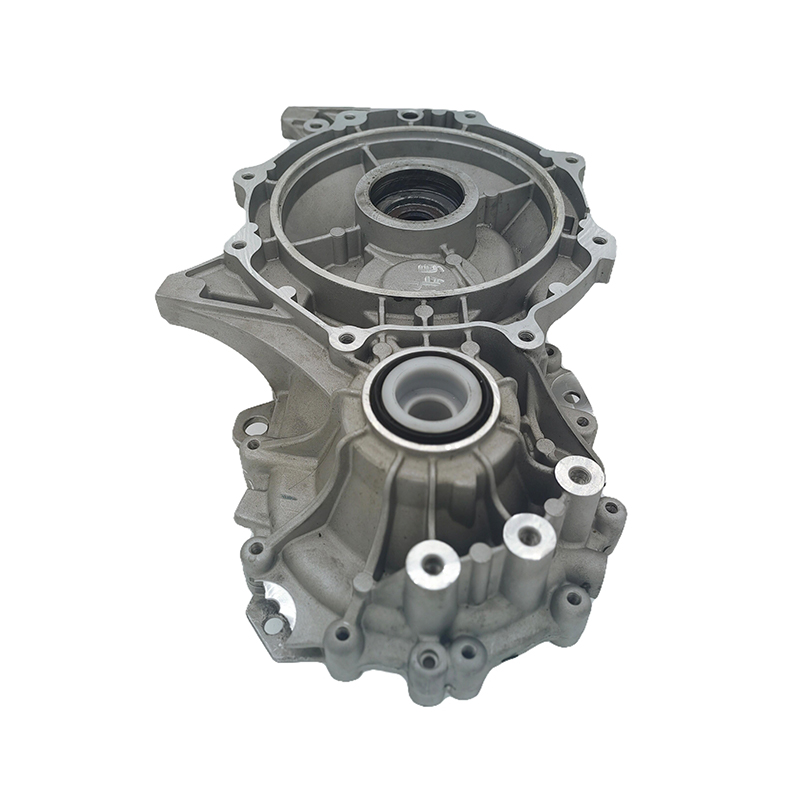
In the 2026 global automotive manufacturing landscape, New Energy Automobile Die Castings have evolved from traditional components into the core of the electric vehicle (EV) efficiency race. As global carbon neutrality goals advance, “Lightweighting” has become a top priority in vehicle design. For EVs, heavy power battery packs keep the curb weight high; every kilogram added directly leads to a reduction in driving range and an increase in energy consumption rates (Wh/km).
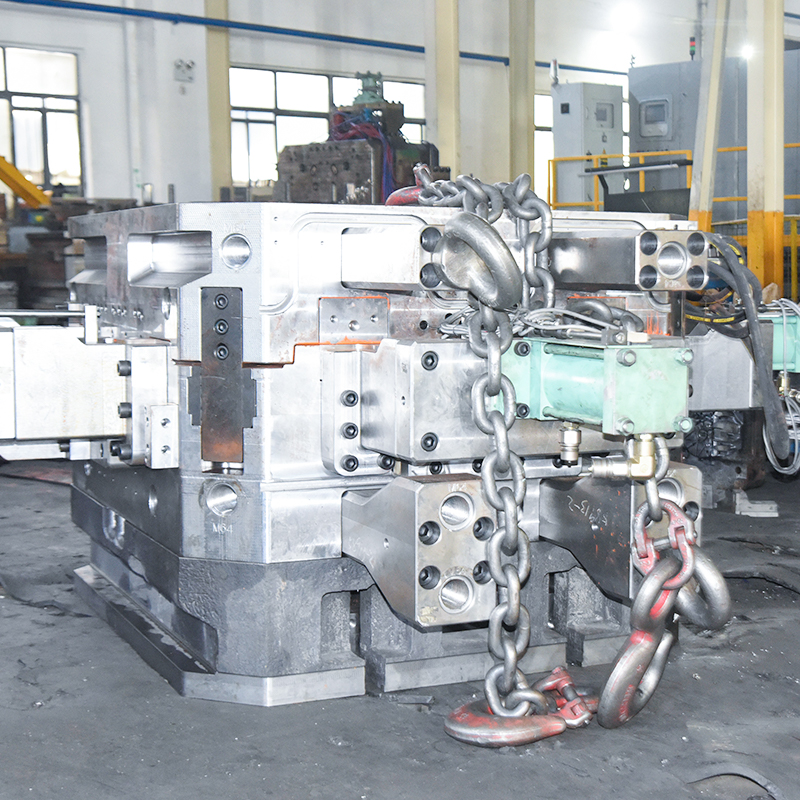
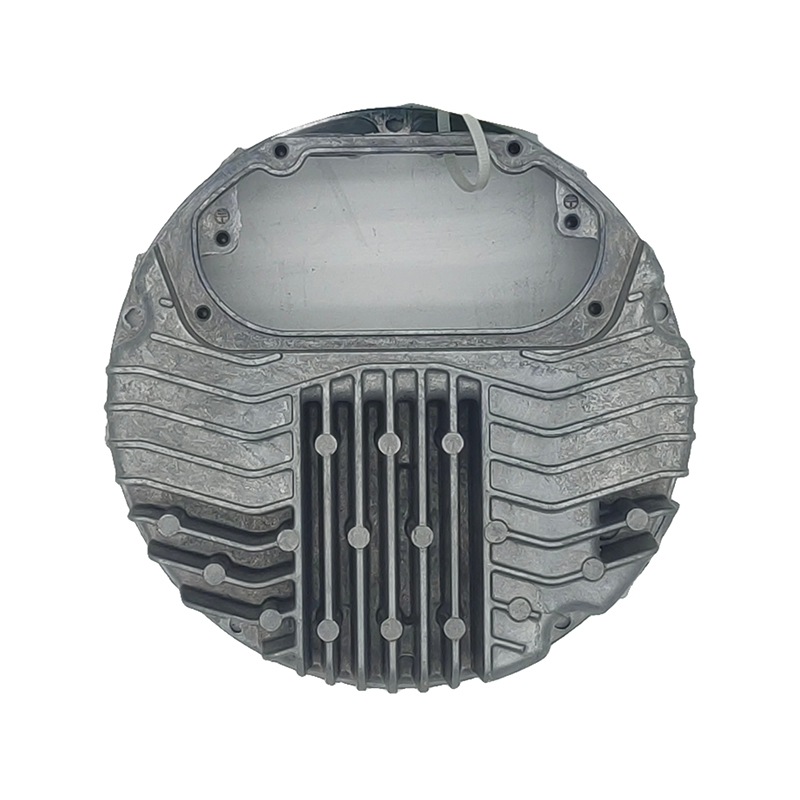
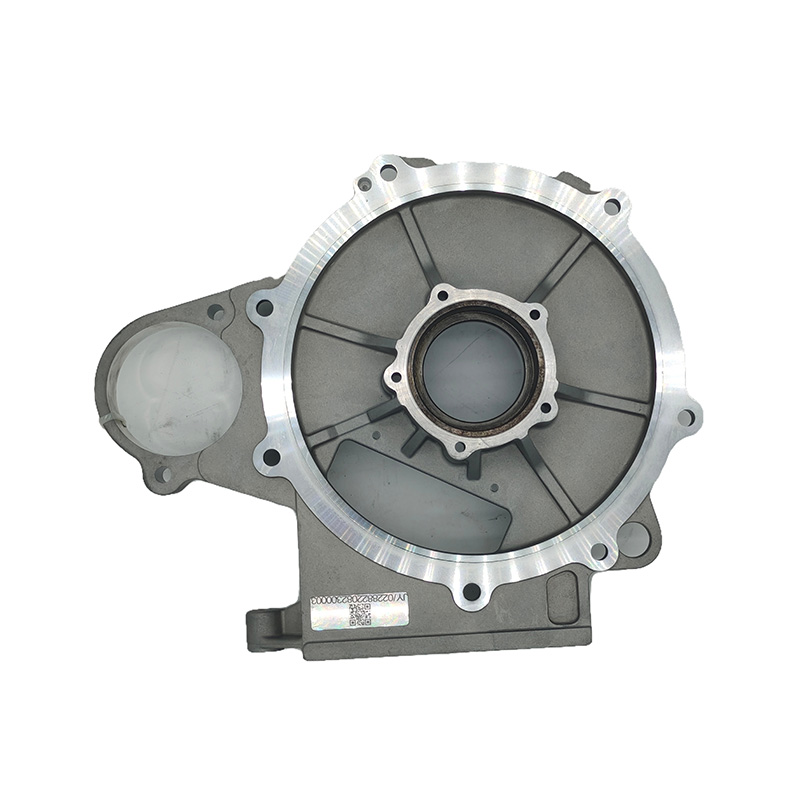
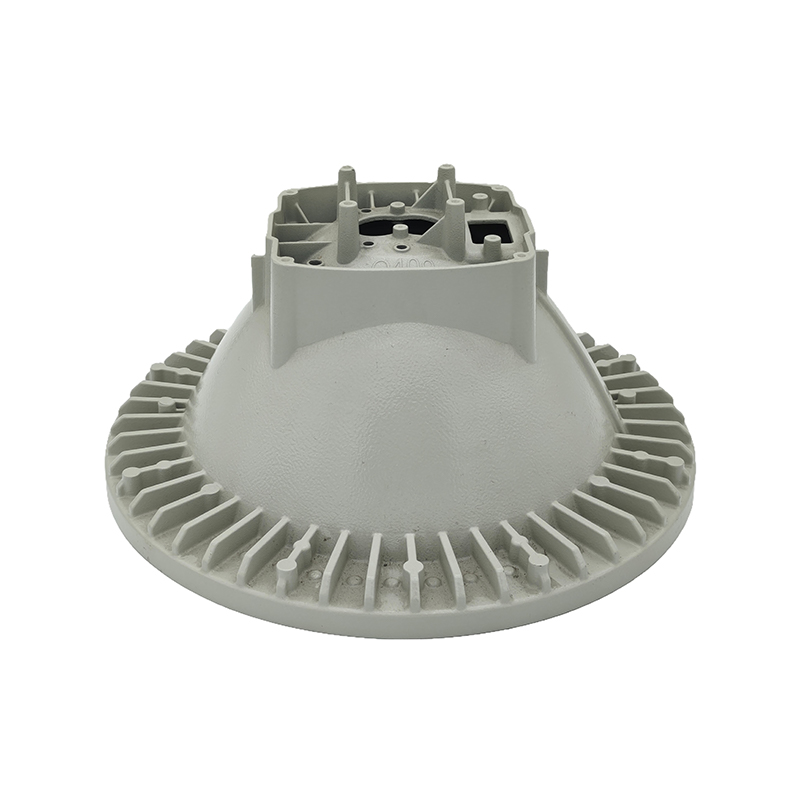
Die casting technology, particularly High-Pressure Die Casting (HPDC) and Vacuum Die Casting, is completely rewriting the logic of vehicle architecture by creating complex thin-walled structures and high-strength aluminum alloy parts. Compared to traditional steel stamping and welding processes, aluminum die castings not only significantly reduce vehicle weight but also improve the heat dissipation efficiency of the “Three-Electric” systems (battery, motor, and electronic control).
Advanced Materials: The Role of Aluminum and Magnesium Alloys
The fact that New Energy Automobile Die Castings can serve as a pillar of the lightweighting revolution is primarily due to leaps in polymer science and metallurgy. Traditional vehicles rely heavily on High-Strength Steel, which, while low-cost and reliable, has a natural disadvantage in density. In contrast, aluminum has a density of approximately 2.7 g/cm³, only about one-third that of steel (~7.8 g/cm³).
High-Strength Aluminum and Heat-Treatment-Free Alloys
In the 2026 manufacturing environment, aluminum die casting has widely adopted heat-treatment-free alloys.
- The Key Value of Heat-Treatment-Free Technology: Traditional die castings require T6/T7 heat treatment after molding to enhance mechanical properties, but this often leads to thermal deformation in large thin-walled parts. Heat-treatment-free alloys allow New Energy Automobile Die Castings to possess excellent elongation and impact resistance in their as-cast state. This is crucial for manufacturing structural components like longitudinal beams and shock towers, which must absorb significant energy during a collision without brittle fracture.
- Synergy with Thermal Management: Aluminum alloys offer outstanding thermal conductivity. When manufacturing motor housings and inverter bases, die castings act not only as structural members but also as massive heat sinks. This integrated functional design eliminates the weight of additional cooling components, further optimizing the energy efficiency of EV structural components.
Magnesium Alloy: The Ultra-Lightweight Frontier
As a metallic material even lighter than aluminum (density ~1.8 g/cm³), magnesium alloys are increasingly appearing on the high-end list of new energy automobile die castings.
- Application Expansion: Magnesium die castings are currently extending from traditional steering wheel frames and center console brackets to more complex electric drive covers. While magnesium alloys demand extremely high standards for casting processes and anti-corrosion treatments, their ultimate weight reduction effect is an irresistible attraction for high-end EV models pursuing maximum range.
Giga Casting: Revolutionizing Vehicle Architecture
If materials are the foundation of lightweighting, then “Giga Casting” is the ultimate weapon of New Energy Automobile Die Castings. This concept, pioneered by industry leaders, has become the benchmark for major Original Equipment Manufacturers (OEMs) in 2026. It utilizes ultra-large die casting machines (typically with clamping forces between 6,000 and 12,000 tons) to cast a massive aluminum alloy integral piece that previously consisted of dozens or even hundreds of stamped steel parts.
Radical Part Consolidation and Complexity Reduction
A traditional vehicle rear underbody is usually composed of 70 to 100 stamped parts welded by robots. This method increases the weight of solder and fasteners and reduces structural rigidity due to the presence of weld seams.
- Weight Reduction Data: By using large-scale integrated New Energy Automobile Die Castings, the number of parts in the rear underbody can be reduced to one. This radical integration can directly reduce vehicle weight by 10% to 20% while eliminating thousands of weld points and their associated weight.
- Torsional Stiffness: Because integral die castings have no welded joints, the structural continuity is superior, improving overall vehicle stiffness by approximately 30%. This means automotive engineers can use thinner metal sections to achieve the same crash safety standards, entering a virtuous cycle of lightweighting.
Integration with Battery-to-Chassis (BTC) Technology
In 2026, battery pack casing design is evolving toward CTC (Cell-to-Chassis) technology.
- Battery Tray Die Casting: The battery tray is no longer just a box to protect the battery; it has become a structural support for the vehicle chassis. High-precision large-scale die casting battery casings, with complex internal rib designs, provide extreme safety protection while integrating the battery pack into the chassis frame. This design eliminates traditional cross-member structures and represents a revolution in body-in-white (BIW) castings.
Performance Gains and Global Supply Chain Efficiency
The impact of lightweighting achieved through New Energy Automobile Die Castings extends far beyond physical weight reduction; it is directly linked to the vehicle’s dynamic performance and corporate supply chain cost control.
Range Extension and Cost Offset
Recognized industry data shows that for every 100kg reduced in an EV, the driving range can increase by approximately 6% to 11%, or the battery pack capacity can be reduced by a similar proportion.
- Economic Benefits: Reducing battery capacity by 10% means a significant reduction in total production cost, as batteries remain the most expensive single component of an EV. Therefore, the investment in aluminum alloys die castings can be repaid several times over through the optimization of battery capacity.
- Driving Dynamics: Reducing unsprung weight greatly improves handling agility and suspension response speed, giving large electric SUVs a driving texture comparable to sports coupes.
Technical Comparison: Die Casting vs. Traditional Stamping
The following table compares New Energy Automobile Die Castings with traditional production processes in lightweighting scenarios:
| Technical Metrics | Steel Stamping | New Energy Automobile Die Casting (HPDC/Giga Casting) |
|---|---|---|
| Material Density | High (~7.8 g/cm³) | Low (~2.7 g/cm³) |
| Part Integration | Requires many bolts/welds | Integral molding, virtually no fasteners |
| Wall Thickness Precision | Limited by dies, usually thicker | Enables complex thin-walled structures (1.5mm - 3.0mm) |
| Development Cycle | Requires hundreds of die sets | Key components require only a few large die sets |
| Sustainability | Mature recycling path | High efficiency for primary and secondary aluminum |
| Weight Savings Contribution | Baseline | Significant reduction of 20% - 40% (by system) |
FAQ: Common Questions on New Energy Automobile Die Castings
Q: Does the integrated design of New Energy Automobile Die Castings lead to excessive repair costs?
A: This is indeed a hot topic in the industry. While integrated die castings are difficult to “straighten” like steel plates after a severe collision, manufacturers have responded with “segmented designs.” For example, the vehicle front, middle, and rear are designed as three independent die-cast modules. In minor accidents, only specific connection brackets or bumper supports need to be replaced, avoiding the scrapping of the entire body structure.
Q: Can the strength of aluminum die castings reach the standard of high-strength steel?
A: With the development of heat-treatment-free high-strength and high-toughness aluminum alloys, the yield and tensile strength of New Energy Automobile Die Castings can now meet the requirements of critical structural components. More importantly, die castings can optimize stress distribution by changing the layout of internal ribs, an advantage that traditional uniform-thickness stampings cannot match.
Q: How high is the initial investment for adopting die casting processes?
A: Initial investment is indeed higher because large Giga Presses and supporting automated thermal control systems are expensive. However, in the long run, by eliminating hundreds of welding robots and massive welding shops, the per-vehicle cost drops rapidly once a certain production volume (e.g., 100,000 units/year) is reached, demonstrating a strong cost-benefit analysis advantage.
Q: What role do environmental factors play in the production of die castings?
A: Crucial. In the context of a green EV supply chain, the aluminum die casting industry is significantly increasing the use of Secondary Aluminum (recycled aluminum). Producing secondary aluminum requires only 5% of the energy used for primary aluminum, which not only lowers the carbon footprint but also aligns with global trends in sustainable development.
References and Professional Standards
- 2026 Global Automotive Lightweighting Technology Trends, Society of Automotive Engineers (SAE).
- High-Pressure Die Casting for EV Structural Integrity, International Journal of Metalcasting.
- The Evolution of Aluminum Alloys in New Energy Vehicle BIW, NADCA (North American Die Casting Association).
- Giga Casting and the Future of Automotive Supply Chains, Automotive Manufacturing Solutions (AMS).


 1 Building No.1 No.226. Tiantaishan Road, Daqi street. Beilun District, Ningbo City, Zhejiang Province, China
 +86-15967858563
