
 English
 Español
 Deutsch
 русский
1. How Do Aluminum Die Castings Optimize Heat Dissipation in Electric Drive Systems?
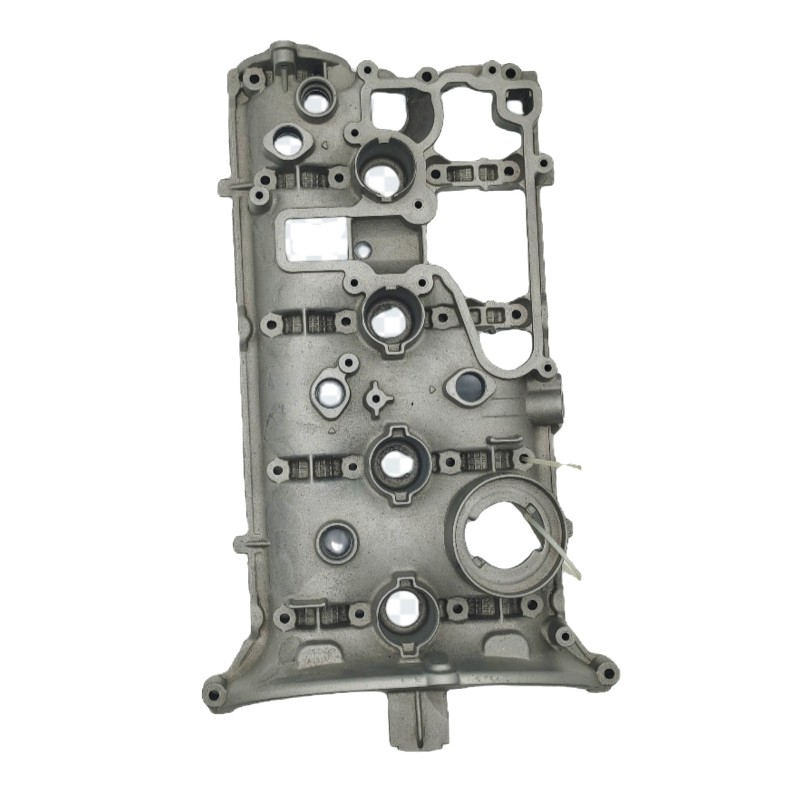
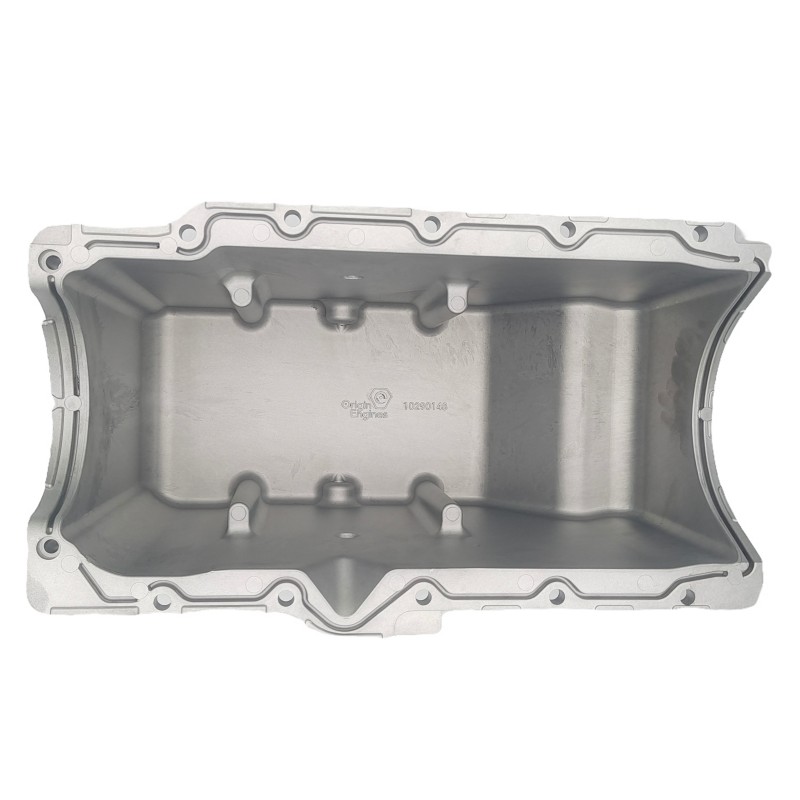
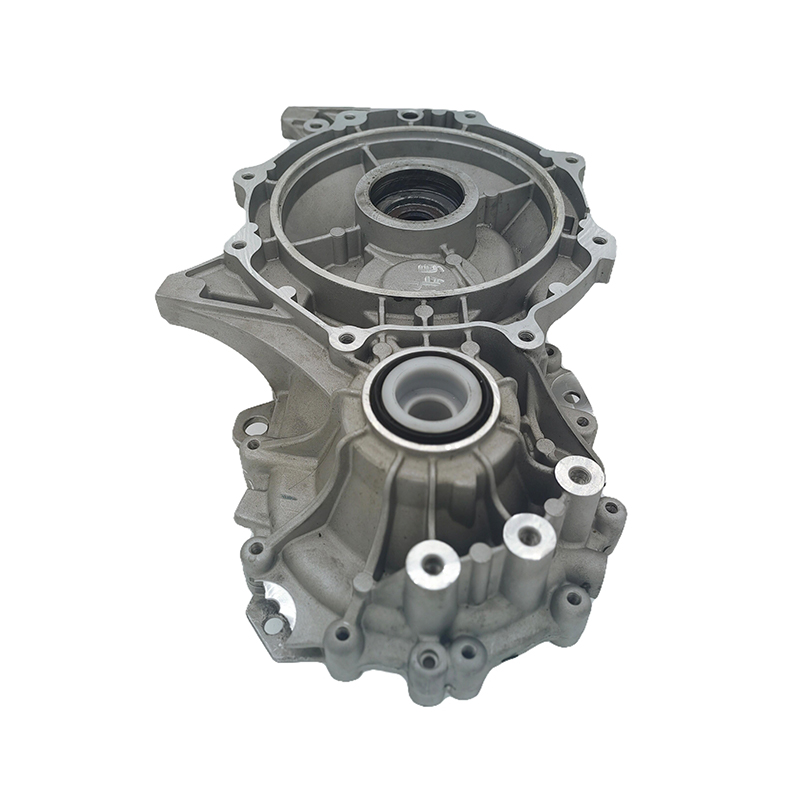
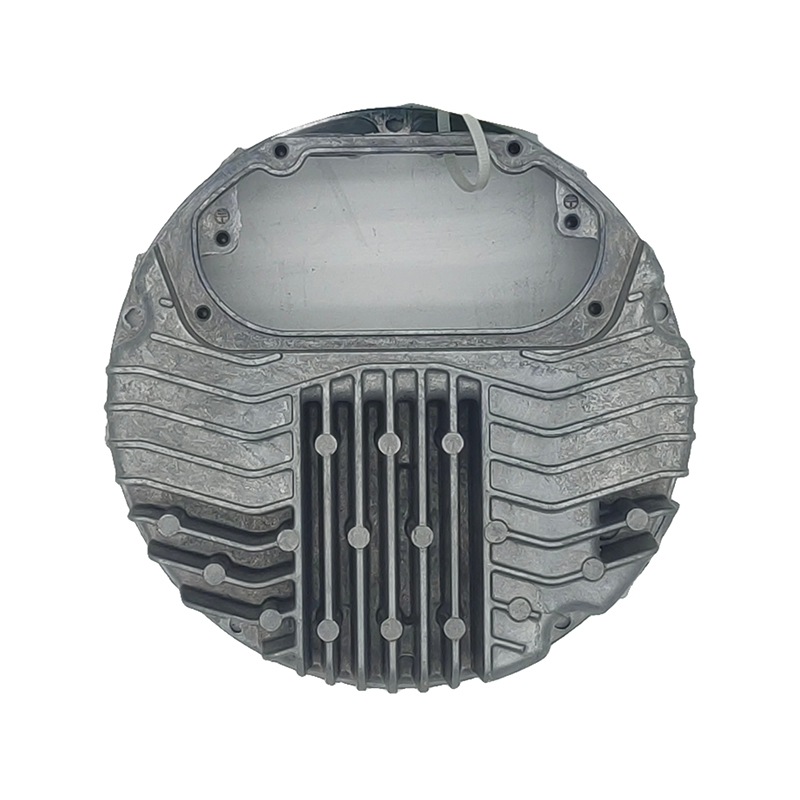
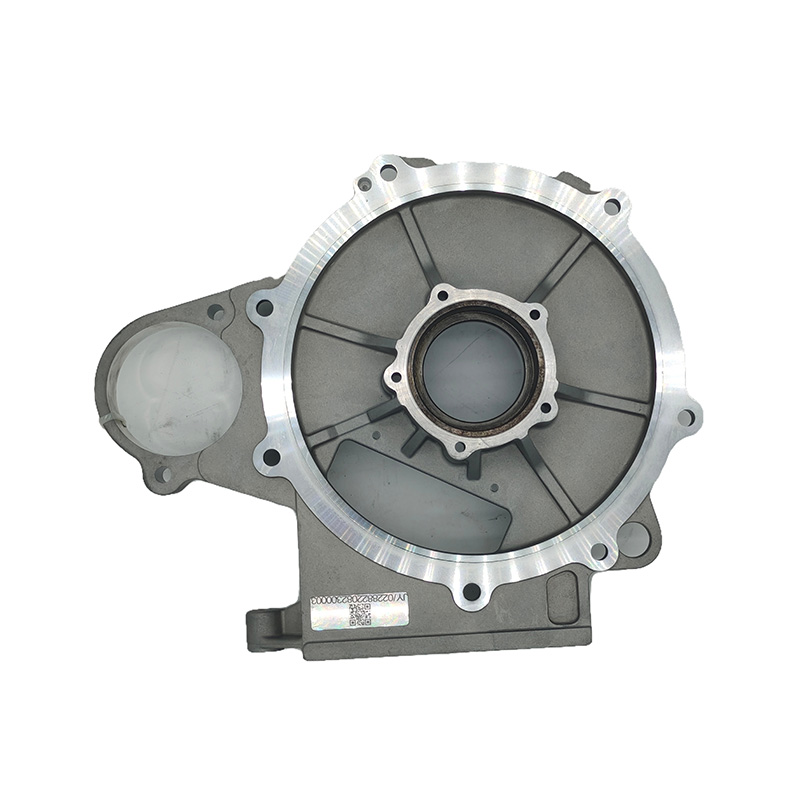
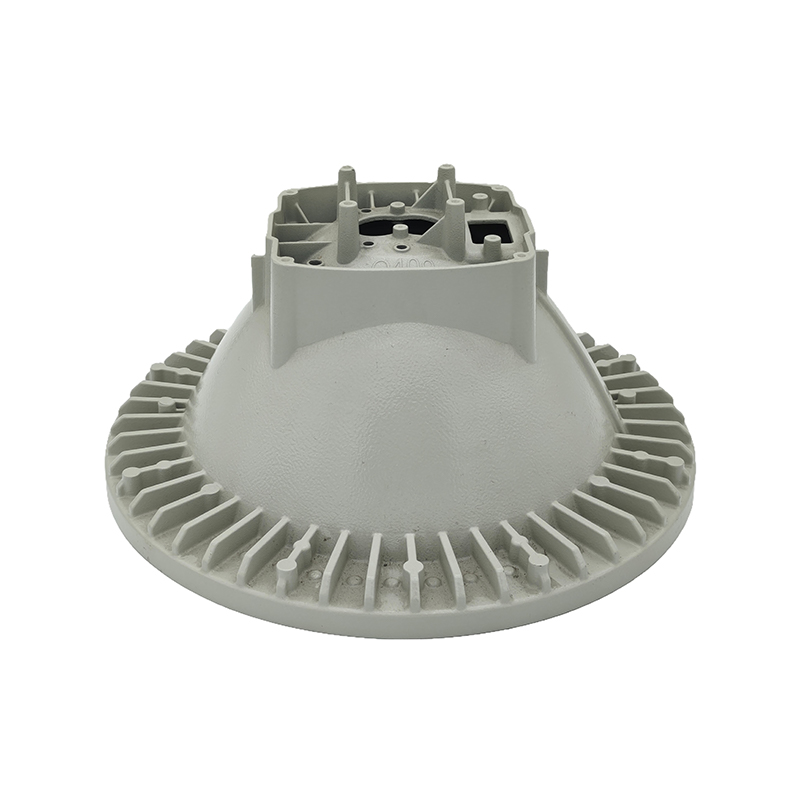
In the New Energy Vehicle (NEV) industry, the efficiency of an Electric Drive System (EDS) is determined not only by its power output but also by its thermal management capabilities. As motors and inverters evolve toward higher power density and miniaturization, heat accumulation has become a primary bottleneck limiting performance. Electric Drive System Die Castings, acting as the housing that supports core components, play a decisive role in the system’s ability to sustain continuous high-load operations.
Housings manufactured using high-pressure aluminum die casting leverage the inherent high thermal conductivity of aluminum alloys. Combined with complex geometric designs, they provide an exceptional heat exchange interface for high-speed motors and power electronics. Compared to traditional welding or sand casting, die-cast components allow for thinner wall thicknesses and more intricate integrated cooling circuits, significantly boosting thermal energy conversion efficiency while maintaining structural integrity. In modern EV architectures, a premium die casting is not just a protective shell; it is the “thermal heart” of the entire heat management system.
2. Thermal Conductivity Advantages of Aluminum Alloys
In the thermal management chain of an electric drive system, the thermal conductivity of the housing material is the first technical gateway. During high-load conditions, such as high-speed cruising or steep climbing, internal stator windings and IGBT power modules generate immense amounts of Joule heat instantaneously. If the housing material lacks sufficient heat transfer performance, internal temperatures will skyrocket, leading to system failure.
2.1 Natural Advantages of Physical Properties
Die-cast aluminum alloys (such as ADC12, AlSi10Mg, etc.) typically offer thermal conductivity ranging from 90 to 160 W/(m·K), whereas traditional ductile iron offers only about 40–55 W/(m·K). This means that when heat is transferred from the heat source (e.g., the stator) to the housing, the aluminum die casting can carry heat away at more than 2.5 times the speed of iron. This rapid heat dissipation effectively prevents the formation of “hot spots,” protecting the motor’s insulation materials from thermal degradation and extending the overall service life of the electric drive system.
2.2 Advanced Alloy Modification for Thermal Performance
To meet the extreme thermal demands of high-performance EVs, material scientists have introduced trace elements into standard Electric Drive System Die Castings. By precisely adjusting the ratio of Silicon (Si) to Magnesium (Mg) and controlling impurity levels, modern die-casting processes can produce specialized alloys that offer both high structural strength and superior thermal conductivity. This optimization at the molecular level ensures that the housing maintains stable heat exchange efficiency even during sustained peak power output.
2.3 Material Performance and Heat Dissipation Comparison Table
| Material Type | Thermal Conductivity (W/m·K) | Density (g/cm³) | Thermal Response Speed |
|---|---|---|---|
| Die Cast Aluminum Alloy | 120 - 150 | 2.7 | Excellent (Instant) |
| Cast Magnesium Alloy | 60 - 90 | 1.8 | Good |
| Cast Iron | 40 - 55 | 7.8 | Poor |
| Structural Steel | 15 - 30 | 7.8 | Very Poor |
3. Precision Implementation of Complex Internal Cooling Channels
As electric drive systems evolve toward “3-in-1” integration (motor, controller, and reducer integrated into one unit), passive cooling is no longer sufficient for high power densities. The core competitiveness of Electric Drive System Die Castings lies in the use of High-Pressure Die Casting (HPDC) technology to integrate extremely complex Cooling Circuits directly within the walls of the housing.
3.1 Integrated Water Jacket Die Casting Process
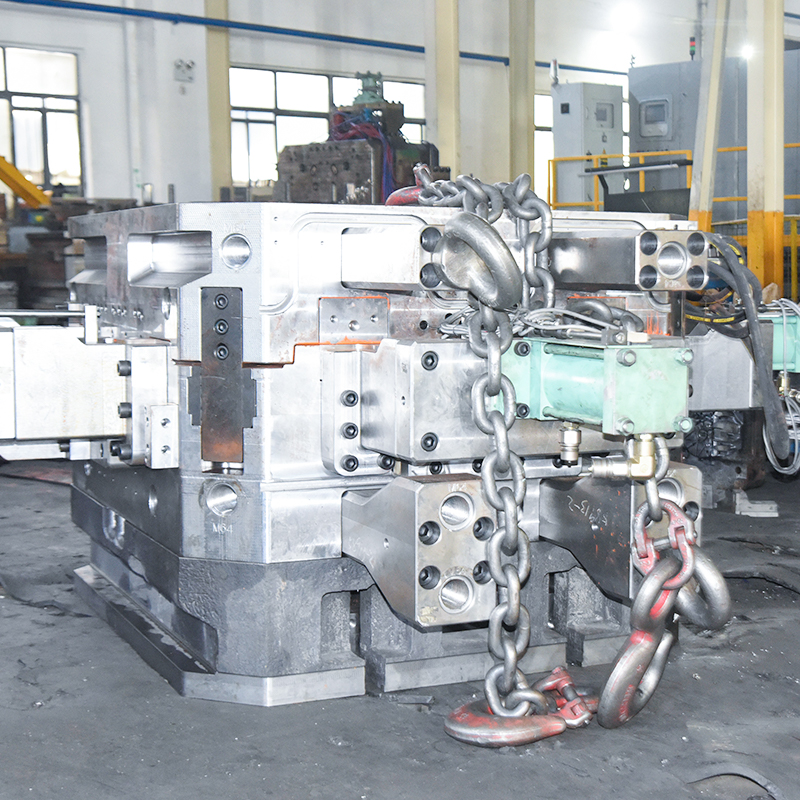
During the mold design phase, precision-calculated sliders and core-pulling structures allow for the creation of spiral or serpentine channels within the motor housing. This “Integrated Cooling Jacket” design allows the cooling medium (typically a water-glycol solution) to flow directly past the outer circumference of the stator.
- Thin-Wall Design: The die-casting process allows for uniform wall thicknesses of 3.0mm to 4.5mm, shortening the physical path for heat to travel from the internal source to the coolant and reducing system thermal resistance.
- Flow Field Optimization: High-precision die casting can create specialized textures on the internal channel walls. By increasing surface area or creating micro-turbulence, these textures enhance the convective heat transfer coefficient significantly.
3.2 Reliability of Sealing and Structural Integrity
The efficiency of a thermal system depends on its operational stability under high pressure. High-quality aluminum die castings utilize Vacuum Die Casting technology to minimize internal pinholes and porosity. This dense micro-structure ensures that even under cooling system pressures exceeding 3 bar, no leakage occurs in the channels. Furthermore, the excellent fluid properties of aluminum alloys ensure smooth cooling paths, reducing pump energy consumption and improving the vehicle’s overall energy efficiency ratio.
4. Reducing Thermal Contact Resistance via Integrated Design
In thermal design, reducing the number of interfaces between components is key to improving efficiency. The trend toward integration in Electric Drive System Die Castings brings revolutionary thermal management advantages by minimizing Thermal Contact Resistance.
4.1 Thermal Advantages of All-in-One Integrated Housings
In traditional designs, the inverter and motor are separate units connected by bolts and cables. This discrete design increases volume and creates significant thermal resistance due to air gaps or sealing gaskets between components.
- Shared Cooling Base: In an integrated die-casting solution, the inverter’s power modules (IGBT or SiC) can be directly mounted on an extended platform of the motor housing. This platform shares the same internal water channels as the motor.
- Seamless Heat Path: Eliminating intermediate connectors means heat can be conducted through the aluminum alloy housing in a “one-stop” fashion. The heat flow path is more direct, greatly improving the thermal stability of the inverter during high-frequency switching states.
4.2 Eliminating Structural Redundancy for Lightweight Dissipation
Integrated die castings use topology optimization to retain material only along critical load and heat-conducting paths. This highly optimized structure not only reduces weight (supporting energy efficiency) but also minimizes “dead thermal mass.” A system with lower thermal inertia can respond more nimbly to temperature changes, allowing the cooling system to quickly evacuate heat generated during peak loads through rapid pump adjustments.
5. Quality Control Factors in Heat Dissipation
Not all die castings provide the same thermal performance. Minor variations in the manufacturing process can significantly impact the actual thermal behavior of Electric Drive System Die Castings.
5.1 Eliminating Internal Defects to Lower Thermal Resistance
If filling pressure is unstable or mold venting is poor during the die-casting process, shrinkage cavities or air gaps can easily form in critical heat dissipation areas. Since the thermal conductivity of air is extremely low (approx. 0.026 W/m·K), these tiny pores act as “thermal barriers” that obstruct heat flow. Therefore, using high-specification die-casting machines and rigorous X-ray flaw detection is essential to ensure every housing meets its theoretical thermal dissipation values.
5.2 Surface Treatment and Radiation Efficiency
Beyond internal conduction and liquid cooling, the surface treatment of the housing also affects heat dissipation. Through specialized shot blasting, oxidation, or coating processes, the emissivity of the aluminum housing can be modified. In certain low-speed, high-torque conditions, enhanced external thermal radiation and convection can serve as an effective supplement to the water-cooling system, further broadening the safe operating boundaries of the electric drive system.
Frequently Asked Questions (FAQ)
Q1: Why are aluminum die castings used in electric drive systems instead of plastic or steel?
A1: Plastic has very low thermal conductivity and cannot meet the dissipation needs of high-power motors; steel is too heavy and its conductivity is inferior to aluminum. Aluminum die castings offer the perfect balance of lightweight properties, high thermal conductivity, and the ability to form complex structures.
Q2: How is it ensured that the die-cast housing does not leak under long-term vibration?
A2: The key lies in controlling the density of high-pressure die casting and conducting 100% airtightness testing. Additionally, optimizing the channel structure to avoid stress concentrations at cooling pipe connections ensures the system remains sealed throughout the vehicle’s lifecycle.
Q3: Does the precision of the die casting affect heat dissipation?
A3: Yes. High-precision machined surfaces ensure an interference fit between the motor stator and the housing’s inner wall. This minimizes the air gap between them, thereby reducing contact thermal resistance and improving heat conduction efficiency.
References
- Zhao, H., et al. (2024). Advancements in High-Pressure Die Casting for EV Thermal Management Units. Journal of Automotive Manufacturing.
- Miller, P. (2025). Comparative Analysis of Aluminum Alloys for High-Performance Electric Drive Housings. Modern Foundry Science.
- Technical Standards for Integrated Die Castings in New Energy Vehicle Powertrains, Global Automotive Engineering Review (2025).


 1 Building No.1 No.226. Tiantaishan Road, Daqi street. Beilun District, Ningbo City, Zhejiang Province, China
 +86-15967858563
