
 English
 Español
 Deutsch
 русский
The choice between hot chamber and cold chamber die casting should not be based on machine availability or habit. It is driven first by material, then by part size, production volume, and tolerance requirements. In short, hot chamber die casting works best for zinc and other low-melting-point alloys, while cold chamber die casting is the standard route for aluminum and other high-melting-point alloys. The following overview explains how the two processes differ and why the decision matters before you commit to tooling.
What Is Hot Chamber Die Casting?
Hot chamber die casting uses an integrated furnace that keeps the metal molten inside the machine. A gooseneck mechanism, submerged in the molten bath, directs the metal into a shot chamber while a plunger forces it into the closed die. Because the metal never leaves the machine between melting and injection, the cycle is fast and efficient.
This process is a natural fit for zinc, tin, lead, and certain magnesium alloys. Their low melting temperatures protect the steel gooseneck and plunger from excessive wear. As a result, hot chamber die casting produces small, detailed parts with excellent surface finish, good dimensional consistency, and high production rates. Typical products include locks, connectors, belt buckles, and small housings.
The main limitation is alloy compatibility. If aluminum or another high-melting-point alloy is poured into a hot chamber machine, the molten metal attacks the steel components that are constantly submerged. The tooling deteriorates quickly and the quality of the casting suffers. For that reason, the hot chamber process is not a practical route for most aluminum structural parts.
What Is Cold Chamber Die Casting?
Cold chamber die casting separates the melting and injection steps. The alloy is melted in a furnace outside the machine, then measured into a shot sleeve by a ladle or robotic arm. A plunger pushes the metal from the shot sleeve into the die under high pressure.
Because the machine parts are not constantly immersed in molten metal, cold chamber machines can handle alloys that melt at much higher temperatures. Aluminum is the most common material, followed by magnesium, brass, and copper alloys. This makes the process suitable for components that need high strength, heat resistance, and lower weight.
The trade-off is a longer cycle. The metal must be transferred into the shot sleeve for every shot, and some heat is lost during the transfer. The operator also has to control pouring temperature and shot parameters carefully. For aluminum parts, these costs are acceptable because cold chamber is the only stable way to produce high-pressure aluminum die castings.
Hot Chamber vs Cold Chamber: Key Differences
Placing the two processes side by side clarifies their effect on part design and cost. The table below compares the most important points.
| Parameter | Hot Chamber | Cold Chamber |
|---|---|---|
| Melting location | Inside the machine | Separate furnace |
| Compatible alloys | Zinc, tin, lead, some magnesium | Aluminum, magnesium, brass, copper |
| Cycle time | Short; metal is always ready | Longer; metal is transferred before each shot |
| Part size | Best for small and medium parts | Small to large, including structural parts |
| Wall thickness | Thin and intricate walls possible | Can produce thin and thick sections under high pressure |
| Die life | Longer due to lower melt temperature | Shorter because high-temperature alloys stress the die |
| Surface finish | Excellent | Good; secondary finishing may be needed |
| Typical applications | Locks, connectors, handles, small housings | Automotive, EV, communication, lighting, industrial enclosures |
The choice is not about which machine is better in absolute terms. It is about matching the process to the alloy and to the functional demands of the component.
Tooling, Cycle Time, and Cost Considerations
Tooling cost follows the process and the alloy. Hot chamber machines are generally less expensive to operate for low-melting-point alloys because the die stays cooler and the system runs automatically at high speed. Cold chamber machines involve an external furnace, a pouring ladle or robot, and higher injection pressures, so the equipment package and maintenance cost are higher. The die also works harder in cold chamber casting because aluminum enters at around 660 degrees Celsius or higher and cools unevenly inside the cavity.
Cycle time is not only about the casting shot. In cold chamber production, each cycle includes the time needed to transfer the melt from the furnace to the shot sleeve. That extra step makes the machine inherently slower than a hot chamber machine. However, for aluminum parts, the slower cycle is acceptable because there is no alternative that can produce the same combination of strength, dimensional stability, and weight reduction.
How to Choose the Right Process
Start the selection process with the alloy. If the specified material is aluminum, the decision is already made: cold chamber die casting is required. If the material is zinc or another low-melting-point alloy, compare the production quantity, part size, and tolerance requirements.
- Confirm the alloy family and its melting point.
- Define the part size, wall thickness, and functional requirements.
- Estimate the annual production volume.
- Review tolerance and surface finishing requirements.
- Balance tooling investment against unit cost and lead time.
For small zinc parts with high production volumes, hot chamber die casting is often the most economical option. For aluminum parts that must handle heat or vibration, cold chamber is the only practical route. Once the material is fixed, the choice of machine follows naturally.
Why Aluminum Parts Usually Need Cold Chamber Die Casting
Aluminum is the default material when a part must save weight, conduct heat, or survive vibration. Hot chamber machines cannot handle this material because the molten aluminum would attack the steel components in constant contact with the melt. Instead, manufacturers rely on cold chamber high-pressure die casting, then add CNC machining and surface treatment.
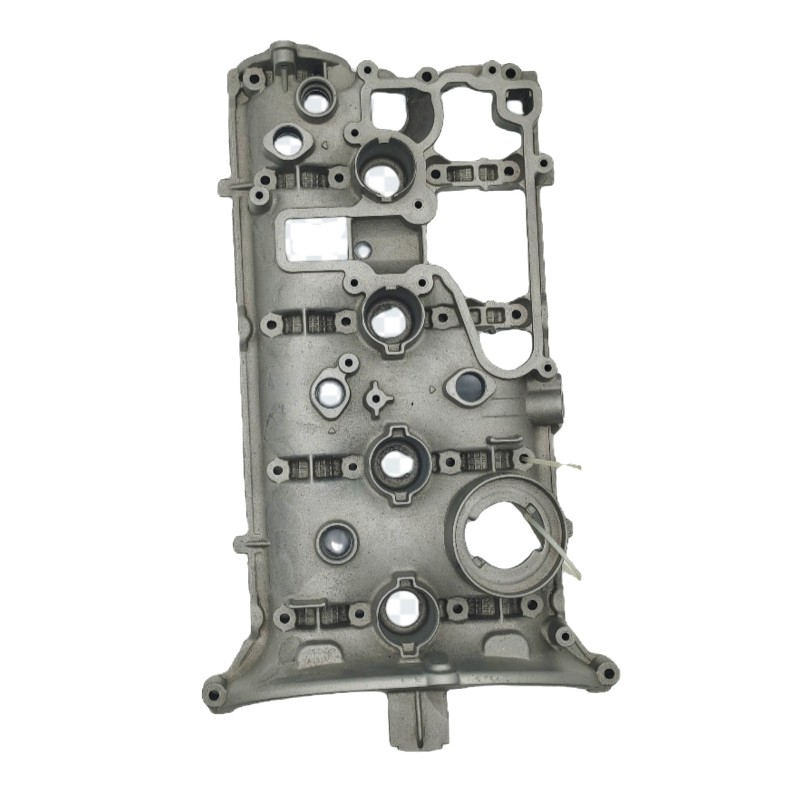
In automotive applications, an aluminum oil pan die casting must be dense enough to prevent leaks and rigid enough to support engine accessories. It is produced on a cold chamber machine, then machined and pressure-tested to meet assembly specifications.
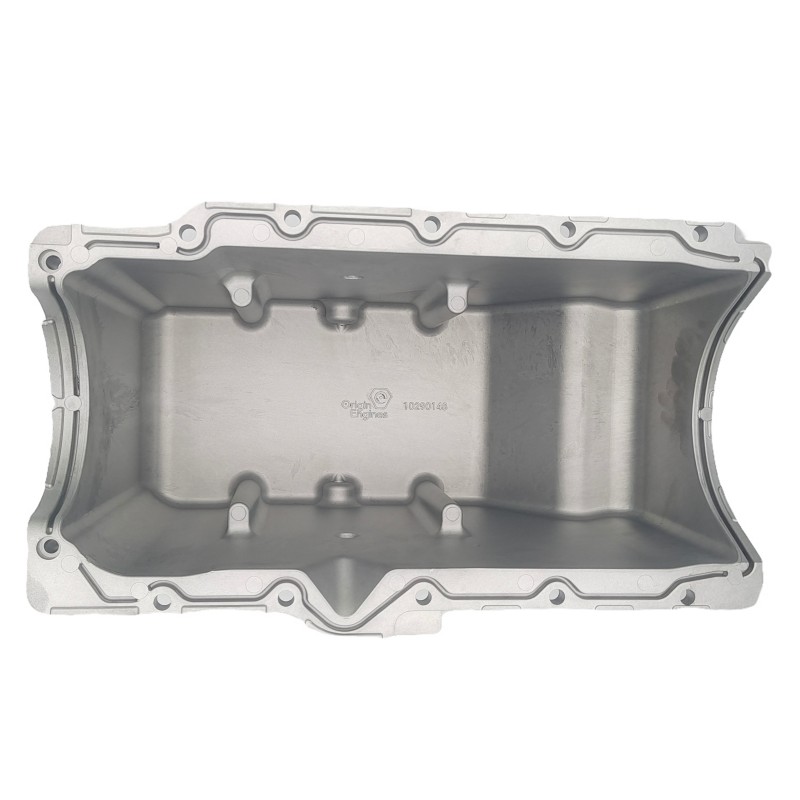 Custom Aluminum alloy oil pan die casting Suppliers, Factory - Ningbo Jinyao MacNingbo Jinyao Machinery Co., Ltd. is China Custom Aluminum alloy oil pan die casting suppliers and Aluminum alloy oil pan die casting fac...View Product →
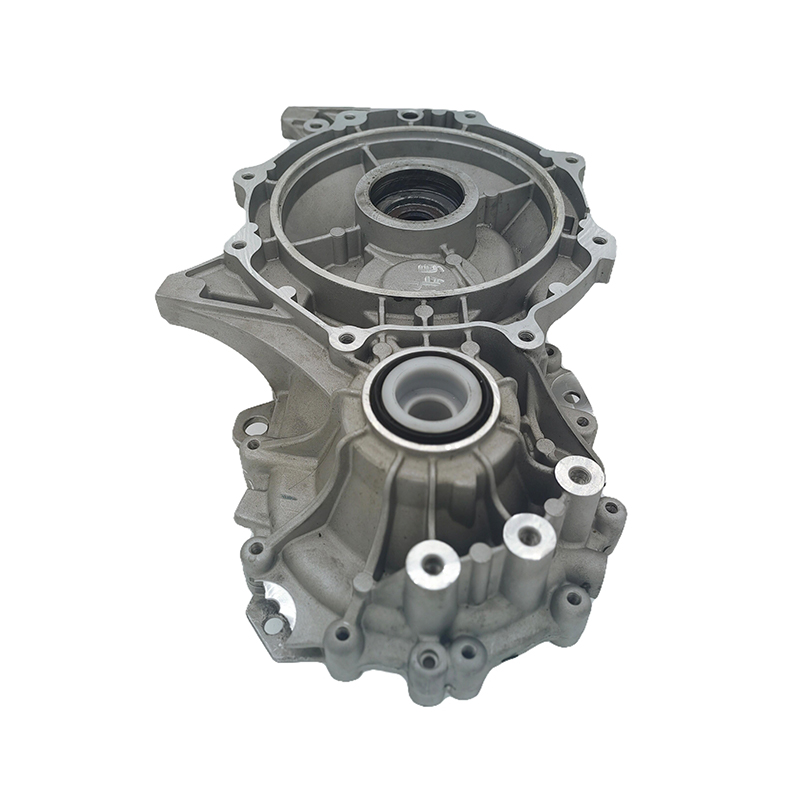
The same logic applies to electrified powertrains. An aluminum electric drive system die casting protects power electronics while reducing overall weight, but it must also keep thin walls sound under high injection pressure.
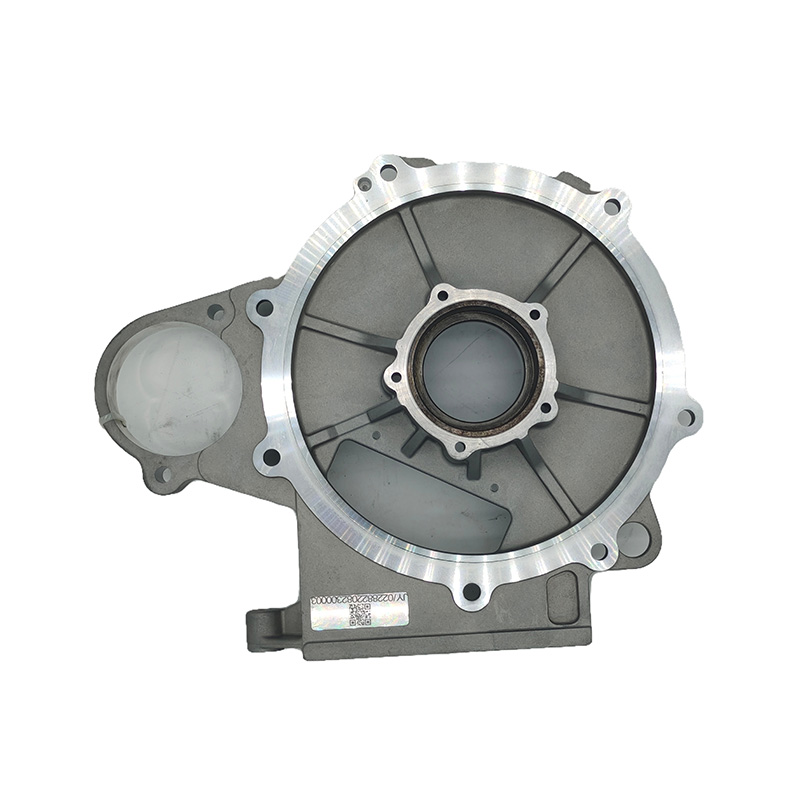 Custom Aluminum alloy electric drive system die casting Suppliers, Factory - NinNingbo Jinyao Machinery Co., Ltd. is China Custom Aluminum alloy electric drive system die casting suppliers and Aluminum alloy electric ...View Product →
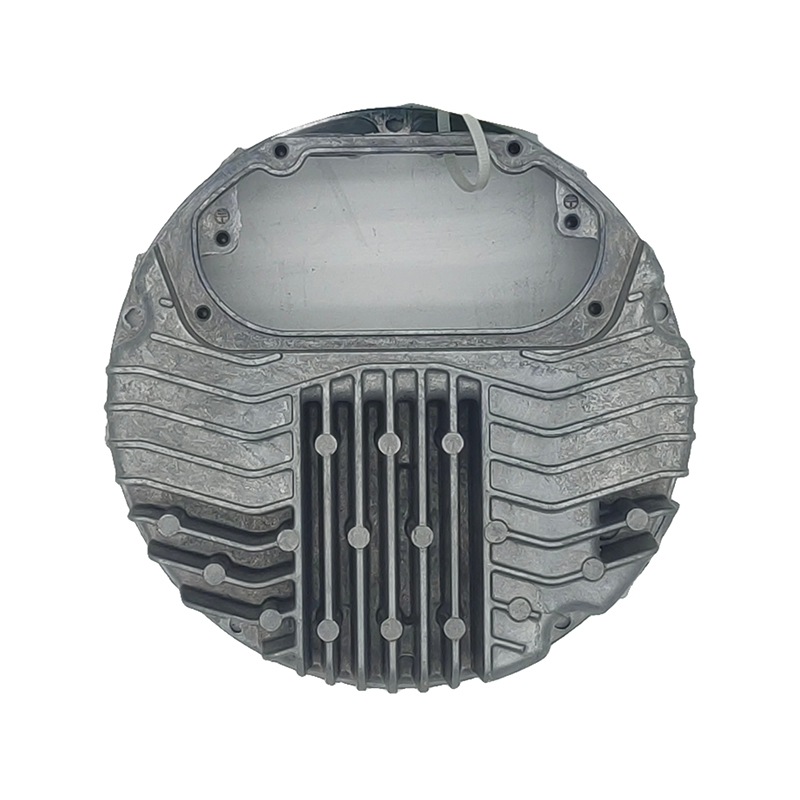
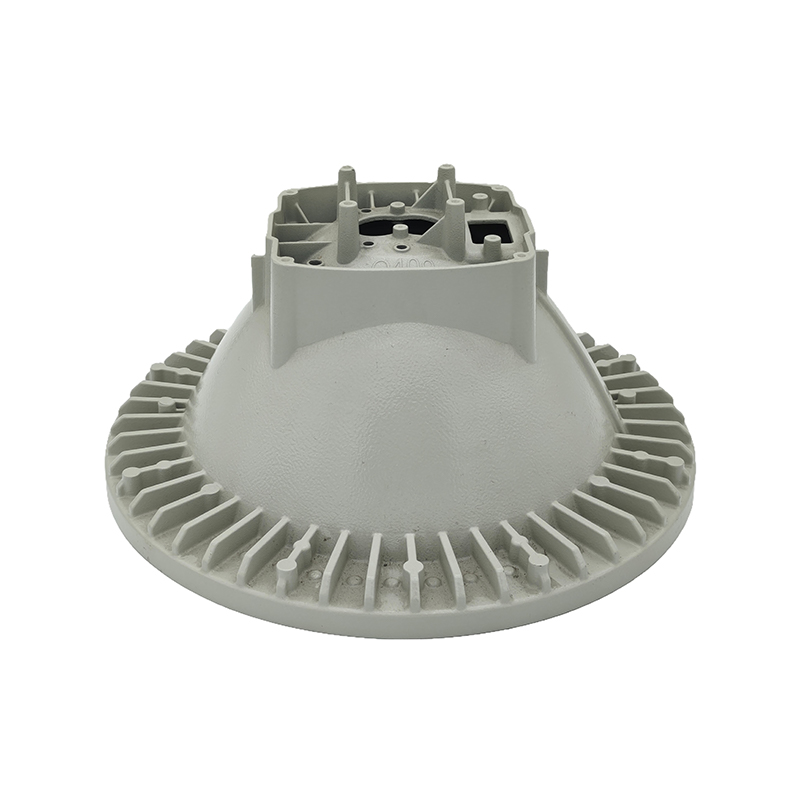
In communication infrastructure, an aluminum alloy base station housing needs flat surfaces and accurate mounting points. Cold chamber casting followed by CNC finishing is the reliable route for these enclosures.
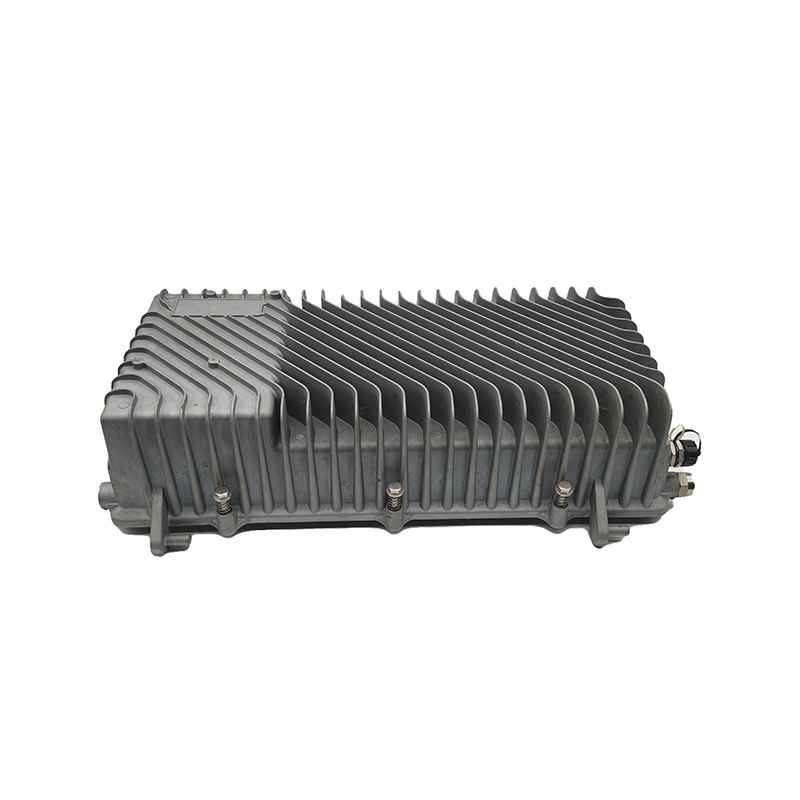 Custom Aluminum alloy base station housing die casting Suppliers, Factory - NingNingbo Jinyao Machinery Co., Ltd. is China Custom Aluminum alloy base station housing die casting suppliers and Aluminum alloy base stati...View Product →
What to Bring to a Die Casting Supplier
A clear RFQ gives the supplier the information needed to recommend the right process and quote accurately. The most useful inputs include:
- Part drawings with dimensions, tolerances, and material specification.
- Annual volume and target cycle time.
- Quality standards or performance tests that apply to the part.
- The scope of supply: raw casting, CNC machining, surface treatment, or assembly.
Before production tooling is cut, prototype casting or CNC machining from billet can verify the design. A supplier with both die casting and machining capability can recommend where to add draft angles, radii, and bosses to improve castability without weakening the part.
Supplier experience makes the difference between a casting project and a finished part program. A supplier with in-house mold making can connect tooling design to the chosen die casting process, which shortens lead time and prevents many common casting defects. Post-processing operations also deserve attention; post-processing techniques for die-cast parts explain why CNC machining, deburring, and surface treatment belong in the same planning process as the casting itself.
Selecting between hot chamber and cold chamber die casting is not a question of popularity. Let the alloy and the component function dictate the process, then choose a supplier that can support the complete route from tooling to final machining. That approach reduces risk, cost, and time from the first article through full production.




 1 Building No.1 No.226. Tiantaishan Road, Daqi street. Beilun District, Ningbo City, Zhejiang Province, China
 +86-15967858563
