
 English
 Español
 Deutsch
 русский
Among the first decisions your engineering and purchasing teams will make when quoting an aluminum cast component is the alloy. The most common question is not which alloy is best, but which alloy matches the part's function, wall thickness, machining allowance, and service environment. In high pressure die casting, for example, an engine oil pan needs pressure tightness and good machinability, while a base station housing must combine stiffness with thermal conductivity. A single alloy cannot serve both well. This article explains how to select an aluminum casting alloy from a practical, procurement-oriented perspective.
Aluminum Casting Alloys: Classification and Designations
Casting alloys are different from wrought alloys. Wrought products are rolled or extruded, while castings are poured into a mold. Because of this, casting alloys must have good fluidity and lower melting points. The Aluminum Association uses a four-digit system with a decimal point to designate cast aluminum alloys. The first digit indicates the principal alloying element: 1xx.x for nearly pure aluminum, 2xx.x for copper, 3xx.x for silicon, 4xx.x for silicon with other elements, 5xx.x for magnesium, and 7xx.x for zinc.
The overwhelming majority of high pressure die casting alloys belong to the 3xx.x family because silicon improves fluidity, reduces hot cracking, and helps produce thin-walled and complex geometries. Common grades include A380, A383, A360, and A413. Letters before the number indicate slightly different iron and impurity limits, which affect mechanical properties and casting behavior.
What Actually Matters When Choosing a Casting Alloy
Alloy selection affects both the casting process and the final product. It is helpful to separate the concerns into four areas.
Castability and Hot Cracking
High silicon content increases fluidity, allowing the molten metal to fill thin sections and detailed cavities. A383 has about 9.5 to 11.5 percent silicon and higher fluidity than A380, which is one reason it is used for complex automotive housings. Copper and magnesium can increase hot cracking tendency, so alloys with higher copper content require careful mold design and process control.
Mechanical Strength and Pressure Tightness
A380, the most widely used aluminum die casting alloy, has an ultimate tensile strength of roughly 310 MPa and good elongation. It works well for structural parts that need strength without exotic treatments. For pressure-tight components such as transmission housings, higher silicon alloys like A413 offer better pressure tightness but lower ductility. A356, common in gravity casting, can achieve higher strength after heat treatment, but it is not a standard choice for high pressure die casting because of its higher hot cracking susceptibility.
Machinability and Surface Treatment
Copper improves machinability but reduces corrosion resistance. If the part requires anodizing or a bright decorative finish, alloys with lower copper content, such as A360 or selected 5xx.x alloys, may be safer. Magnesium affects surface treatment response and should be identified during the quoting stage. The right combination of a moderate silicon content and controlled iron levels provides a predictable machining cycle and stable tool life.
Corrosion Resistance and Thermal Conductivity
Silicon-aluminum-magnesium alloys generally have better corrosion resistance and higher ductility than copper-bearing alloys. Copper lowers corrosion resistance and thermal conductivity. For heat dissipation components like base station housings or photovoltaic inverter housings, thermal conductivity and oxidation resistance are major selection drivers.
Common Aluminum Die Casting Alloys Compared
By looking at composition and typical properties side by side, the trade-offs become clear.
| Alloy | Silicon (%) | Copper (%) | Tensile Strength (MPa) | Key Characteristics | Typical Use |
|---|---|---|---|---|---|
| A380 | 7.5-9.5 | 3.0-4.0 | ~310 | Good castability and machining | Automotive, motor housings, general structural parts |
| A383 | 9.5-11.5 | 2.0-3.0 | ~300 | Excellent fluidity, lower hot cracking | Complex thin-walled automotive and communication parts |
| A360 | 9.0-10.0 | <0.6 | ~300 | Better corrosion resistance, good ductility | Marine, electrical, and outdoor equipment components |
| A413 | 11.0-13.0 | <0.5 | ~290 | High pressure tightness, less ductile | Leak-tight housings, instrumentation, enclosures |
Matching Alloy to Application with Real Examples
Alloy selection becomes easier when you tie it to a concrete component. The following examples reflect common decisions we face in high pressure aluminum die casting.
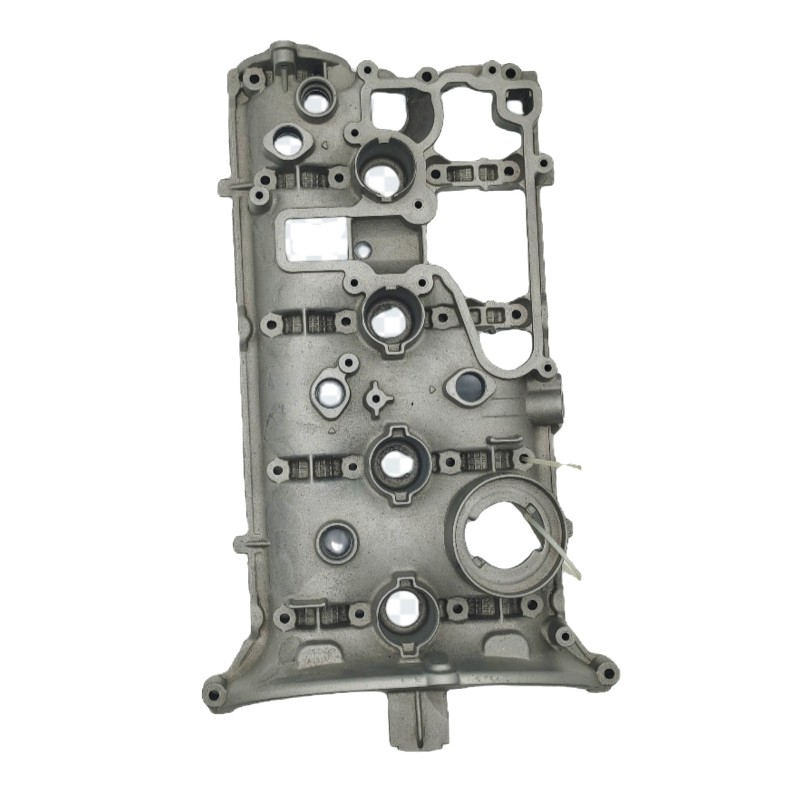
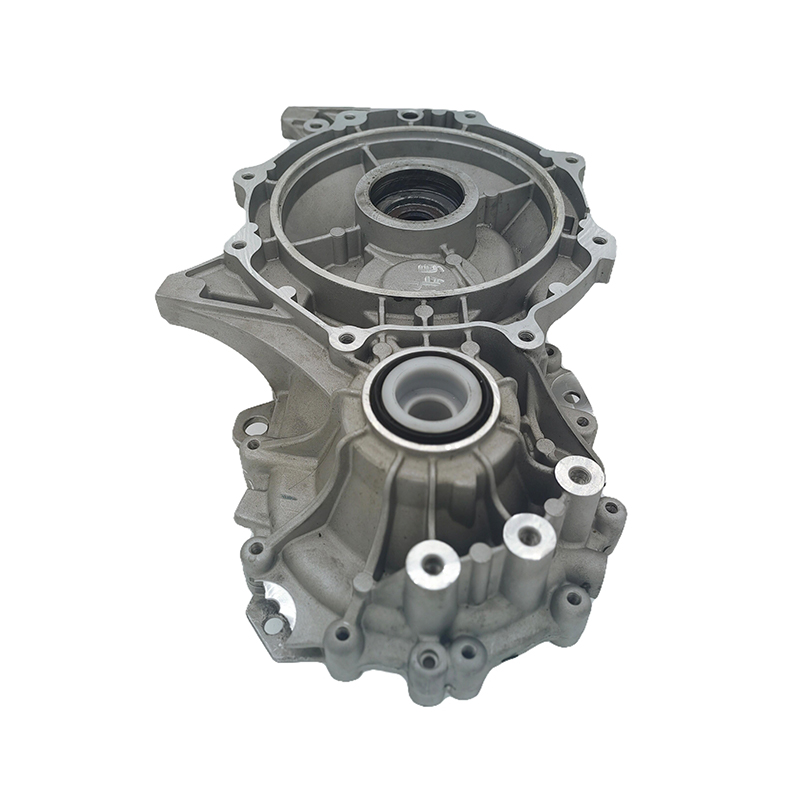
For automotive powertrain components, such as engine oil pans and transmission housings, the casting must be leak-tight, machinable, and resistant to vibration. A380 is often the starting alloy, but A383 provides better fluidity when walls are thin and cooling channels are complex. Both require careful die design to control shrinkage and porosity.
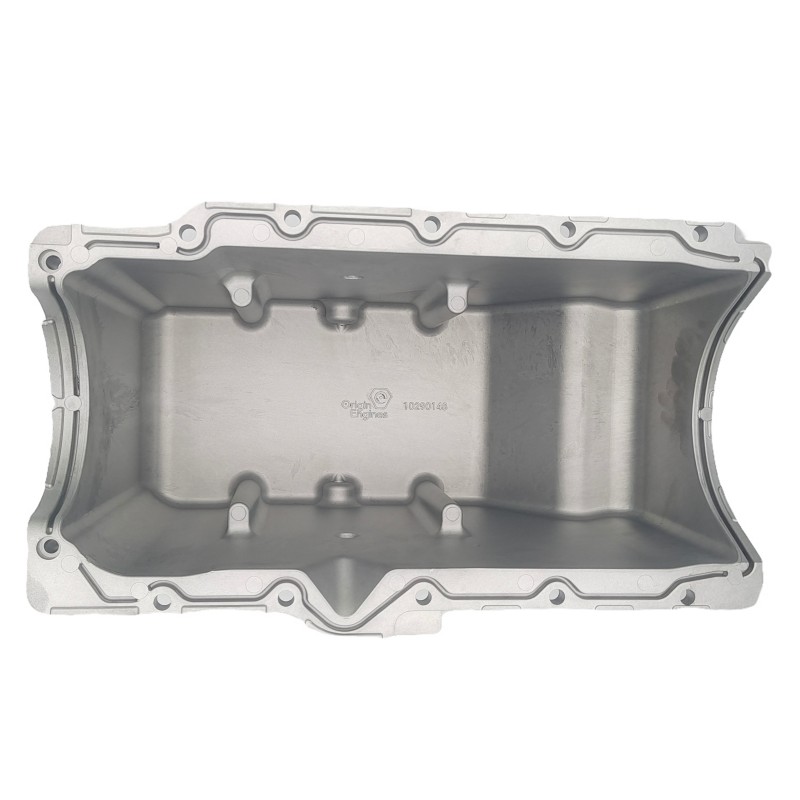 Aluminum Alloy Oil Pan Die Casting for Automotive EnginesThis die-cast oil pan offers lightweight construction and efficient heat dissipation, making it a robust choice for engine systems. Its corrosion-resistant, high-durability design fits well with powertrain components requiring leak-tight, machinable parts.View Product →
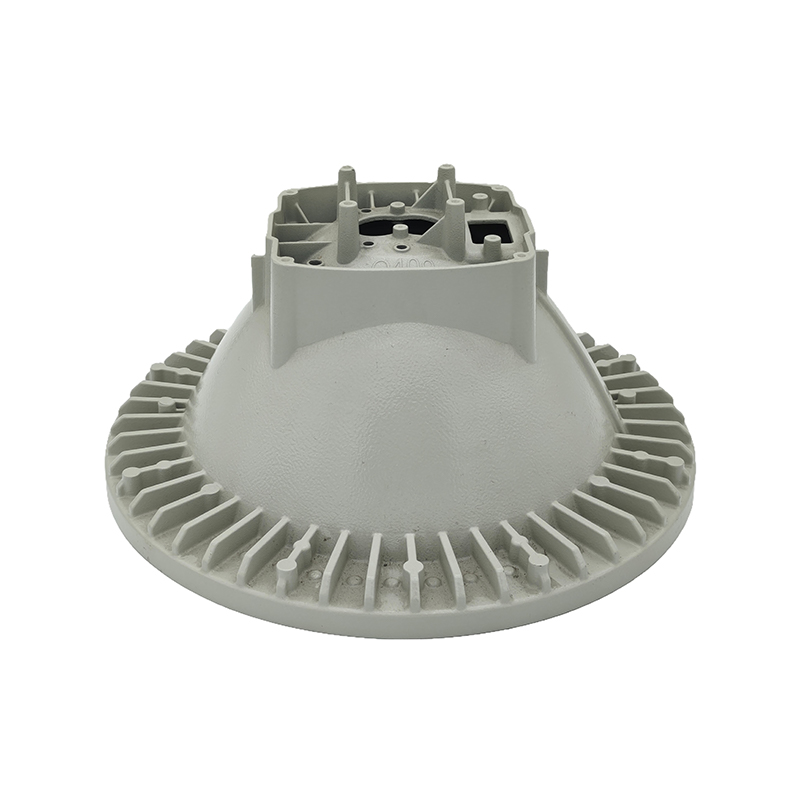
Communication equipment, including base station housings and radar housings, needs dimensional stability and efficient heat transfer. High silicon alloys such as A413 are preferred for these applications because they produce dense, pressure-tight castings with smooth surfaces. Thermal conductivity and stiffness are decisive when the housing also acts as a heat sink.
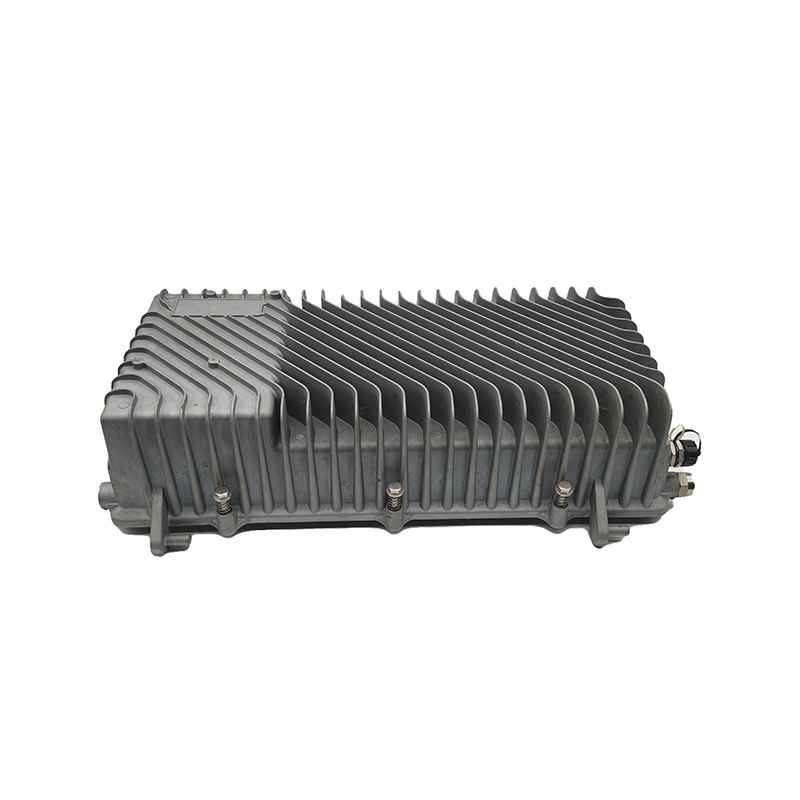 Die Cast Base Station Housing for Communication EquipmentIdeal for communication housings, this die casting is made from high silicon alloys, ensuring pressure-tight and dimensionally stable parts. Its smooth surface and thermal conductivity aid heat sink applications, meeting the demands of base station enclosures.View Product →
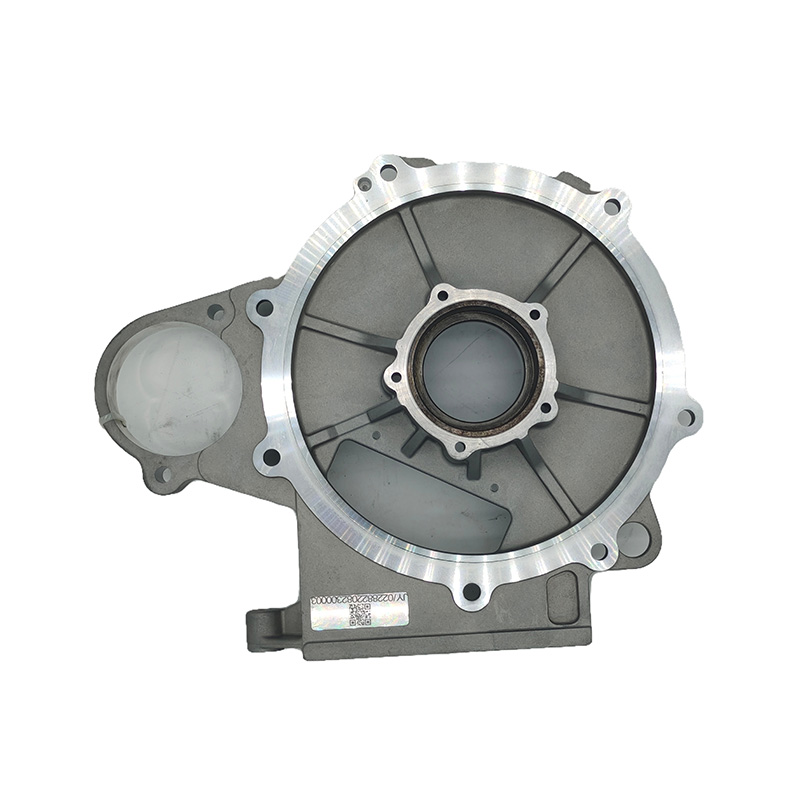
New energy vehicle electronic control systems and electric drive housings require lightweight structures with excellent thermal management. A360 or ADC12, depending on the part and local standard, are used to create components with intricate internal passages. CNC machining is typically required to hold the tight tolerances and sealing faces these parts need.
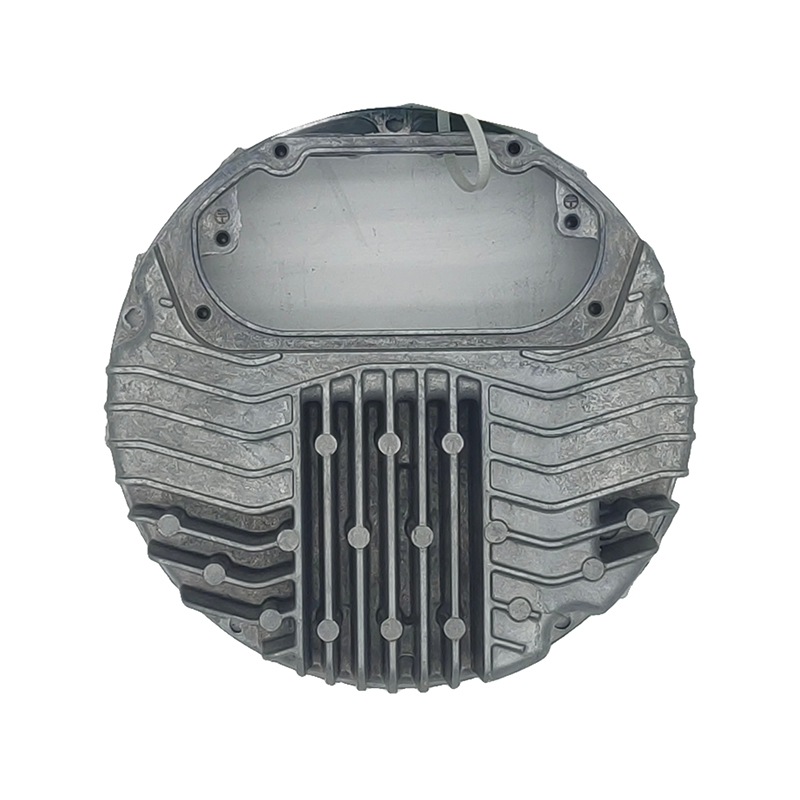 CNC Machined Die Casting for EV Electronic Control SystemsThis die casting for EV electronic control systems combines lightweight design with excellent thermal management. Precision machining ensures tight tolerances and sealing faces, supporting reliable operation in power-dense electronic control units.View Product →
Practical Considerations for Procurement and Part Design
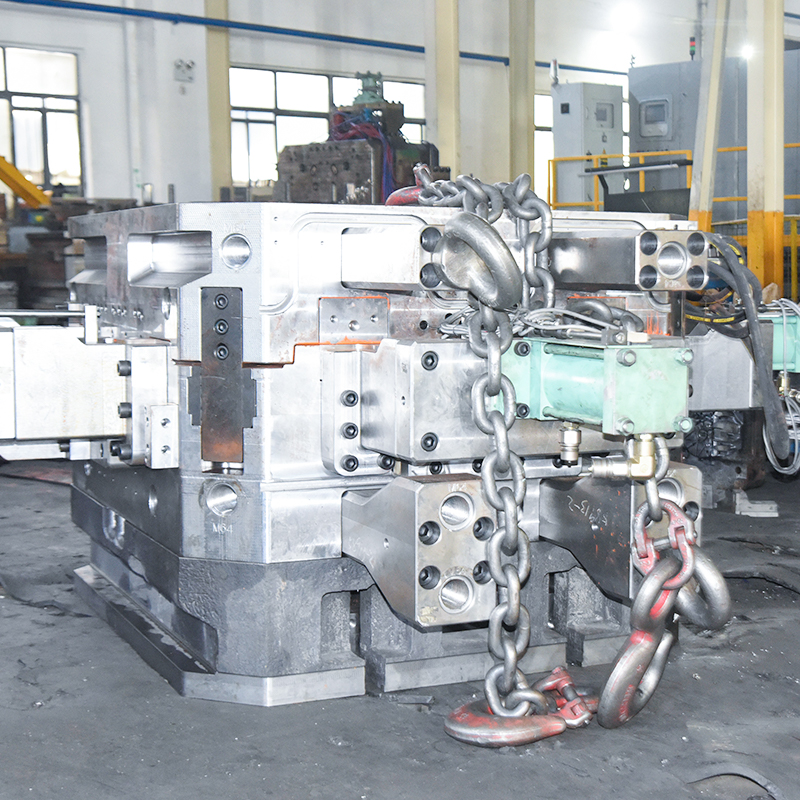
When requesting a quote, disclose the functional requirements rather than only a material name. The final part may need secondary operations like CNC machining, powder coating, or chromating. Alloy chemistry directly influences how the part responds to these processes. Our in-house die casting mould development capability helps adjust draft angles, ejector pin locations, and gate systems, which are critical to avoid hot spots and porosity.
Surface treatment interactions are often the last thing that gets discussed, but they can generate the highest cost. Refer to this guide to post-processing techniques for die cast parts to align alloy choice with the intended finish and tolerance.
Ultimately, the right aluminum casting alloy is the one that delivers the required performance at the lowest total cost. Share the load conditions, operating temperature, corrosion environment, and finish expectation with your die caster. A knowledgeable supplier will translate these inputs into a specific alloy recommendation and validate it through tooling trials and first article inspection, giving you a repeatable casting rather than a misleading brochure spec.




 1 Building No.1 No.226. Tiantaishan Road, Daqi street. Beilun District, Ningbo City, Zhejiang Province, China
 +86-15967858563
