
 English
 Español
 Deutsch
 русский
If you have ever stood beside a die casting machine during a trial run, you know the feeling: the tooling is ready, the parameters look reasonable, and yet the first shots tell you whether the alloy you picked was the right one. Die casting alloys are not an afterthought in that process. They are the starting point that decides how the metal fills the cavity, how the part behaves as it cools, how easily it can be machined and finished, and how long the mould survives.
This guide walks through the alloy families used in high-pressure die casting, what each one does well, and how we usually help customers narrow the choice down to something that holds up in production rather than only on paper.
What a Die Casting Alloy Actually Is
A die casting alloy is a base metal, most often aluminium, zinc or magnesium, combined with measured amounts of other elements so that it suits casting rather than rolling, forging or extrusion. Pure aluminium, for instance, is not a realistic high-pressure die casting material. It does not flow well enough at the speed the process demands, and it does not deliver the dimensional consistency a production part needs.
Why the alloying elements matter
Silicon is the element that gives aluminium its casting character. It improves fluidity, reduces shrinkage and helps thin walls fill cleanly. Copper raises strength and hardness, particularly at elevated temperatures, but it reduces ductility and corrosion resistance. Magnesium increases strength and improves machinability, though it makes the melt more sensitive to oxidation. Iron is added deliberately in small amounts to stop molten aluminium from welding itself to the die steel, a defect known as soldering; too much iron, however, forms brittle platelets that hurt both ductility and tool life.
High-pressure die casting is unforgiving in a particular way. Metal is pushed into the cavity in milliseconds and then solidified under pressure. An alloy that flows slightly sluggishly, or that sticks to the die surface, shows up as cold shuts, misruns, porosity or a tool that has to be pulled for polishing far more often than anyone planned for. That is why alloy selection and die design have to be considered together from the first conversation.
The Main Die Casting Alloy Families at a Glance
Four families cover the vast majority of high-pressure die casting work. Each has a different balance of castability, mechanical properties, weight, corrosion behaviour and cost.
| Alloy family | Typical grades | What it does well | Where it struggles | Typical parts |
|---|---|---|---|---|
| Aluminium | A380, ADC12, A383, A360, A413, B390 | Best all-round balance of strength, weight and castability; excellent thermal conductivity; handles complex thin walls | Lower wear resistance than zinc in some grades; sensitive to soldering and porosity if iron and copper are poorly balanced | Engine covers, oil pans, e-drive housings, base station housings, brackets |
| Zinc | Zamak 3, Zamak 5, ZA-8, ZA-12 | Outstanding castability, very thin walls, tight tolerances and a good as-cast surface; long die life thanks to low melting point | Heavier than aluminium and magnesium; loses strength faster at elevated service temperatures | Small precision housings, furniture fittings, hardware, decorative components |
| Magnesium | AZ91D, AM60, AM50 | Lightest structural option; good damping and machinability; useful where weight is the deciding factor | Requires careful melt protection; corrosion control normally depends on a coating system | Portable devices, lightweight structural parts, two-wheeler components |
| Copper-based | Brass and bronze grades | High electrical and thermal conductivity; strong wear resistance | Higher melting range shortens die life; generally not suited to hot-chamber machines | Connectors, valve bodies, pump and impeller parts |
| Tin and lead | Specialty low-melt grades | Very low melting point, easy filling, excellent dimensional stability | Low strength; lead-bearing grades face material restrictions in many markets | Specialised low-load and precision components |
The table is a starting point rather than a specification. Two parts with almost identical geometry can end up on different alloys simply because one has to pass a salt-spray test and the other has to survive a machining operation with a tight flatness requirement.
Aluminium Alloys: The Workhorse of the Family
Aluminium dominates high-pressure die casting for good reasons: it is light, it conducts heat well, it takes a wide range of surface treatments, and the raw material supply is mature and predictable. Within the family, though, the differences matter more than most people expect.
A380, ADC12 and the general-purpose grades
A380 and its close relative ADC12 are the default choice for a large share of structural and enclosure parts. They combine good fluidity, respectable strength and reasonable cost, and they machine predictably. When a customer sends us an engine cover, an oil pan, a transmission component or a control-system housing, A380 or ADC12 is often where the conversation starts.
A360, A383, A413 and B390: when something more specific is needed
A360 offers noticeably better corrosion resistance, which makes it a sensible candidate for parts exposed to moisture, road salt or coastal air, and for components that will be anodised. A383 and similar grades are chosen for intricate geometry where resistance to hot cracking matters more than maximum strength. A413, with a higher silicon content, fills very thin sections well but gives up some mechanical performance. B390 is the wear-resistant option, used where a part has to resist sliding contact rather than simply carry load.
Zinc, Magnesium and Copper-Based Alloys
Zinc alloys
Zinc is the most castable of the common families. Its low melting point is kind to tooling, which translates into longer die life, and it reproduces fine detail and thin walls with an as-cast surface that often needs no further preparation. The trade-offs are weight and elevated-temperature performance: zinc parts are heavier than aluminium equivalents and can lose strength under sustained heat, so they suit small precision housings, fittings and hardware rather than large structural components.
Magnesium alloys
AZ91D and the AM series are chosen when weight is the dominant requirement. Magnesium is roughly two thirds the density of aluminium, machines quickly and damps vibration well. It is also more demanding in the foundry, since the melt needs protection against oxidation, and most magnesium parts rely on a coating for long-term corrosion resistance.
Copper, tin and lead alloys
Copper-based alloys such as brass and bronze are selected for conductivity and wear resistance, which is why they turn up in connectors and pump components even though the higher melting range shortens die life. Tin and lead alloys occupy a smaller niche where a low melting point and dimensional stability outweigh strength.
How to Choose the Right Die Casting Alloy
When a drawing arrives, we work through a fairly consistent sequence. It is not a formula, but it keeps the decision grounded in the part rather than in habit.
- Start with the function, not the metal. Loads, operating temperature, sealing requirements, conductivity needs and weight targets all come first.
- Match wall thickness and geometry to fluidity. Very thin walls and long flow paths push you toward higher-silicon aluminium or zinc.
- Check the service environment. Salt spray, humidity and chemical exposure point toward A360 or a protective coating.
- Think about the finishing route early. Anodising prefers low copper and iron content, while plating is far easier on zinc.
- Confirm machinability and secondary operations. Threading, boring and sealing faces all depend on the alloy's hardness and porosity behaviour.
- Compare total cost, not alloy price. Scrap rate, cycle time, die life and finishing yield usually move the number more than the metal itself.
- Validate with a trial. A short run on the actual tool is the only reliable way to confirm that the alloy and the process agree with each other.
Where Alloy Choice Shows Up in Real Parts
Electric drive housings are a good illustration. They need thin, complex walls, good dimensional accuracy around bearing seats and cooling channels, and enough thermal conductivity to help manage heat. That combination usually lands on a well-controlled aluminium grade, followed by precision machining to hold the tolerances that the assembly demands.
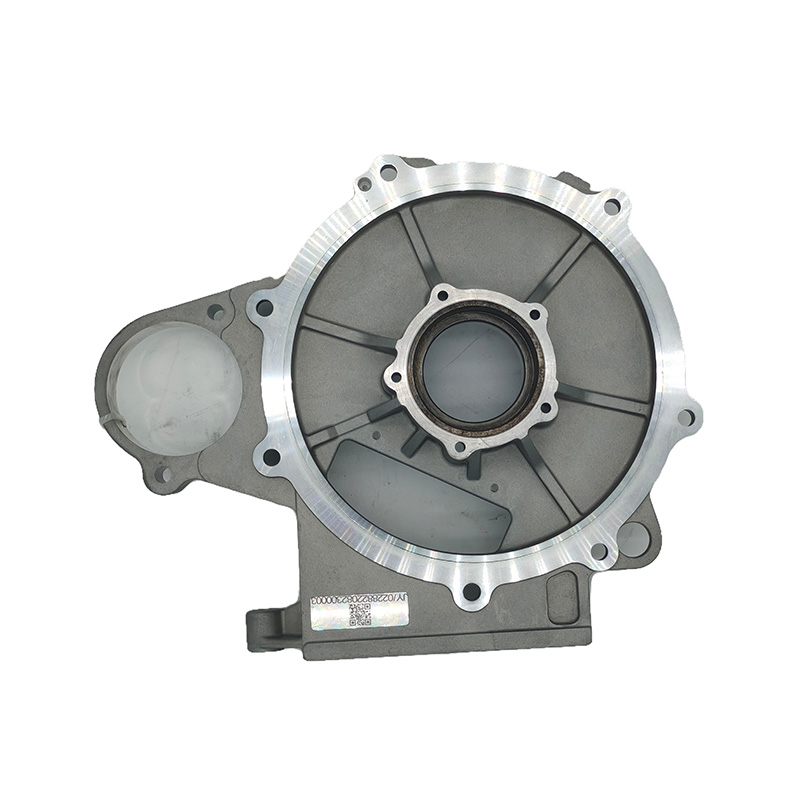 Aluminum Die Casting for Electric Drive SystemsHigh-pressure aluminum die casting for NEV electric drive components, with dimensional precision and thermal conductivity for housings that need thin walls and cooling features.View Product →
Motor housings follow a similar logic but with more emphasis on concentricity and surface quality after machining. Here the alloy has to cast cleanly around cooling ribs and mounting bosses, then hold up under CNC operations that remove a fair amount of material without introducing distortion.
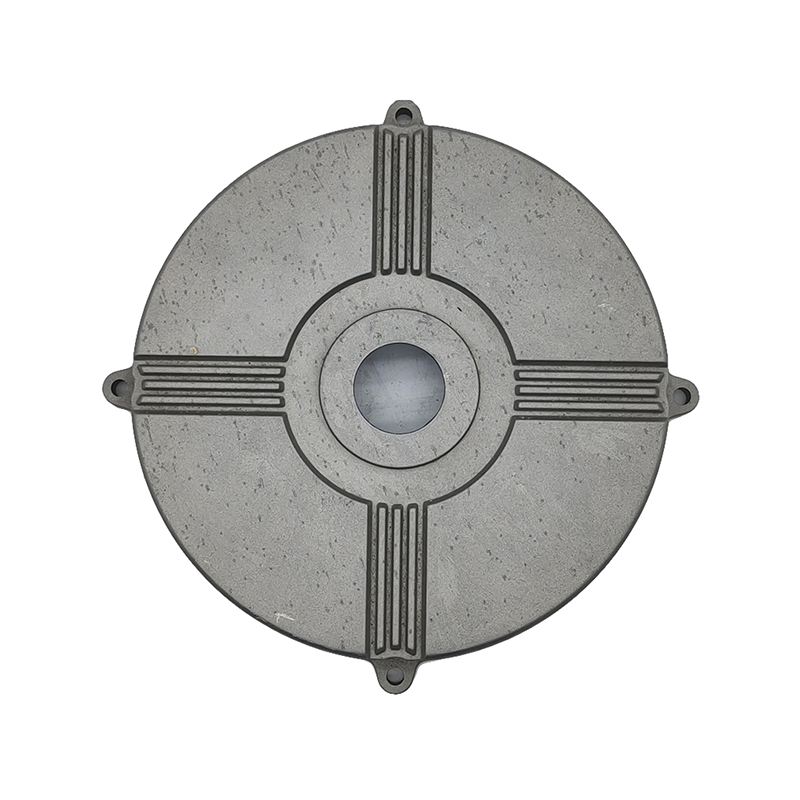 Aluminum Motor Housing Die Casting and CNC MachiningMotor housing die castings for industrial, automotive, and appliance motors, suited to post-machining where concentricity and surface quality matter.View Product →
In both cases, the alloy decision and the tooling decision are made together. Changing the grade after the mould is cut is expensive, so it is worth spending the extra week at the start to get the material right.
Tooling, Machining and Finishing: Decisions That Follow the Alloy
Every alloy family places different demands on the mould. Zinc's low melting point allows very long tool life and fine detail. Aluminium runs hotter and is more prone to soldering, so die steel selection, cooling layout and surface treatment all become part of the material decision. Our die and mould manufacturing work therefore starts from the alloy and the part geometry rather than from a standard block layout.
Secondary operations matter just as much. A part that will be anodised needs a different melt chemistry than one that will simply be powder coated, and porosity that sits just below a machined surface can turn a good casting into a rejected component. Material research keeps moving in this direction, and if you want a sense of where aluminium grades are heading, our notes on new breakthroughs in aluminum alloy materials are a useful read.
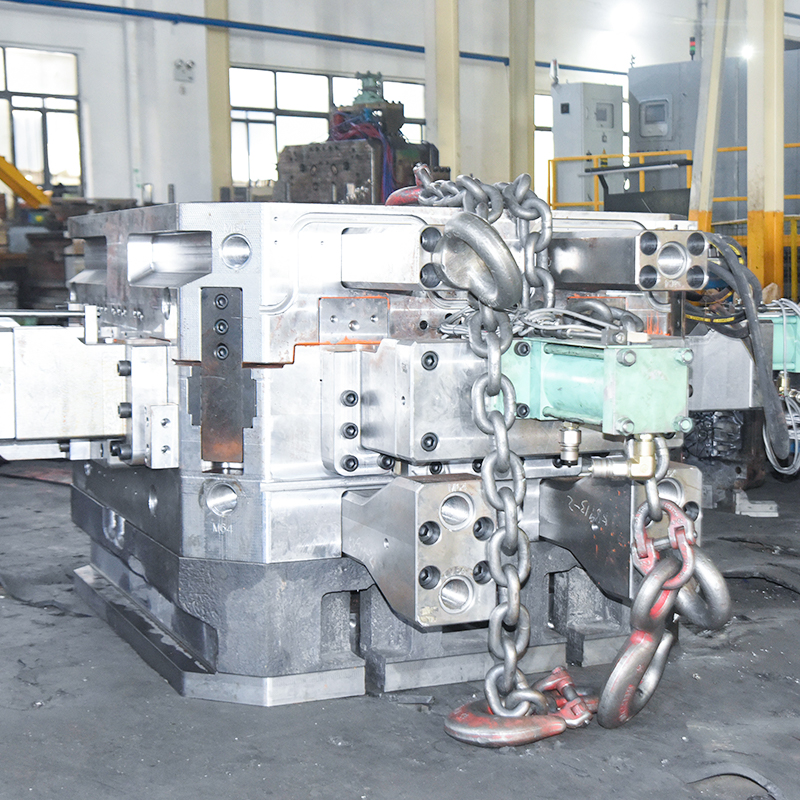 Aluminum Die Casting Mold Design and ManufacturingHigh-precision die casting mold design and manufacturing, using H13 or DIEVAR steel and CNC processes for complex, durable production tooling.View Product →
In practice, this means a single supplier who understands both the alloy and the tool gives you a shorter path from drawing to a stable production part, with fewer surprises in between.
Frequently Asked Questions
Is die cast aluminium as strong as a machined steel part?
Not in absolute terms, and it is usually not meant to be. What die cast aluminium offers is a better strength-to-weight ratio, far lower machining cost at volume and the ability to form complex geometry in a single shot. For many housings and brackets, that combination outperforms a heavier steel alternative.
Can one alloy cover several different parts?
Often yes, and there are real advantages in doing so: shared melt chemistry, fewer material changes and simpler quality control. But if one part is exposed to salt spray and another has to survive a high-wear application, forcing them onto the same grade usually costs more than it saves.
Do die casting alloys need heat treatment?
Most high-pressure die castings are used in the as-cast condition, because the entrained gas in the part makes high-temperature heat treatment risky. When better mechanical properties are needed, the usual route is a carefully controlled low-temperature treatment combined with process adjustments rather than a full solution treatment.
Alloy selection rewards patience. It is one of the few decisions in a die casting project that is cheap to change early and expensive to change late, and the right answer almost always comes from the application itself: what the part has to do, where it has to live and how it will be finished. If you are weighing two grades for a new component, bring us the drawing and the working conditions. That is usually enough for us to point you toward a sensible starting point, and to tell you honestly where the trade-offs sit.


 1 Building No.1 No.226. Tiantaishan Road, Daqi street. Beilun District, Ningbo City, Zhejiang Province, China
 +86-15967858563

