
 English
 Español
 Deutsch
 русский
Having spent decades in the precision metal casting industry, I’ve seen firsthand how the right equipment determines the quality of every component that leaves the shop floor. Among the various technologies we rely on, the cold chamber die casting machine stands out as the workhorse for high‑melting‑point alloys—especially aluminum. Whether you’re sourcing engine brackets, communication housings, or electric drive components, understanding this machine’s capabilities is essential for making informed decisions about your supply chain.
What Is a Cold Chamber Die Casting Machine?
A cold chamber die casting machine is a type of metal‑forming equipment designed specifically for alloys that have a high melting point—aluminum, magnesium, and copper alloys being the most common. Unlike its hot chamber counterpart, the cold chamber machine keeps the melting furnace separate from the injection system. Molten metal is ladled into a shot sleeve, and then a hydraulic plunger forces the metal into a steel die at extremely high pressures—typically between 10,000 and 20,000 psi.
This design prevents the injection mechanism from being constantly immersed in molten metal, which would cause rapid wear when working with aluminum or magnesium. At our facility, we rely on cold chamber machines for nearly all our die casting mould production runs, because they deliver the repeatability and strength that our customers demand.
Key Components of a Cold Chamber Machine
To appreciate how a cold chamber die casting machine produces intricate, high‑strength parts, it helps to understand its core components:
- Shot Sleeve and Plunger: The shot sleeve is a cylindrical chamber where molten metal is poured. A hydraulic plunger then advances, pushing the metal into the die cavity. The plunger’s speed and pressure can be finely tuned to control fill patterns and minimize porosity.
- Die (Mold): Typically made of tool steel, the die consists of two halves—the cover die (fixed) and the ejector die (movable). It defines the final shape of the part and includes cooling channels to regulate solidification.
- Ejector Pins: After the metal solidifies, ejector pins push the casting out of the die. Proper pin layout is critical to avoid distortion.
- Clamping Unit: This mechanism holds the die closed during injection. High clamping force is essential to counteract the injection pressure and prevent flash.
These components work together in a cycle that lasts anywhere from a few seconds to over a minute, depending on part size and wall thickness.
Why Aluminum Is the Preferred Material for Cold Chamber Die Casting
Aluminum offers an outstanding strength‑to‑weight ratio, excellent corrosion resistance, and good thermal and electrical conductivity. For cold chamber die casting, aluminum’s relatively low melting point (around 660 °C) makes it easier to handle than copper alloys, while still being far too aggressive for hot chamber machine components. The result is a cost‑effective process for producing lightweight yet durable parts.
We’ve seen aluminum cold chamber castings replace heavier steel assemblies in everything from automotive transmission housings to base station enclosures. The ability to integrally cast complex geometries—like oil galleries or mounting bosses—reduces the need for secondary machining and assembly. Our team regularly works with aluminum alloys such as A380, A383, and A360, each chosen to meet specific end‑use requirements for strength, ductility, or thermal performance.
Cold Chamber vs. Hot Chamber: A Practical Comparison
Choosing between cold and hot chamber die casting often depends on the material and production volume. The table below highlights the main differences from our experience on the production floor.
| Aspect | Cold Chamber | Hot Chamber |
|---|---|---|
| Common materials | Aluminum, magnesium, brass | Zinc, tin, lead, magnesium (low melting point) |
| Injection mechanism | Separate furnace, ladled into shot sleeve | Plunger immersed in molten metal |
| Typical pressures | 10,000 – 20,000 psi | 1,500 – 5,000 psi |
| Cycle speed | Slower (ladling step) | Faster |
| Tool life | Longer (less thermal cycling of injection components) | Shorter for high‑melting‑point alloys |
| Best suited for | High‑strength, large or complex parts | Small, thin‑wall parts with tight tolerances |
For any project requiring aluminum or magnesium, cold chamber is the clear choice. We’ve applied this process to produce customized aluminum die casting components for both ICE and NEV applications, confirming its versatility across different vehicle architectures.
Applications Across Industries
Cold chamber die casting machines serve a wide range of sectors. At our company, we’ve delivered components for:
Automotive (Traditional & New Energy)
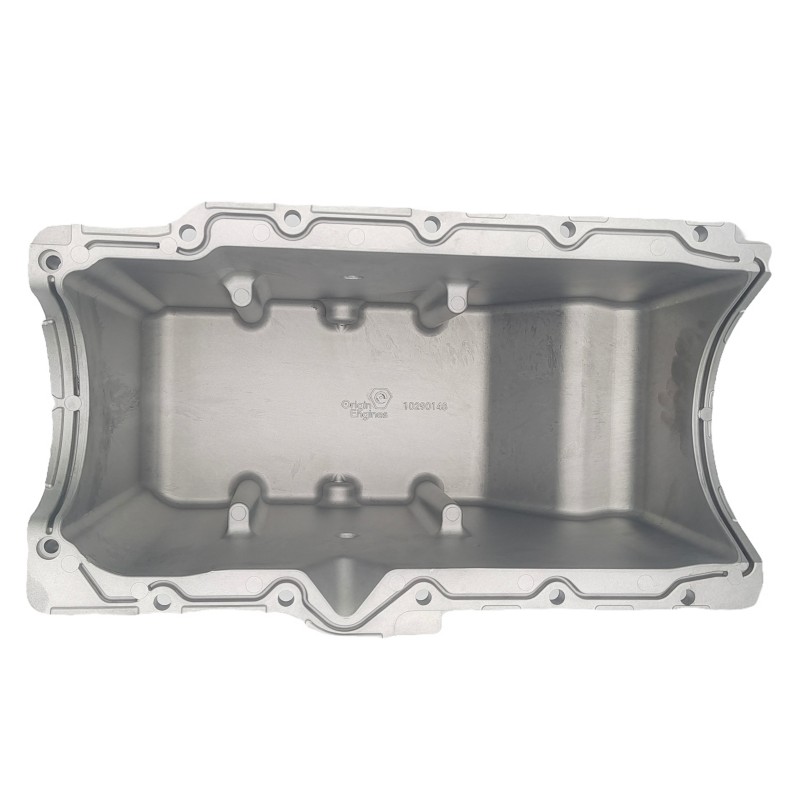
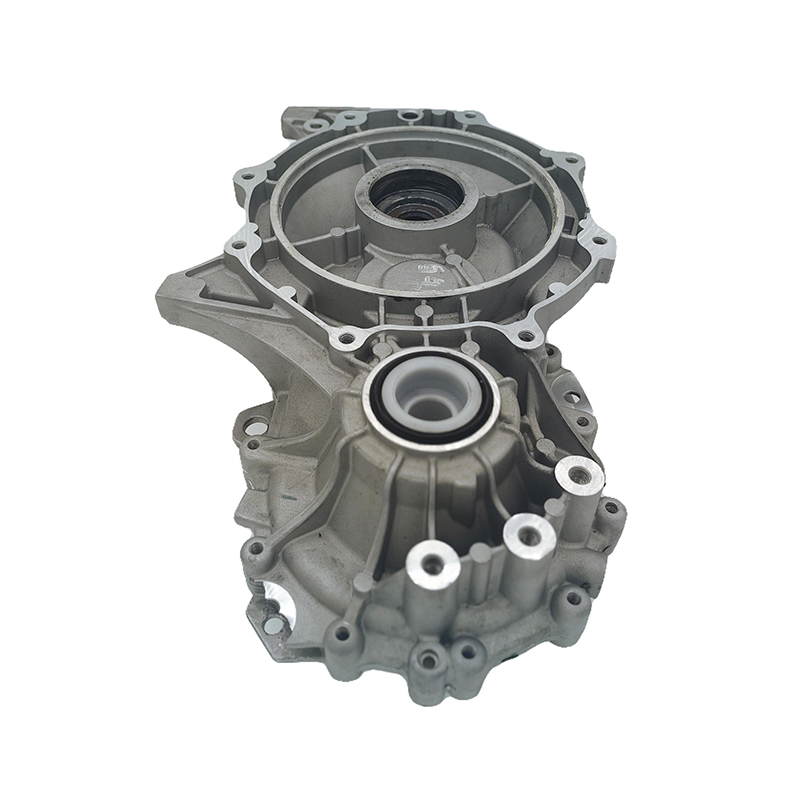
Engine systems, transmission cases, electric drive housings, and battery cooling components all benefit from the process’s ability to produce thin walls without sacrificing strength. One example is the high‑pressure die‑cast engine system integral cover, which consolidates multiple parts into a single casting, reducing assembly cost and weight.
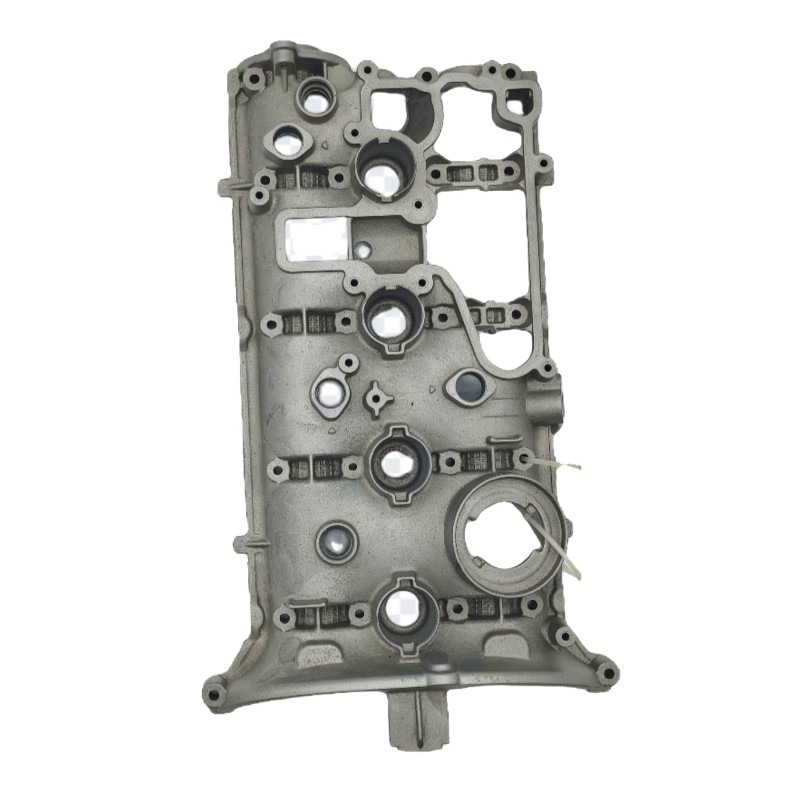 High Pressure Die Cast Engine System Integral CoverThis aluminum alloy engine cover consolidates multiple parts into one casting, reducing assembly cost and weight while providing lightweight, high-temperature resistance, and corrosion protection for modern engine systems.View Product →
Telecommunications
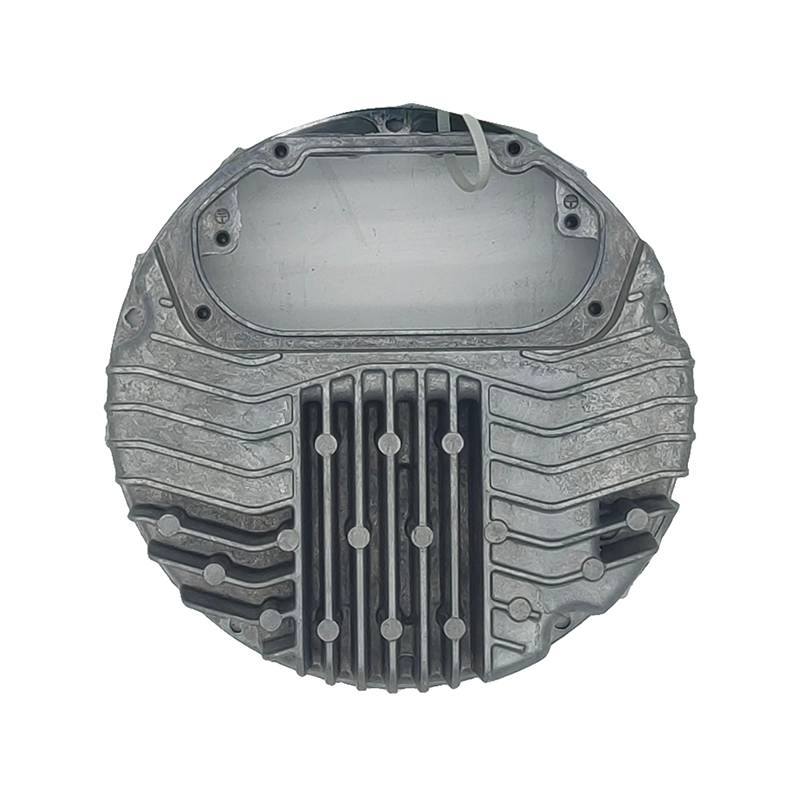
Base stations, radar housings, and signal transmission enclosures require precise heat dissipation and shielding. Cold chamber aluminum castings deliver the dimensional stability needed for these demanding applications.
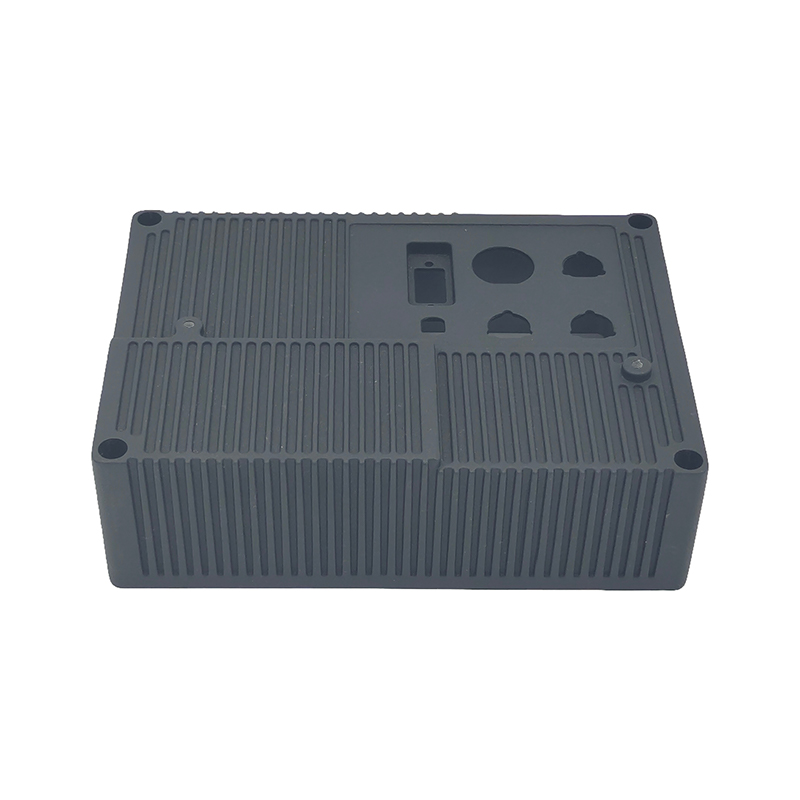 Cold Chamber Aluminum Radar Housing CastingsFor base stations and radar enclosures, these castings deliver the dimensional stability and precision required for heat dissipation and shielding in demanding applications.View Product →
New Energy Vehicles
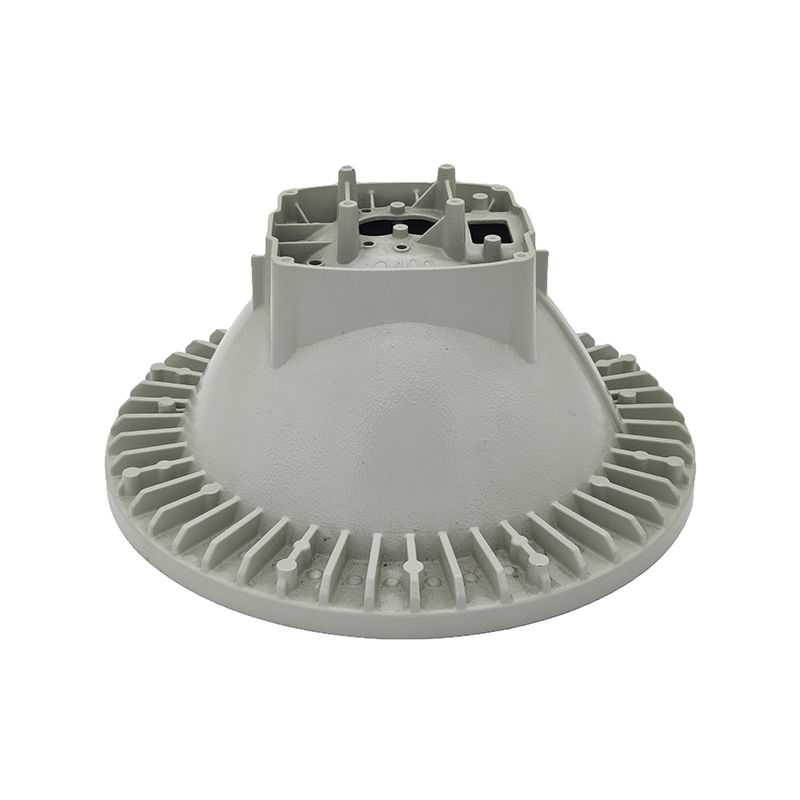
Electric drive and control system housings must withstand vibration and thermal cycling. Our cold chamber process ensures tight tolerances and excellent surface finish for these critical parts.
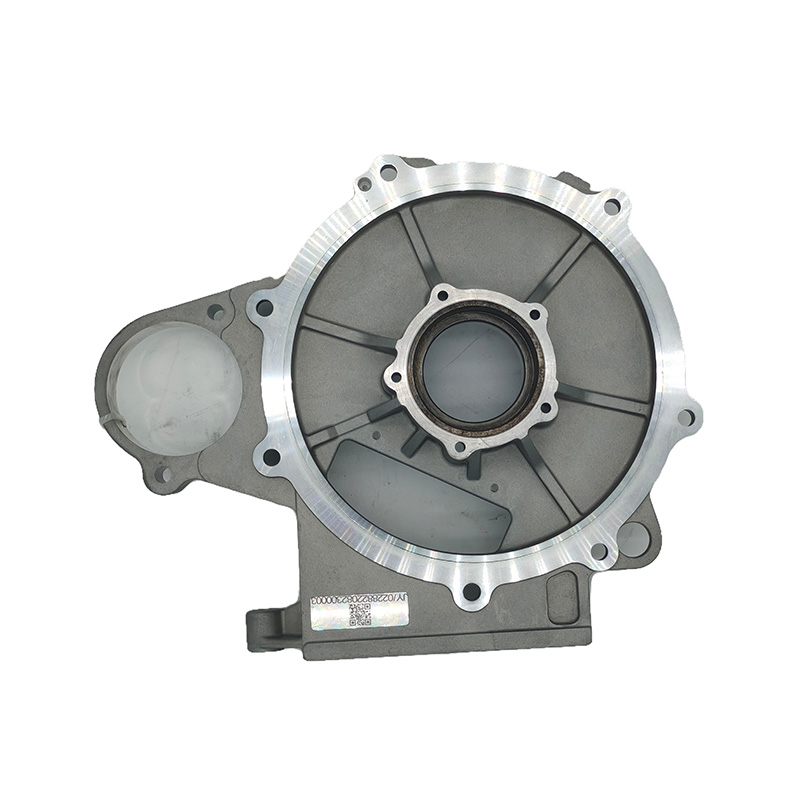 Aluminum Alloy Electric Drive System Die CastingUsed in NEV motor housings and control modules, this high-pressure die casting provides lightweight design, high heat dissipation, and precision for reliable performance under vibration and thermal cycling.View Product →
We also serve the lighting, engineering machinery, marine, and energy sectors—each with its own set of material and quality requirements. The common thread is the reliability of the cold chamber method for producing complex, high‑integrity aluminum castings.
Partnering with an Experienced Die Caster
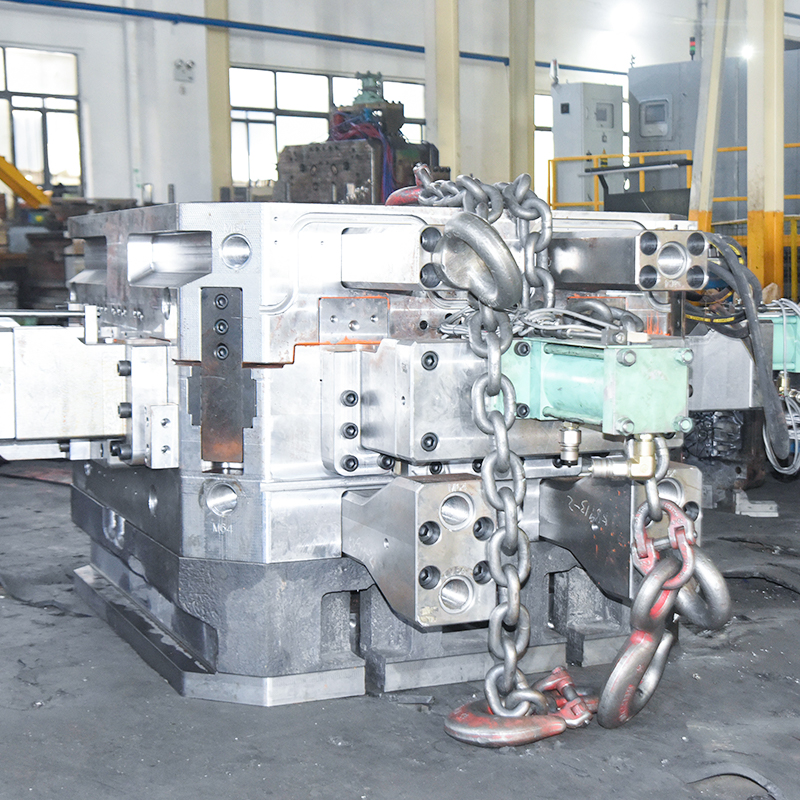
Choosing the right die casting partner is as important as choosing the correct machine. At Ningbo Jinyao Machinery, we combine in‑house mold manufacturing with cold chamber die casting and CNC finishing to provide end‑to‑end solutions. Our aluminum alloy high‑pressure die casting mold manufacturing capability means we can develop tooling that maximizes the machine’s potential—optimizing gate design, cooling, and ejection to reduce cycle time and improve yield.
Quality assurance is embedded in every stage, from incoming material inspection to final dimensional checks. We understand that your products rely on consistent, repeatable castings, and our cold chamber machines are calibrated and maintained to meet those expectations.
Whether you are developing a new vehicle platform, a 5G communication system, or an industrial enclosure, the cold chamber die casting machine remains the proven technology for producing strong, lightweight aluminum components at scale. By working with a partner who understands the nuances of this process, you gain not just a supplier, but a collaborator committed to your success.




 1 Building No.1 No.226. Tiantaishan Road, Daqi street. Beilun District, Ningbo City, Zhejiang Province, China
 +86-15967858563

