
 English
 Español
 Deutsch
 русский
Die casting has become the go-to manufacturing process for producing gearbox systems, offering a combination of precision, strength, cost-efficiency, and design flexibility. In this article, we will explore in detail why manufacturers should choose die casting for gearbox systems over other methods such as sand casting, machining, or forging. The unique advantages of die casting make it the ideal solution for producing high-performance, durable gearbox components.
1. Precision and Tight Tolerances
Consistent Dimensions and High Accuracy
One of the key advantages of die casting is its ability to produce parts with exceptional precision and tight tolerances. Gearbox systems require high-precision components to ensure smooth operation and avoid premature wear or mechanical failure. In traditional casting methods like sand casting, the process typically involves pouring molten metal into a mold, which can lead to inconsistencies in part dimensions and surface finish.
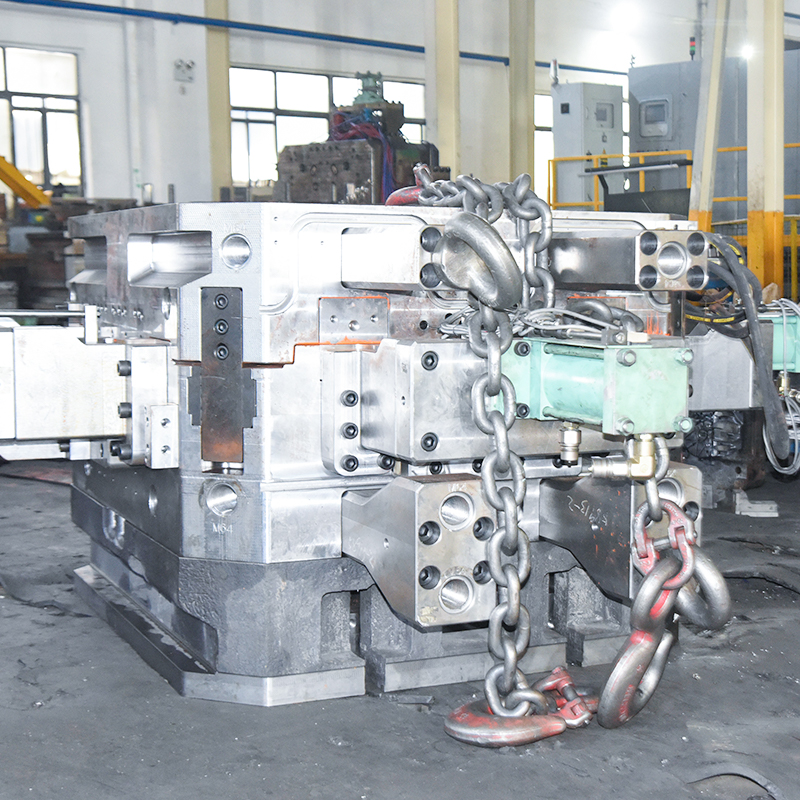
Die casting, on the other hand, forces molten metal into a steel mold under high pressure, ensuring that every part is produced with remarkable accuracy. The die casting process allows for more detailed control over the shape and dimensions of the component, which is especially important for gearbox parts that must align perfectly to function correctly. In fact, die casting can achieve tolerances as tight as ±0.05 mm, which is crucial for complex gearbox systems that involve numerous interconnected components.
Reduced Post-Processing
Because die casting creates components with such tight tolerances, the need for post-processing is significantly reduced. For gearbox systems, this means fewer machining steps are required to correct any dimensional inaccuracies, leading to shorter production times and lower costs.
2. Improved Strength and Durability
High-Pressure Solidification
Gearbox systems endure intense mechanical stresses, such as torque, vibration, and high temperatures. Components in the gearbox, like gears and housings, must be strong and durable to withstand these forces. Die casting is one of the best methods for achieving the strength required for gearbox systems.
The high-pressure injection of molten metal into a die cavity results in the solidification of metal under pressure, which compacts the material and increases its density. This leads to a stronger and more durable part than those produced by other casting methods. Compared to sand casting, which can have a more porous structure, die-cast parts have fewer defects and greater structural integrity.
Resistance to Wear and Fatigue
Die-cast components are less likely to wear or suffer fatigue compared to parts made using alternative methods such as machining. This durability is critical in gearbox systems, where parts are subjected to constant stress and friction. The solid, uniform grain structure of die-cast parts ensures superior resistance to wear, making them a reliable choice for long-term operation.
3. Cost-Effectiveness for High-Volume Production
Economies of Scale
One of the most significant advantages of die casting is its cost-effectiveness, especially when producing large volumes of gearbox components. The initial cost of setting up a die casting mold can be higher than methods like sand casting or forging. However, once the mold is created, the cost per part decreases substantially, making die casting highly efficient for mass production.
In comparison to machining, where each part must be individually cut and shaped, die casting allows manufacturers to produce a large number of parts quickly, reducing overall manufacturing costs. As the volume increases, the per-unit cost drops significantly, making die casting the optimal choice for high-volume production runs of gearbox systems.
Faster Production Time
Another cost-saving advantage is the speed at which die casting can produce parts. The process involves pouring molten metal into molds, where it solidifies in a matter of seconds. This rapid production time results in faster turnaround, allowing manufacturers to meet tight deadlines and fulfill large orders efficiently.
4. Complex Geometries and Design Flexibility
Intricate Part Designs
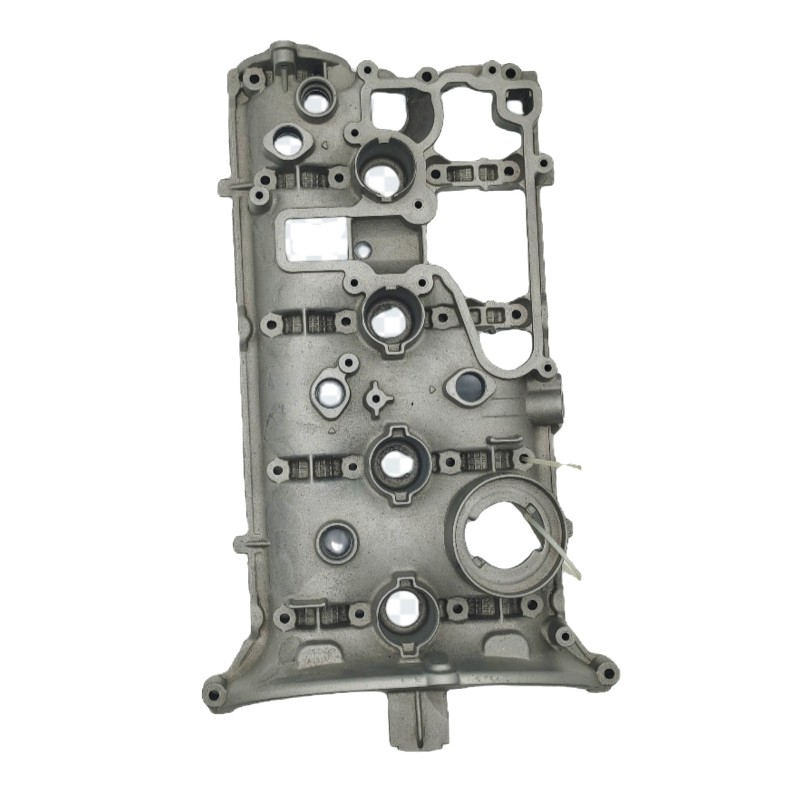
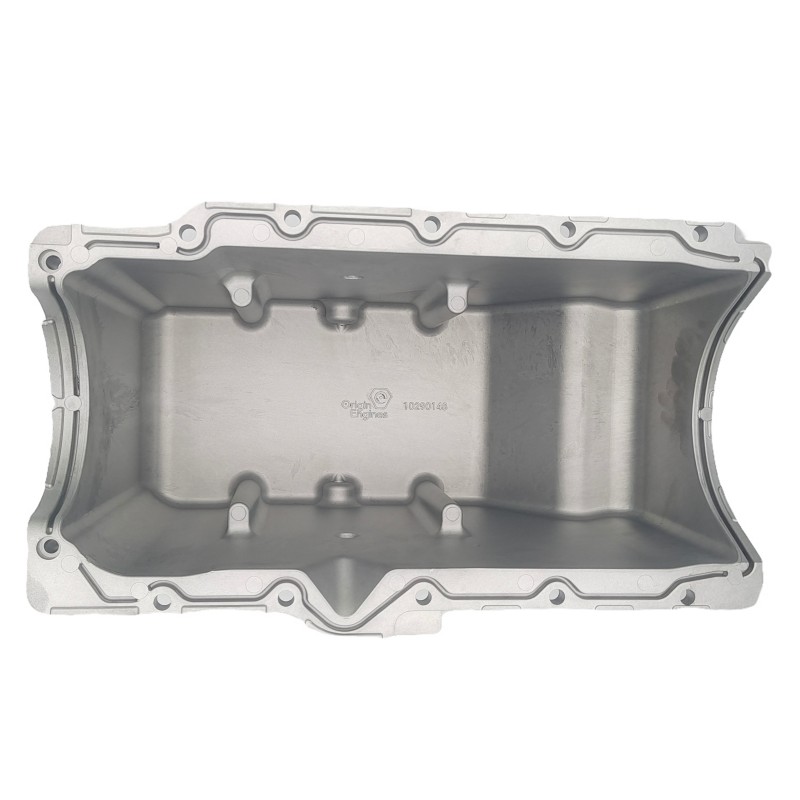
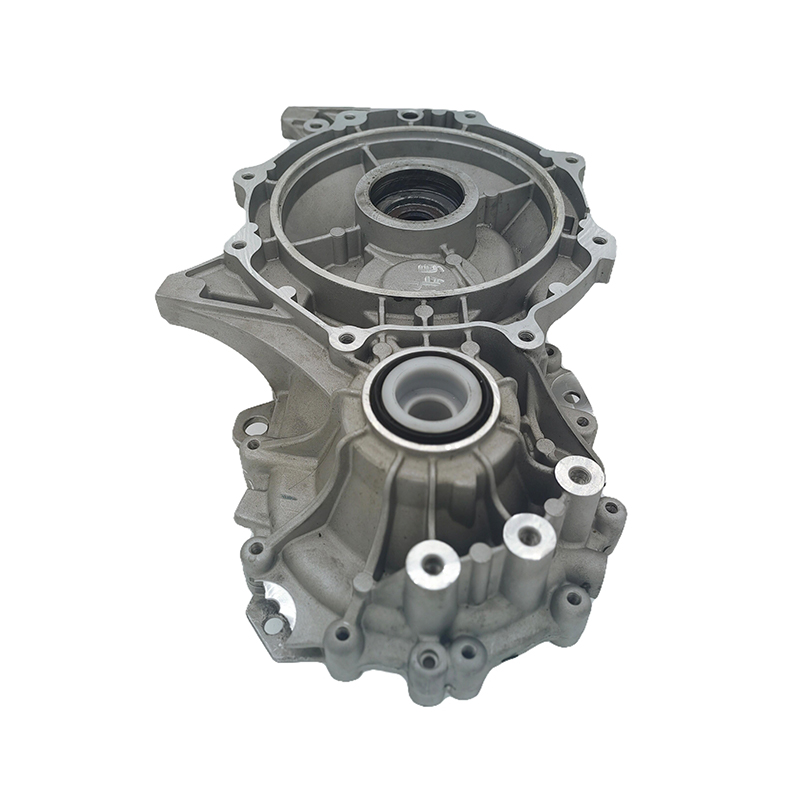
Gearbox systems often require complex geometries, especially when producing lightweight but strong components. Die casting stands out as a versatile manufacturing method that can easily accommodate these intricate designs. Components like internal cavities, thin walls, and complex shapes are all achievable with die casting, making it an ideal process for gearbox parts with unique features.
Traditional methods like forging or machining may struggle with producing such complex shapes without requiring extensive additional steps, which can increase costs and lead times. Die casting allows for the creation of highly detailed and customized designs, reducing the need for secondary operations and improving overall design flexibility.
Design Optimization
The design flexibility offered by die casting is not just limited to shape. Manufacturers can also optimize the material distribution within the part, minimizing the use of unnecessary material while maintaining strength and functionality. This optimization is particularly beneficial for gearbox systems, where minimizing weight without sacrificing strength is crucial for performance.
5. Material Variety and Customization
Wide Range of Materials
Die casting is compatible with a variety of metals, including aluminum, magnesium, zinc, and copper alloys, each offering distinct advantages. For gearbox systems, aluminum and magnesium are popular choices due to their light weight, strength, and resistance to corrosion. These materials help reduce the overall weight of the gearbox while maintaining durability and performance under stress.
The ability to choose the right material for specific applications gives manufacturers more control over the performance of gearbox components. For example, aluminum die casting is widely used in automotive gearboxes because it offers an excellent balance of strength, weight, and thermal conductivity.
Alloy Customization
Die casting also allows for alloy customization, meaning manufacturers can adjust the composition of the metal to meet specific performance requirements. If a gearbox system needs to withstand higher temperatures, for instance, alloys can be tailored to improve heat resistance. Similarly, if corrosion resistance is a priority, special coatings or alloy modifications can be used to enhance the component’s lifespan.
6. Faster Lead Times
Quick Prototyping and Production
In industries like automotive, where rapid product development is essential, die casting offers faster lead times compared to other methods like machining or forging. The speed of the die casting process means that prototypes can be produced quickly, and adjustments to designs can be made in a shorter time frame. This allows manufacturers to iterate on designs more efficiently and brings products to market faster.
Additionally, die casting molds can be reused for thousands of cycles, which further speeds up production and makes it an excellent choice for large-scale manufacturing.
7. Reduced Waste and Better Material Efficiency
Minimal Material Wastage
Traditional methods like machining often involve cutting away large amounts of material, which results in significant waste. In contrast, die casting is a near-net-shape process, meaning the components produced are very close to their final shape, with minimal excess material. This reduction in waste not only lowers material costs but also makes die casting a more sustainable manufacturing option.
Environmental Impact
The material efficiency of die casting reduces the need for raw materials, contributing to a lower environmental impact. With fewer resources required to produce a part, manufacturers can reduce their overall carbon footprint. This makes die casting a more environmentally friendly choice for producing gearbox systems, especially when large quantities are involved.
8. Consistency and Repeatability
Uniformity Across Production Runs
Die casting ensures high consistency across parts, with every piece being nearly identical in size, shape, and finish. This repeatability is vital in the production of gearbox systems, where each component must fit together precisely to function properly. Unlike processes like forging, which may vary from batch to batch, die casting delivers consistent results, ensuring high-quality gearbox components every time.
Quality Control
Because the die casting process is highly controlled, manufacturers can implement stringent quality control measures at every stage of production. The ability to consistently produce parts with minimal variations helps manufacturers maintain high-quality standards and reduces the likelihood of defects or failures in the final gearbox assembly.
9. Less Post-Processing
Smooth Surface Finish
Die-cast parts often come out of the mold with a smooth surface finish, reducing the need for additional machining or polishing. For gearbox systems, this can mean a reduction in the amount of time and labor required to prepare parts for final assembly. In contrast, components made by methods like forging or sand casting may require more extensive finishing work, which adds to production time and cost.
Reduced Labor Costs
By minimizing post-processing, die casting helps reduce the overall labor costs associated with producing gearbox components. With fewer steps required to achieve the final product, manufacturers can produce parts faster, with less manual intervention.
10. Better Integration with Automation
Automation in Die Casting
Die casting is highly compatible with automated manufacturing systems, which can further enhance production efficiency and reduce labor costs. Automated machines can be used to control the injection of molten metal, monitor the cooling process, and handle the parts once they are ejected from the mold. This seamless integration with automation improves overall productivity and helps maintain consistent quality across large production runs.
Reduced Human Error
Automation helps reduce the potential for human error, ensuring that each part is produced to the same high standard. For gearbox systems, where precision is key, the reliability of automated die casting processes is a significant advantage.


 1 Building No.1 No.226. Tiantaishan Road, Daqi street. Beilun District, Ningbo City, Zhejiang Province, China
 +86-15967858563
