
 English
 Español
 Deutsch
 русский
In modern automotive and industrial applications, gearboxes play a critical role in transmitting power efficiently and reliably. Traditional gearbox components were often manufactured using sand casting, forging, or machined billet metals, which, while effective, present limitations in precision, weight, and material efficiency. The adoption of die cast components in gearbox manufacturing has significantly increased due to the combination of lightweight materials, superior dimensional accuracy, and high production efficiency.
Die casting enables manufacturers to create complex geometries with tight tolerances, which is crucial for gearbox housings where precise gear alignment is essential for smooth operation and minimal mechanical losses. This precision translates directly into better performance, lower noise, reduced vibration, and longer service life for both automotive and industrial gearboxes. Automotive gearboxes, in particular, benefit from reduced weight, which improves fuel efficiency and vehicle handling. In industrial machinery, die cast gearboxes enhance reliability under continuous operation, reducing downtime and maintenance costs.
Another significant advantage is the material selection available for die casting. Aluminum, magnesium, and zinc alloys are commonly used, offering a high strength-to-weight ratio, excellent corrosion resistance, and durability. These materials allow for lighter gearboxes without compromising mechanical performance, which is increasingly important for electric vehicles, heavy-duty industrial equipment, and high-speed machinery. The combination of material properties, precision, and production efficiency has driven the widespread adoption of die casting in modern gearbox design.
Advantages of Die Cast Gearbox Components
Precision and Consistency
One of the most compelling reasons for the shift to die cast components is precision and consistency. Gearboxes require extremely tight tolerances to ensure proper gear meshing, lubrication flow, and overall efficiency. Traditional sand casting can introduce dimensional variability, porosity, and surface roughness, which often necessitate additional machining and finishing operations. Die casting, on the other hand, produces components with high dimensional accuracy and uniform surfaces, reducing the need for secondary processing.
Reduced Assembly Errors and Maintenance
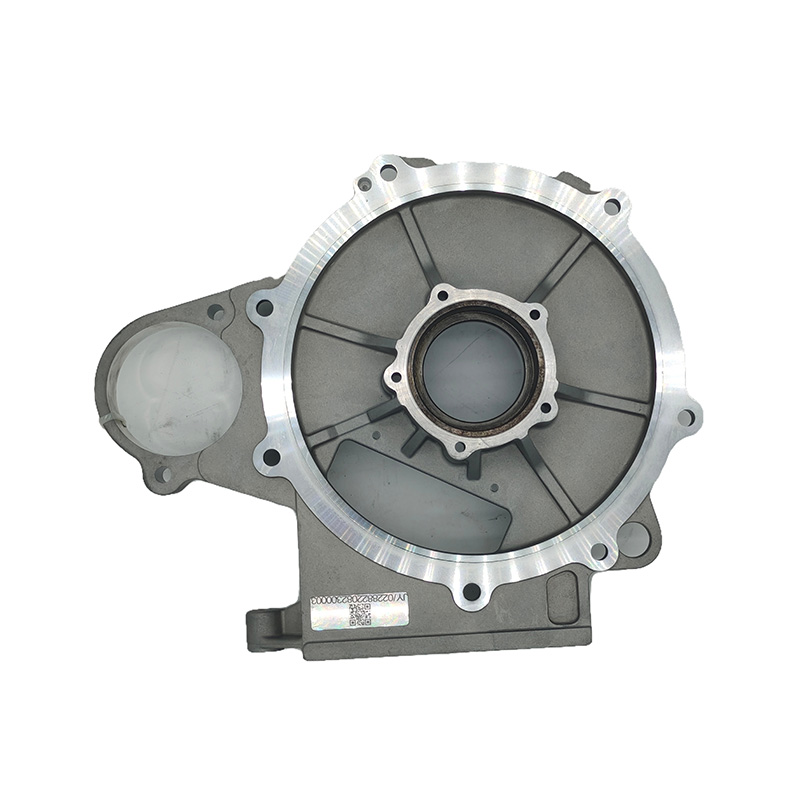
High-precision die cast gearbox housings help reduce assembly errors by ensuring that all mounting points, gear shafts, and bearing seats are accurately positioned. This precision minimizes misalignment, reduces vibration, and improves noise performance. As a result, both automotive and industrial gearboxes experience enhanced reliability and longer service life, lowering the total cost of ownership.
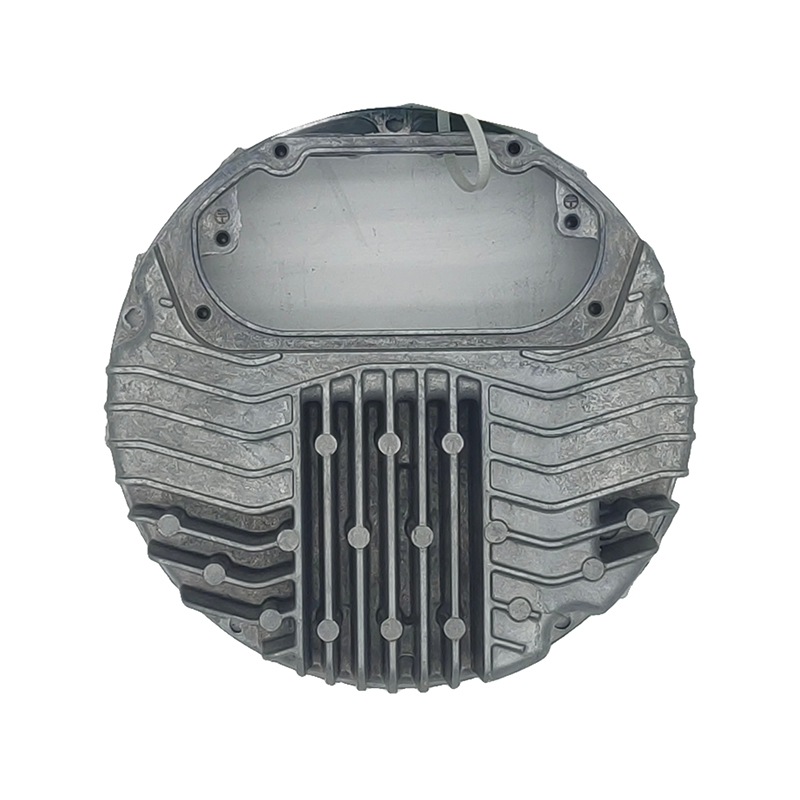
Moreover, die casting enables the integration of complex features, such as internal reinforcement ribs, cooling channels, and mounting bosses, without additional machining. This integrated design approach further reduces assembly time and ensures that gearboxes meet stringent performance standards in automotive and industrial applications.
Weight Reduction and Material Efficiency
Weight reduction is another major advantage of die cast gearbox components. Using aluminum and magnesium alloys allows manufacturers to create lighter housings without sacrificing strength or durability. For automotive gearboxes, reduced weight contributes to fuel efficiency, improved acceleration, and lower emissions, which are critical in meeting modern regulatory and environmental standards.
Industrial machinery also benefits from lighter gearboxes, as they are easier to handle, transport, and install. Lighter components reduce stress on supporting structures and minimize vibration, which extends the lifespan of the machinery.
Die casting is inherently material-efficient. Near-net-shape production minimizes scrap, reduces energy consumption, and decreases post-processing requirements. Compared to traditional methods, this efficiency contributes to lower manufacturing costs, faster production cycles, and improved sustainability.
Enhanced Heat Dissipation
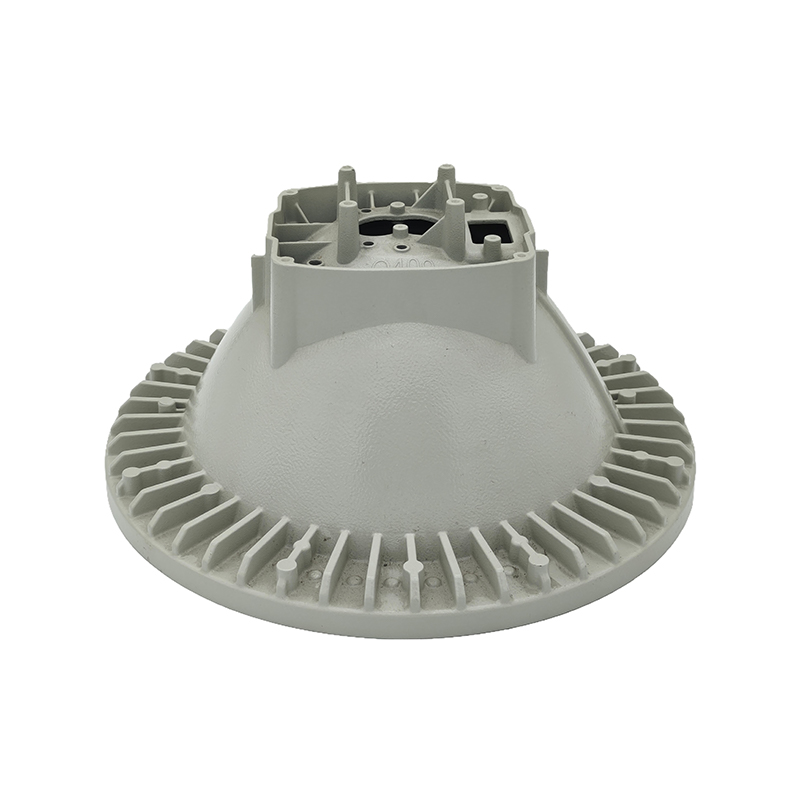
Die cast gearbox housings can be engineered with optimized ribbing and cooling channels to improve heat dissipation. Effective thermal management is crucial in both automotive and industrial gearboxes, where friction between gears generates significant heat. Excessive heat can degrade lubricants, increase wear, and reduce component life.
Die casting allows for complex internal designs that enhance airflow or fluid circulation within the gearbox, maintaining consistent operating temperatures and preventing thermal fatigue. Traditional casting methods may struggle to incorporate such features without expensive secondary machining. Consequently, die cast gearboxes exhibit better thermal stability, reliability, and efficiency during prolonged operation.
Durability and Mechanical Performance
Die cast components offer high strength, rigidity, and wear resistance, particularly when manufactured from advanced aluminum or magnesium alloys. These properties are essential for gearboxes subjected to high torque, dynamic loads, and continuous operation. The precision of die cast housings ensures that gears remain properly aligned under load, minimizing vibration and noise.
Furthermore, the uniformity of die cast materials reduces the likelihood of microstructural defects, such as porosity or inclusions, which can lead to premature failure. The combination of mechanical strength, dimensional accuracy, and thermal performance makes die cast gearboxes suitable for demanding applications in both automotive and industrial sectors.
Applications Driving the Shift to Die Cast Gearboxes
Automotive Industry
Modern vehicles, including electric vehicles (EVs) and high-performance cars, demand compact, lightweight, and highly reliable gearboxes. Die cast housings allow manufacturers to produce lightweight yet durable components with integrated features such as mounting points, cooling passages, and structural reinforcements.
These integrated features not only improve gearbox performance but also streamline production, reduce assembly errors, and lower manufacturing costs. Reduced component weight also contributes to better vehicle handling, increased payload capacity, and improved energy efficiency. As a result, die cast gearboxes are becoming the preferred choice for next-generation automotive transmissions, from manual gearboxes to advanced EV powertrains.
Industrial Machinery
In industrial applications, gearboxes often operate continuously under heavy loads, and reliability is paramount. Die cast housings provide the necessary strength, rigidity, and thermal stability to withstand demanding conditions. Industries such as material handling, robotics, wind energy, and manufacturing automation benefit from die cast gearboxes due to their enhanced durability, lower maintenance requirements, and precise operation.
The precision and consistency of die cast housings also enable machinery to operate quietly and efficiently, reducing operational disruptions and extending service intervals. Overall, die cast gearboxes improve performance while decreasing total cost of ownership for industrial equipment.
FAQ
Q1: Why are die cast components preferred in modern gearboxes?
Die cast components offer high precision, lightweight construction, better heat dissipation, and material efficiency, enhancing gearbox performance and reliability.
Q2: What materials are typically used for die cast gearbox components?
Aluminum, magnesium, and zinc alloys are most commonly used due to their strength-to-weight ratio, durability, and corrosion resistance.
Q3: How do die cast components improve automotive gearbox efficiency?
They reduce mechanical losses, improve thermal management, and lower overall weight, which enhances fuel efficiency, performance, and vehicle handling.
Q4: Are die cast gearboxes more cost-effective than traditional methods?
Yes. Die casting minimizes material waste, reduces machining and assembly costs, and allows near-net-shape production, lowering overall manufacturing expenses.
Q5: Can die cast gearboxes withstand heavy industrial loads?
Absolutely. With proper alloy selection and optimized design, die cast gearboxes are durable and reliable under high-torque, continuous-operation conditions.
References:
- Die Casting Engineer, “Advantages of Die Cast Gearbox Components in Automotive Applications,” 2022.
- ASM Handbook, Volume 15: Casting, 2021.
- Journal of Manufacturing Processes, “Die Casting for High-Performance Industrial Gearboxes,” 2020.
- SAE International, “Lightweight Gearbox Designs Using Aluminum Die Casting.”


 1 Building No.1 No.226. Tiantaishan Road, Daqi street. Beilun District, Ningbo City, Zhejiang Province, China
 +86-15967858563
