
 English
 Español
 Deutsch
 русский
What Are Electric Control System Die Castings?
Definition and Core Concept
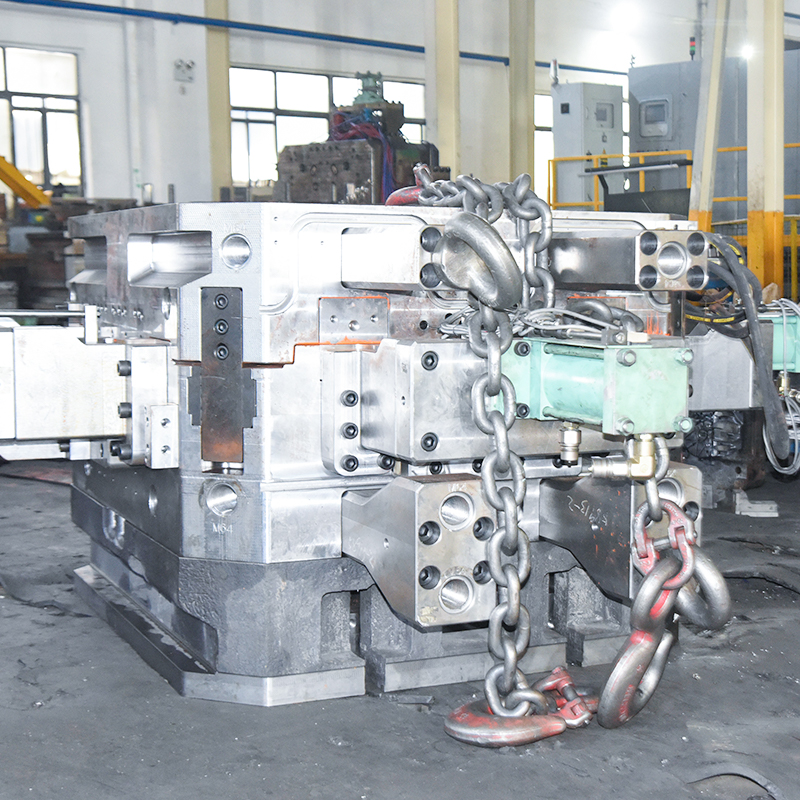
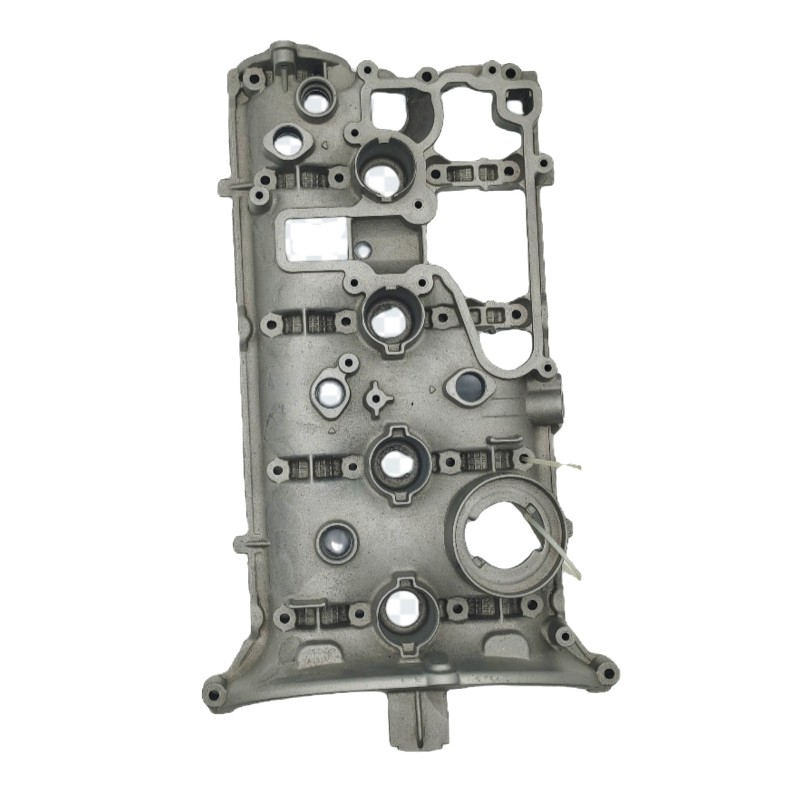
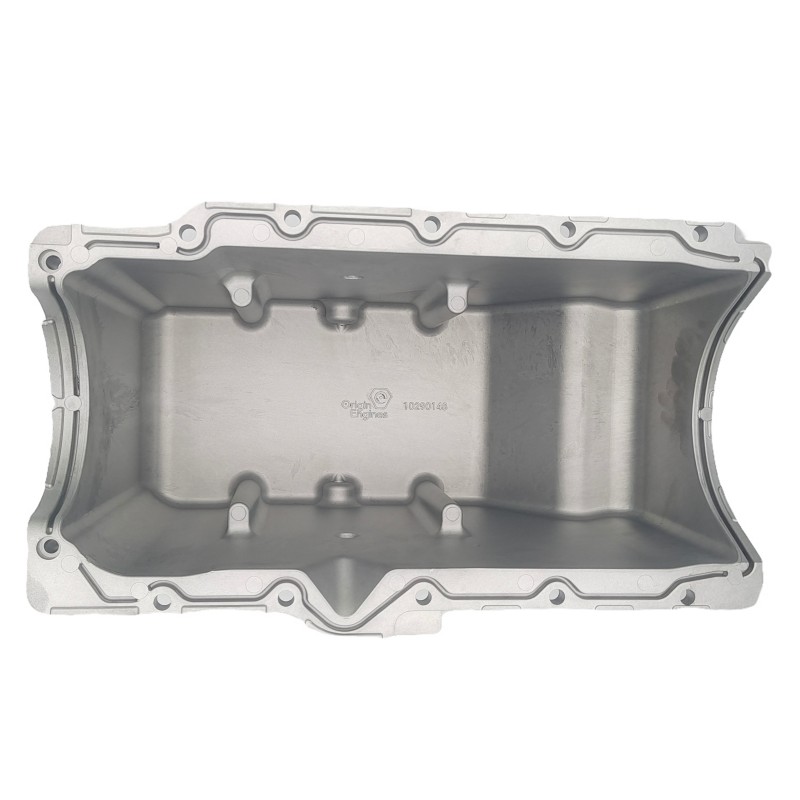
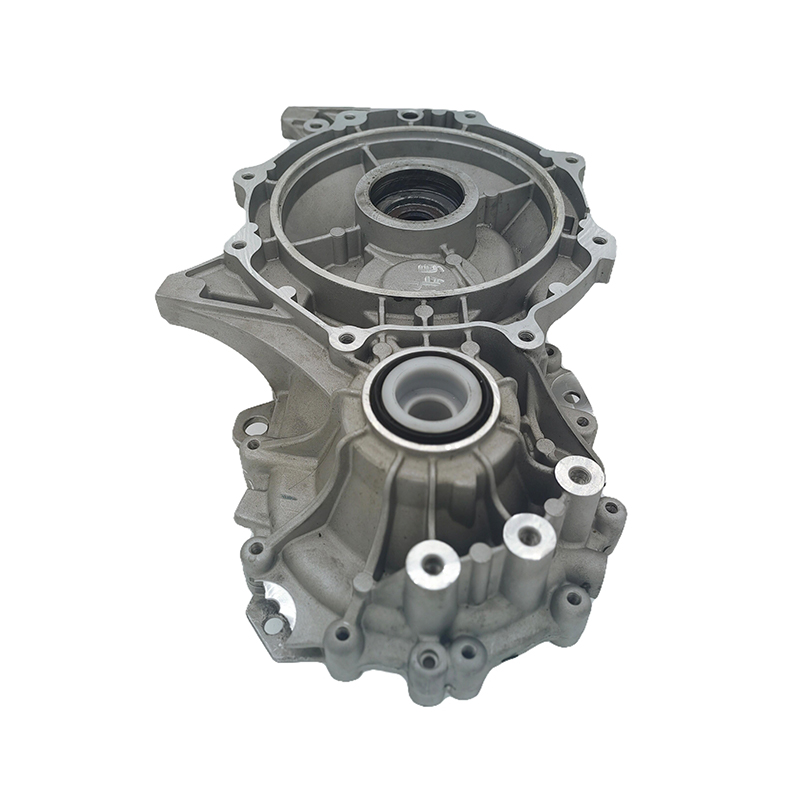
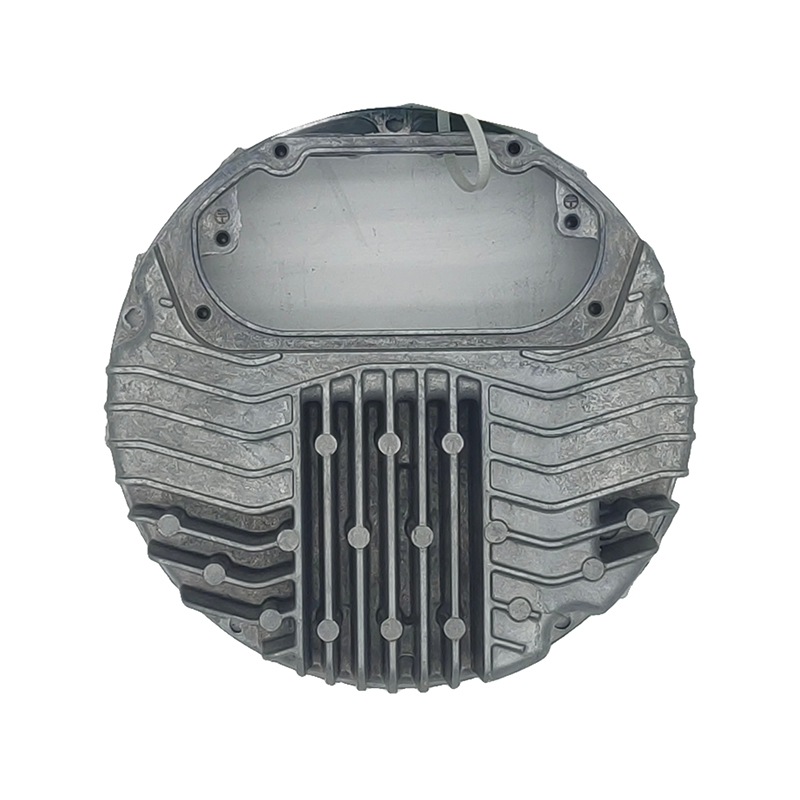
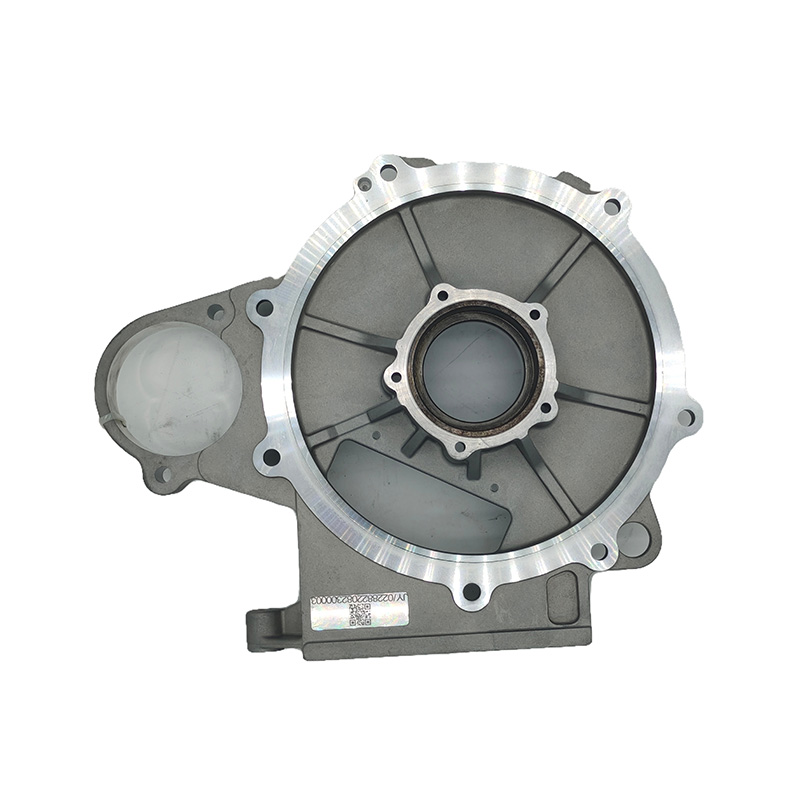
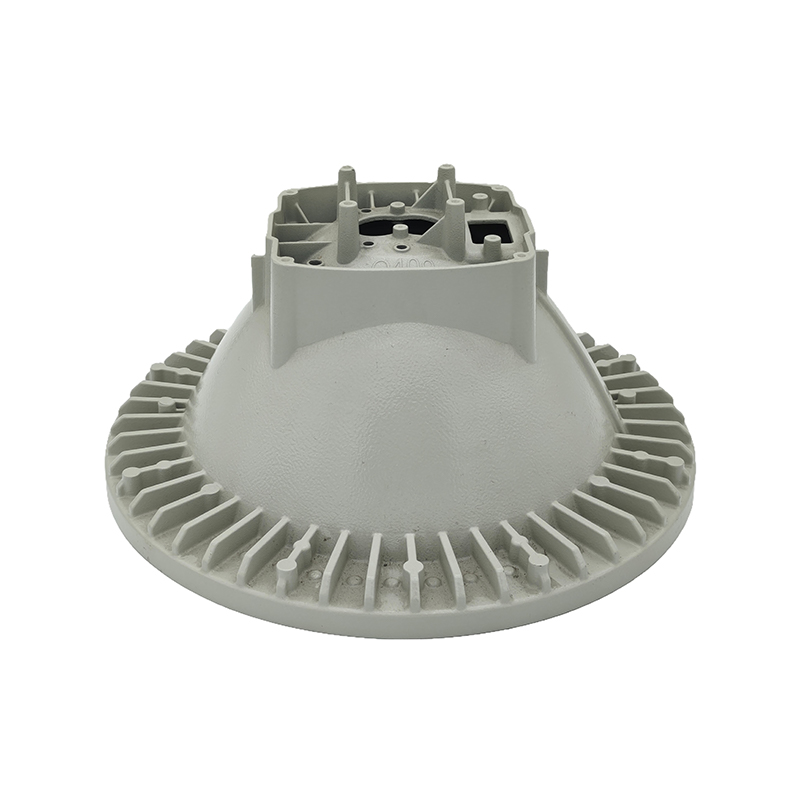
Electric Control System Die Castings are precision metal components manufactured through high-pressure die casting and specifically engineered for use in electrical control and automation systems. These parts typically serve as enclosures, housings, structural frames, and protective shells for sensitive electronic assemblies such as controllers, relays, circuit boards, and power distribution units. The die casting process involves injecting molten metal—commonly aluminum, zinc, or magnesium—into a hardened steel mold under high pressure, allowing for the rapid production of complex and highly accurate components.
In modern industrial systems, electric control systems act as the “brain” of machinery, managing operations such as motion control, temperature regulation, signal processing, and system monitoring. The die-cast components used in these systems must therefore meet strict requirements not only in terms of mechanical strength but also electrical safety, thermal stability, and electromagnetic compatibility. These castings are not passive parts; they actively contribute to system performance by protecting internal components from environmental factors like dust, moisture, and vibration, while also aiding in heat dissipation and shielding.
Key Structural Features
Electric control system die castings are characterized by their intricate geometries, thin-wall capabilities, and high dimensional precision. These features allow designers to integrate multiple functions into a single component, such as mounting bosses, cable entry points, sealing grooves, and cooling fins. This integration reduces the need for additional parts and simplifies assembly processes, ultimately improving production efficiency.
Another important structural aspect is the ability to incorporate reinforcement features such as ribs and gussets, which enhance strength without significantly increasing weight. Surface finishes can also be optimized for corrosion resistance or aesthetic purposes through treatments like powder coating or anodizing. Compared to traditional fabrication methods, die casting offers superior repeatability, ensuring consistent quality across large production volumes.
Materials Used in Electric Control System Die Castings
Common Alloys and Their Properties
Material selection plays a crucial role in determining the performance of electric control system die castings. Aluminum alloys are the most widely used due to their excellent combination of lightweight properties, corrosion resistance, and thermal conductivity. These characteristics make aluminum ideal for enclosures that require efficient heat dissipation and long-term durability.
Zinc alloys are another popular choice, particularly for smaller components that require high precision and fine surface details. Zinc offers excellent fluidity during casting, allowing for intricate designs and tight tolerances. However, it is generally heavier than aluminum and less suitable for applications where weight reduction is critical.
Magnesium alloys are increasingly being used in applications where lightweight design is a priority. They offer high strength-to-weight ratios but require more controlled processing conditions due to their reactivity. Each material has its own advantages and limitations, and the choice depends on the specific requirements of the application.
Material Selection Considerations
When selecting materials, engineers must consider factors such as mechanical strength, thermal performance, corrosion resistance, electrical conductivity, and cost. For example, in high-temperature environments, aluminum is often preferred because of its ability to dissipate heat effectively. In contrast, zinc may be chosen for applications requiring high precision and detailed features.
The decision also involves balancing performance with manufacturing efficiency. While some materials may offer superior properties, they may also increase production complexity or cost. Therefore, material selection is a critical step in optimizing both product performance and overall project economics.
How Die Casting Supports Electric Control Systems
Precision and Integration
Die casting technology enables the production of components with exceptional precision, which is essential for the proper functioning of electric control systems. Accurate dimensions ensure that components fit together seamlessly, reducing assembly errors and improving overall system reliability. Additionally, the ability to integrate multiple features into a single casting simplifies design and reduces the number of individual parts required.
This integration capability is particularly valuable in compact control systems where space is limited. By combining structural and functional elements into one component, manufacturers can achieve more efficient designs and reduce assembly time.
Thermal Management
Heat generation is a major concern in electric control systems, as excessive temperatures can lead to component failure and reduced lifespan. Die-cast components, especially those made from aluminum, often incorporate built-in heat dissipation features such as fins and heat sinks. These features increase surface area and improve airflow, allowing heat to be dissipated more effectively.
This integrated approach to thermal management eliminates the need for additional cooling components, reducing system complexity and cost. It also enhances reliability by maintaining stable operating temperatures.
Electromagnetic Shielding
Electromagnetic interference (EMI) can disrupt the performance of sensitive electronic components. Metal die-cast enclosures provide effective shielding against external electromagnetic noise, ensuring stable operation. This is particularly important in industrial environments where multiple electronic devices operate simultaneously.
Importance in Modern Industry
Enabling Automation and Smart Manufacturing
Electric control system die castings are fundamental to the advancement of automation and smart manufacturing. As industries adopt technologies such as robotics, artificial intelligence, and the Internet of Things (IoT), the demand for reliable and high-performance control systems continues to grow. Die-cast components provide the structural foundation for these systems, ensuring durability and precision.
Reliability and Durability
Industrial environments can be harsh, with exposure to temperature fluctuations, mechanical stress, and corrosive elements. Die-cast components are designed to withstand these conditions, offering long service life and minimal maintenance. This reliability is essential for reducing downtime and maintaining productivity.
Cost Efficiency in Mass Production
Die casting is highly efficient for large-scale production. Once the mold is created, manufacturers can produce thousands of identical components with minimal variation. This reduces unit costs and makes it economically viable to implement advanced control systems across various industries.
Comparison with Other Manufacturing Methods
Performance and Efficiency
| Feature | Die Casting | Machining | Fabrication |
|---|---|---|---|
| Dimensional Accuracy | High | Very High | Moderate |
| Production Speed | High | Low | Moderate |
| Cost (High Volume) | Low | High | Moderate |
| Design Complexity | Excellent | Limited | Limited |
| Surface Finish | Smooth | Variable | Rougher |
Practical Advantages
Compared to machining, die casting reduces material waste and production time, especially for complex parts. While machining offers high precision, it is less efficient for large-scale production. Fabrication methods, such as welding, are suitable for simpler structures but lack the design flexibility of die casting.
Future Trends and Developments
Lightweight and High-Performance Materials
The industry is increasingly focusing on lightweight materials to improve energy efficiency and performance. Advanced aluminum and magnesium alloys are being developed to meet these demands, offering improved strength and thermal properties.
Integration with Advanced Technologies
As control systems become more sophisticated, die-cast components are being designed to accommodate sensors, connectors, and smart features. This integration supports the development of intelligent systems capable of real-time monitoring and control.
Sustainability and Environmental Impact
Sustainability is becoming a key consideration in manufacturing. Die casting supports this trend through efficient material use and recyclability. Efforts are also being made to reduce energy consumption and emissions during production.
FAQ
What are electric control system die castings used for?
They are used to create enclosures, housings, and structural components for electrical control systems.
Why is die casting preferred for these components?
Because it offers high precision, excellent surface finish, and cost efficiency in mass production.
Which material is best for die casting in control systems?
Aluminum is the most commonly used due to its balance of strength, weight, and thermal conductivity.
References
- NADCA (North American Die Casting Association). Die Casting Design and Specification Guide.
- ASM International. Metals Handbook: Casting.
- Campbell, J. Complete Casting Handbook.
- Kalpakjian, S., & Schmid, S. Manufacturing Engineering and Technology.


 1 Building No.1 No.226. Tiantaishan Road, Daqi street. Beilun District, Ningbo City, Zhejiang Province, China
 +86-15967858563
