
 English
 Español
 Deutsch
 русский
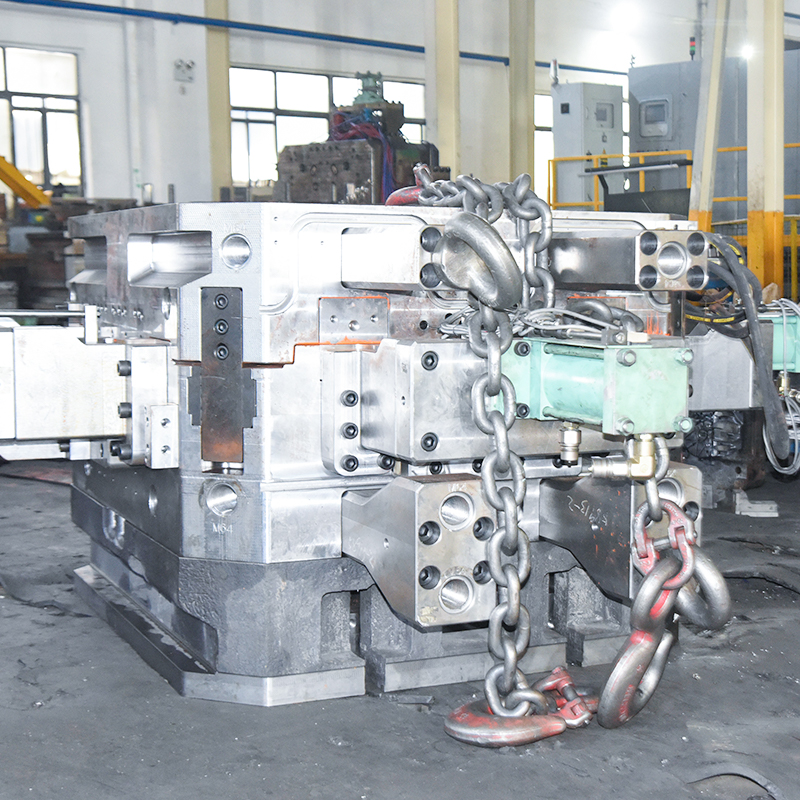
A die casting mold qualifies as "high precision" when it consistently holds dimensional tolerances of ±0.01 mm or tighter, produces parts with minimal flash or porosity, and maintains that performance across tens of thousands of cycles. This level of accuracy is not a luxury — it is a baseline requirement in industries like automotive, aerospace, and medical devices, where a deviation of even 0.05 mm can cause assembly failures or safety risks.
What Defines "High Precision" in Die Casting Molds
Precision in die casting molds is measured across several technical dimensions. It is not simply about tight tolerances — it encompasses cavity surface quality, parting line accuracy, ejection consistency, and thermal stability under repeated high-pressure cycles.
Dimensional Tolerance
Standard die casting molds typically hold tolerances of ±0.05 mm to ±0.1 mm. High precision molds push this to ±0.005 mm to ±0.02 mm, achieved through CNC machining centers with positional accuracy under 2 microns and verified by coordinate measuring machines (CMM).
Surface Finish
Cavity surfaces in high precision molds are typically finished to Ra 0.2 μm or better, compared to Ra 0.8–1.6 μm in standard molds. This directly affects part appearance, demolding ease, and the need for post-processing.
Parting Line and Insert Fit
Flash — the thin excess metal that leaks at the parting line — is a direct consequence of poor mold fit. High precision molds control parting line gaps to less than 0.02 mm, dramatically reducing flash and secondary trimming operations.
How High Precision Molds Differ from Standard Molds
The gap between standard and high precision molds is visible not only in tolerances but in every stage of design, manufacturing, and validation.
| Attribute | Standard Mold | High Precision Mold |
|---|---|---|
| Dimensional Tolerance | ±0.05–0.1 mm | ±0.005–0.02 mm |
| Surface Finish (Ra) | 0.8–1.6 μm | 0.05–0.2 μm |
| Mold Steel Grade | P20, 718 | H13, S136, 8407 |
| Mold Life (shots) | 50,000–150,000 | 300,000–1,000,000+ |
| Validation Method | Manual inspection | CMM + 3D scanning + FAI |
| Cooling System | Straight-line channels | Conformal / simulation-optimized |
The Engineering Factors That Enable High Precision
Achieving and sustaining high precision is the result of deliberate engineering decisions made before a single cut is taken on the mold blank.
Mold Steel Selection
High precision molds rely on premium tool steels such as H13 (hardness 44–48 HRC) or S136 stainless steel. These grades offer superior thermal fatigue resistance, uniform hardness distribution, and excellent polishability — all critical for long-term dimensional stability under injection pressures of 700–1,000 bar.
5-Axis CNC Machining and EDM
Complex cavity geometries are machined on 5-axis CNC centers capable of positioning accuracy within ±1–2 μm. Electrical Discharge Machining (EDM) is used for intricate features where cutting tools cannot reach, maintaining shape accuracy at the micron level.
Conformal Cooling Channels
Unlike straight-drilled channels, conformal cooling follows the contour of the cavity. This reduces temperature variation across the mold surface to less than 5°C, preventing warpage, sink marks, and cycle-to-cycle dimensional drift. Studies show conformal cooling can cut cycle time by 20–40% while improving part consistency.
Heat Treatment and Stress Relief
Mold bases and cavity inserts undergo vacuum hardening and multiple tempering cycles. Stress relief between rough and finish machining is essential — residual stress left untreated can cause deformation of 0.03–0.08 mm after first use, destroying precision.
Why Precision Matters: Real-World Impact by Industry
The consequences of inadequate mold precision are not abstract — they translate directly into scrap rates, warranty claims, assembly line stoppages, and customer returns.
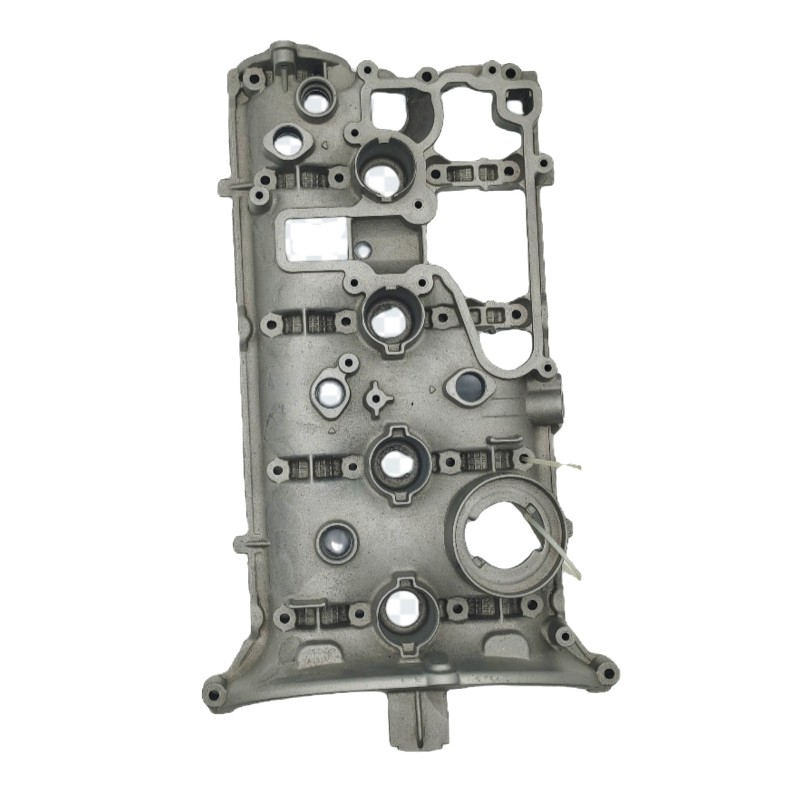
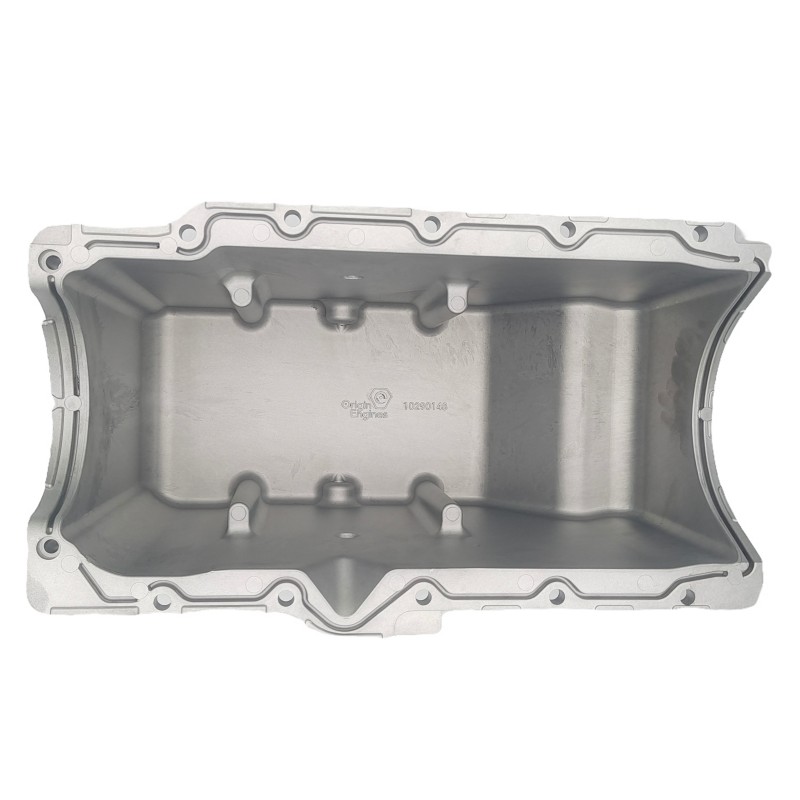
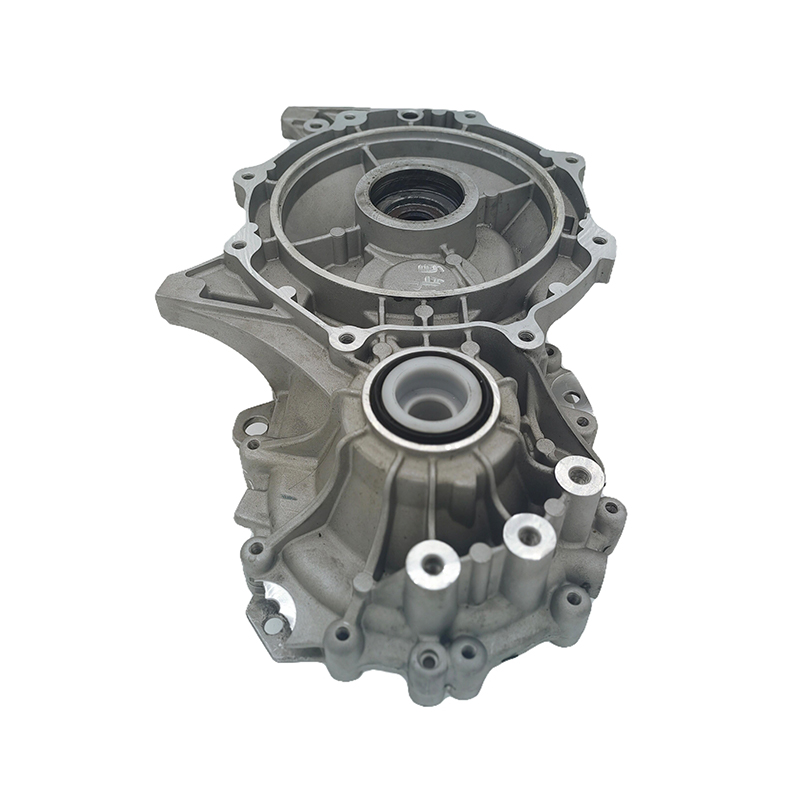
- Automotive: Transmission housings and engine brackets require tolerances of ±0.02 mm. A misaligned bore of 0.05 mm causes bearing wear and premature failure. Tier-1 suppliers commonly reject entire batches over single critical dimension failures.
- Medical Devices: Surgical tool housings and implantable device enclosures must meet ISO 13485 standards. Surface porosity above 0.1 mm² can trap bacteria, making it a regulatory disqualifier.
- Consumer Electronics: Smartphone and laptop structural frames need wall thicknesses of 0.8–1.2 mm with consistent fill. Imprecise molds cause warpage that prevents proper screen or keyboard fit.
- Aerospace: Hydraulic valve bodies and structural brackets are subject to fatigue testing under cyclic loads. Porosity or dimensional deviation directly reduces fatigue life and is a flight-safety issue.
How Precision Affects Total Cost of Ownership
High precision molds carry a higher upfront cost — typically 30–80% more than standard tooling for equivalent part geometry. However, the total cost of ownership often favors precision tooling when evaluated over the full production run.
- A standard mold producing 150,000 shots may yield a 3–6% defect rate; a high precision equivalent typically achieves under 0.5%, saving tens of thousands of parts over the mold's life.
- Reduced flash means less secondary trimming labor — in high-volume runs of 500,000+ parts, this can save $0.08–$0.20 per part in labor cost alone.
- Longer mold life (1,000,000 shots vs. 150,000 shots) amortizes tooling cost over more parts, lowering per-unit tooling cost by up to 60% at scale.
- Fewer unplanned mold repairs and downtime events protect production schedules and customer delivery commitments.
Key Indicators to Evaluate When Sourcing a High Precision Die Casting Mold
When qualifying a mold supplier or evaluating a mold's precision credentials, look beyond marketing claims and request verifiable technical documentation.
- CMM Inspection Report: Full dimensional report generated by a coordinate measuring machine, showing actual vs. nominal values for all critical features.
- Steel Mill Certificate: Confirms the grade, hardness, and heat treatment of the mold steel used.
- Mold Flow Analysis: Simulation report showing fill pattern, weld line location, air traps, and cooling uniformity before the mold is cut.
- First Article Inspection (FAI): A standardized part inspection conducted on the first production samples, documented against drawing tolerances.
- Trial Shot Data: Shot-to-shot weight and dimensional variation across a sample of 20–50 parts from T1 trials, demonstrating process repeatability.
A high precision die casting mold is defined by its ability to hold tight tolerances repeatedly — not just on the first shot, but across hundreds of thousands of production cycles. The engineering behind this capability includes premium steel selection, advanced CNC and EDM machining, conformal cooling, and rigorous metrology. The business case is equally clear: higher upfront investment in precision tooling reduces scrap, labor, downtime, and warranty risk — making it the economically rational choice for any application where part quality is non-negotiable.


 1 Building No.1 No.226. Tiantaishan Road, Daqi street. Beilun District, Ningbo City, Zhejiang Province, China
 +86-15967858563
