
 English
 Español
 Deutsch
 русский
Run a fingertip across a rejected aluminum casting and you will sometimes feel a thin seam: a line that looks like a scratch but behaves like a crack. In a high pressure die casting shop, that seam is usually a cold shut. It forms where two streams of liquid metal meet inside the cavity, and by the time their fronts touch, one or both have cooled enough that the surfaces no longer weld together. What stays behind is a visible line, a weak plane just under the skin, and a part that can pass a quick visual check yet fail a leak test or a fatigue load later on.
The encouraging part is that cold shuts are rarely random. They tend to appear in the same place on the same part, shot after shot, and a repeatable defect usually has a repeatable cause. Below is how we identify a cold shut on the shop floor, how to separate it from defects that look similar, and how filling pattern, die thermal balance and mould design decide whether the metal actually fuses.
First, Confirm It Is Really a Cold Shut
Before touching machine parameters, make sure the line in front of you is a cold shut and not something else. These four defects are confused constantly, and each one leads to a different corrective path. A penetrant check, a section cut through the line, or breaking the part along the seam will usually settle the question in a few minutes.
| Defect | What it looks like | Where it usually appears | What it tells you |
|---|---|---|---|
| Cold shut | Rounded or ragged seam where two flow fronts met, sometimes dark or slightly stepped | Where flow fronts converge, far from the gate, behind a boss, or in the last-fill region | Metal fronts lost heat before they merged |
| Flow mark | Shallow ripple or band, smooth to the touch, no step or seam | Near the gate or along the surface of a fast fill | Surface appearance issue, not a structural seam |
| Misrun | Missing metal: short rib, unfilled corner, rounded incomplete edge | Thin sections and the very end of fill | Filling stopped before the cavity was complete |
| Crack | Sharp line with bright edges that opens under load | Corners, ejection pin areas, abrupt thickness transitions | Mechanical or thermal stress, not a fusion problem |
One extra check is worth the time. If the part has to seal or carry load, cut through the line instead of trusting the surface. A cold shut that reaches the surface almost always continues some depth into the wall, while a flow mark fades out within a few tenths of a millimetre.
Why the Metal Fronts Fail to Fuse
Pouring temperature is not die temperature
Raising the metal temperature is the first instinct and often the wrong first move. A front can arrive cold for reasons that have nothing to do with the furnace: a locally chilled die surface, a long thin flow path, a slow section in the shot profile, or a spray pattern that over-cools one area of the cavity. Measure die surface temperature at several points on the actual part rather than relying on one average value taken from the platen.
Filling pattern decides where the fronts meet
Two fronts meeting is not a defect by itself; they meet on every shot and normally fuse invisibly. They fail when they arrive with too little heat and too little kinetic energy to knit together. Gate position, runner size and the number of gates decide both where the fronts meet and how warm they still are at that moment. Overflows, vents and vacuum belong to the same system, because they steer the last and coolest metal into a controlled location instead of letting it close a seam across a sealing surface.
Let the Defect Location Narrow the Search
The position of the line tells you a great deal before you change a single setting.
- Far from the gate: the front travelled too far and arrived too cold. Review flow length, wall thickness and the middle of the shot profile.
- Directly behind a hole, boss or insert: the metal had to split and rejoin, so both branches need enough heat and speed to knit on the far side.
- In a thin section or across a sudden thickness change: heat leaves the metal quickly there. Local die cooling and shot timing are the first items to review.
- Near an overflow, vent or the expected last-fill area: the filling system may be sending the coldest metal to the wrong place, or the overflow volume may be too small to accept it before it freezes.
A Practical Troubleshooting Routine
- Confirm the defect type with a penetrant check or a section through the line.
- Record exactly where it sits on the part and mark it on a drawing or photo.
- Verify metal temperature and die surface temperature at that location, not at the furnace or the platen.
- Review gates, runners, overflows, vents and vacuum before adjusting the shot profile.
- Change one variable at a time, and document the setting that fixed it so it survives the next mould change.
- Re-check internal quality once the visible line disappears; a clean surface is not proof that the seam has closed.
Designing Cold Shut Risk Out of the Mould
Most cold shuts are cheaper to prevent in the mould than to chase on the machine. When the mould is built in our own mould shop, the gating, runner geometry, overflow placement and cooling layout can be reviewed against the expected filling pattern while the design is still on the screen. Simulation is then used to test a specific hypothesis about where the fronts will meet, rather than to produce a colourful animation.
Working the other way round, from a defect on an existing part, is often a matter of enlarging an overflow, adding a local cooling line or opening a runner slightly. That kind of mould adjustment, followed by a fresh trial shot, is routine work for us across automotive, communication and industrial housings.
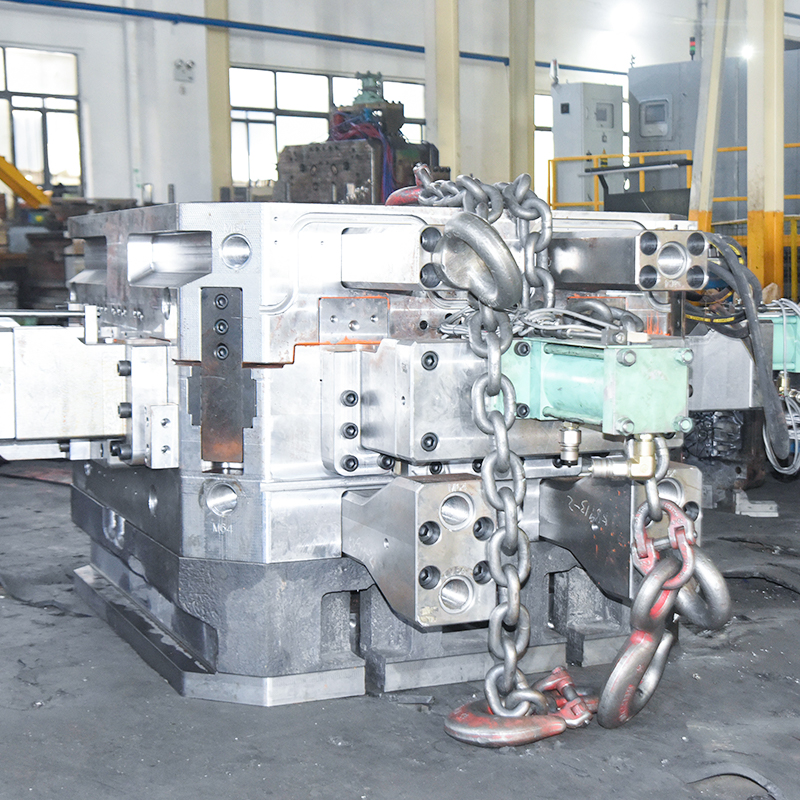 Aluminum Alloy High Pressure Die Casting Mold ManufacturingCustom H13/DIEVAR die casting molds for thin-walled, airtight housings; CAD/CAM design, CNC, EDM, and trial production support filling and stability.View Product →
Thin Walls and Long Flow Paths: Where Cold Shuts Hide
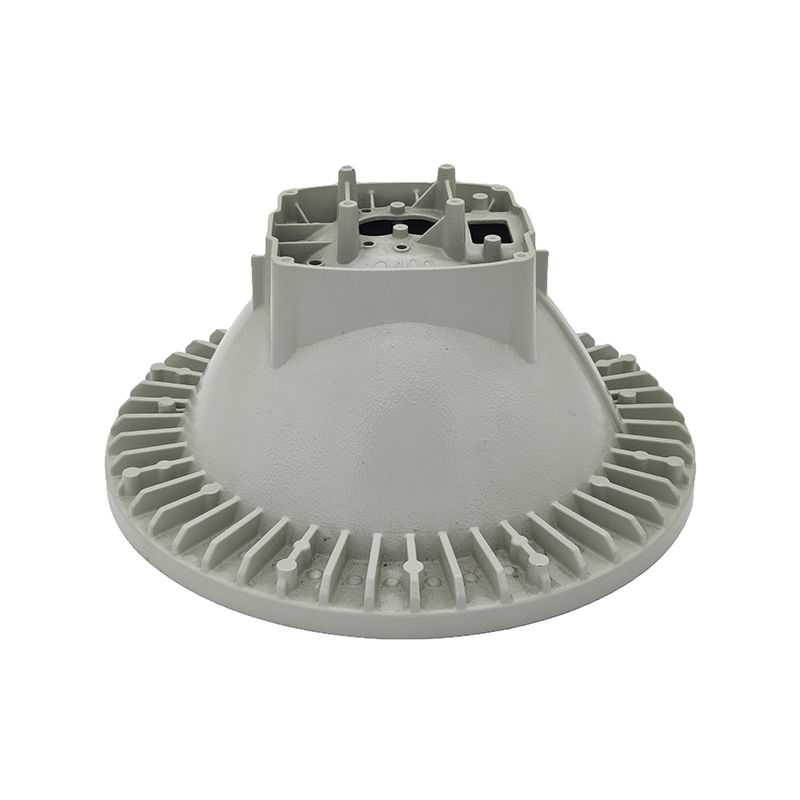
Some geometries simply have less tolerance for error. Radio unit housings, base station housings and electronic control housings are typically thin-walled with long flow paths, and many of them have to be airtight. The metal must stay fluid enough to fill ribs and corners, and the last fronts must still carry enough heat to knit on a sealing surface. In these parts a cold shut rarely stays cosmetic, because it becomes a leak that shows up in the test tank or in the field.
For that kind of geometry, the practical sequence is to design for shorter flow lengths, generous overflow volume and a thermal layout that keeps the far end of the cavity warm. It also helps to agree on a realistic surface standard during quotation, so that a harmless flow mark is not rejected as a cold shut before production even starts.
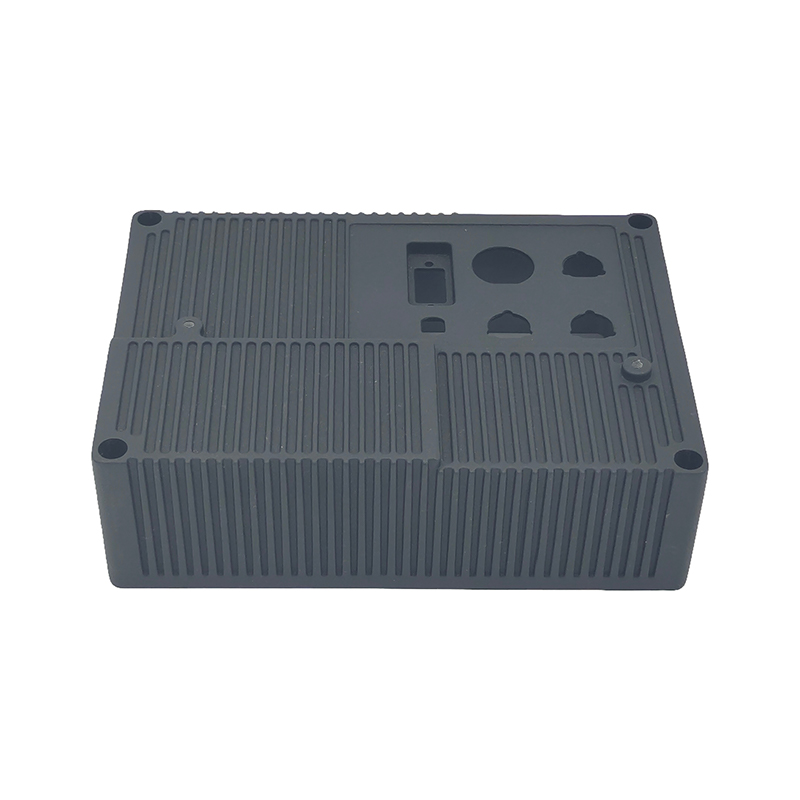 Radar housing die castings SuppliersNingbo Jinyao Machinery Co., Ltd. is a China Radar housing die castings Suppliers and Radar housing die castings Foundry . And is an enterprise integrating industry an...View Product →
Keeping the Process Stable in Daily Production
Prevention is a daily routine rather than a one-time fix. Spray nozzles clog and patterns drift, cavity count changes during the shift, and die temperature moves with every interruption or break. Holding the process inside the same window shot after shot is what keeps the flow fronts warm enough to fuse.
It also helps to remember that a cold shut is not only a casting stage issue. Trimming, deburring and other post-processing techniques are where a seam that survived the casting stage often becomes visible, so inspection plans should connect the two stages instead of treating them as separate departments.
If you are working through a cold shut problem on a part you already produce, or you are about to launch a new housing and would rather design the risk out from the beginning, our engineers are glad to look at the drawing and the filling pattern with you. The question we keep returning to is not how to raise the temperature, but why the metal failed to fuse at that location. Answer that one honestly and the fix usually becomes obvious.
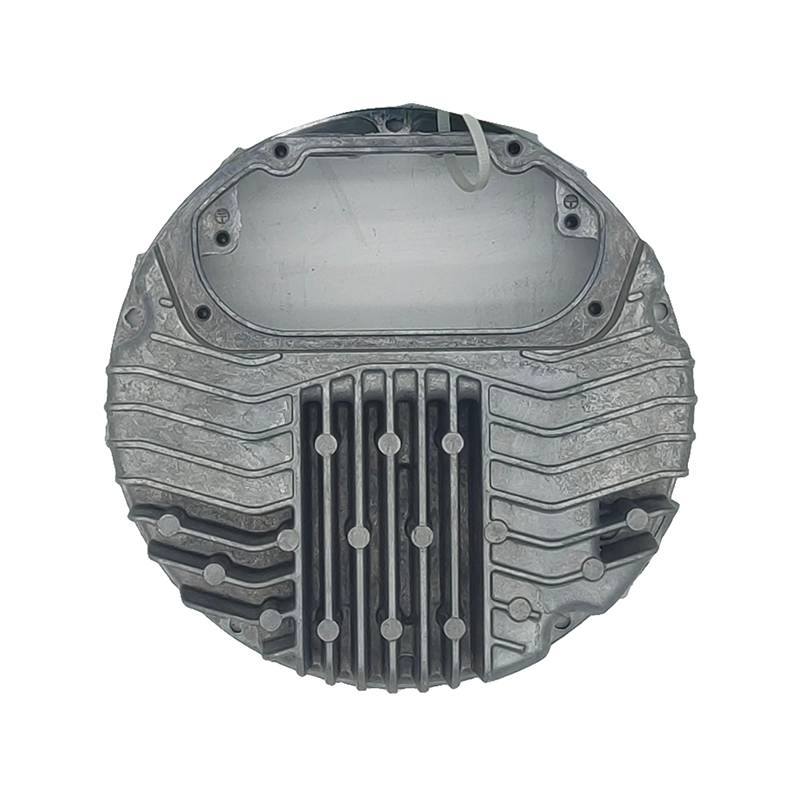 EV Electronic Control System Die-Cast Aluminum HousingsAluminum ADC12 die castings for EV electronic control systems, with vacuum casting, thermal management, sealing integration, and CNC tolerances for leak-sensitive housings.View Product →




 1 Building No.1 No.226. Tiantaishan Road, Daqi street. Beilun District, Ningbo City, Zhejiang Province, China
 +86-15967858563

