
 English
 Español
 Deutsch
 русский
In the competitive market of outdoor cooking appliances, the durability and aesthetic appeal of hardware can make or break a brand’s reputation. When it comes to Grill Accessories Die Casting, manufacturers are primarily faced with a choice between two versatile metals: Aluminum and Zinc.
Both alloys offer distinct advantages in terms of weight, strength, and finish. However, choosing the wrong one for a specific grill component—be it a burner valve, a heavy-duty hinge, or a decorative knob—can lead to premature failure or inflated production costs.
1. Aluminum Die Casting: The Lightweight Powerhouse
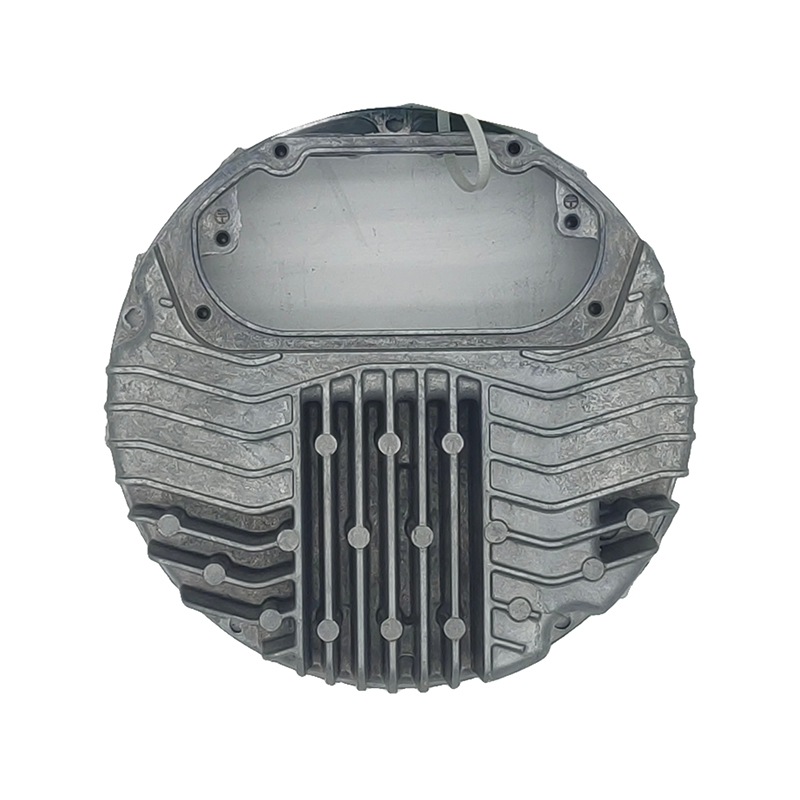
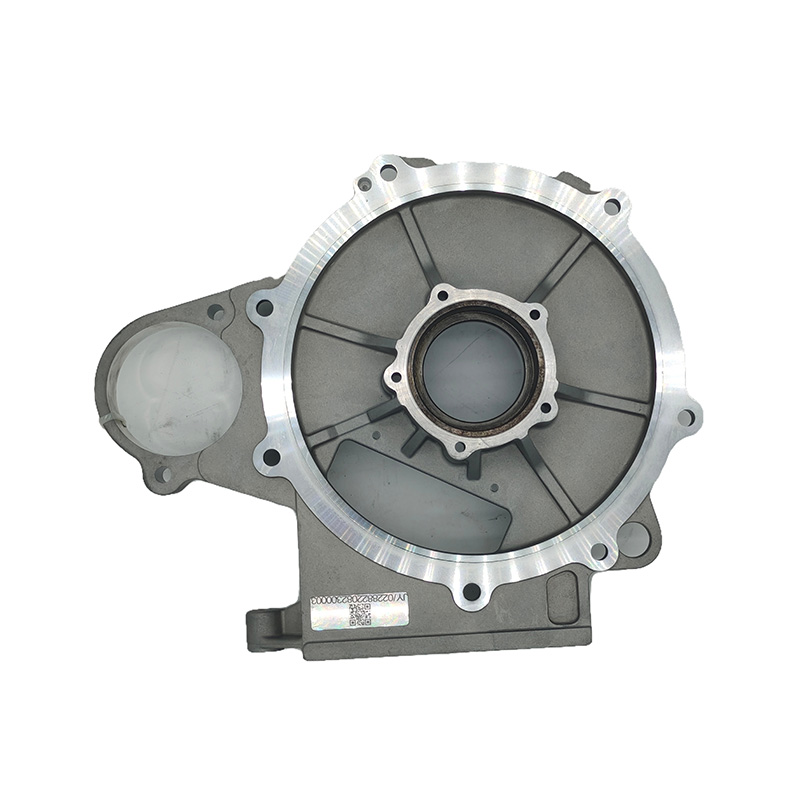
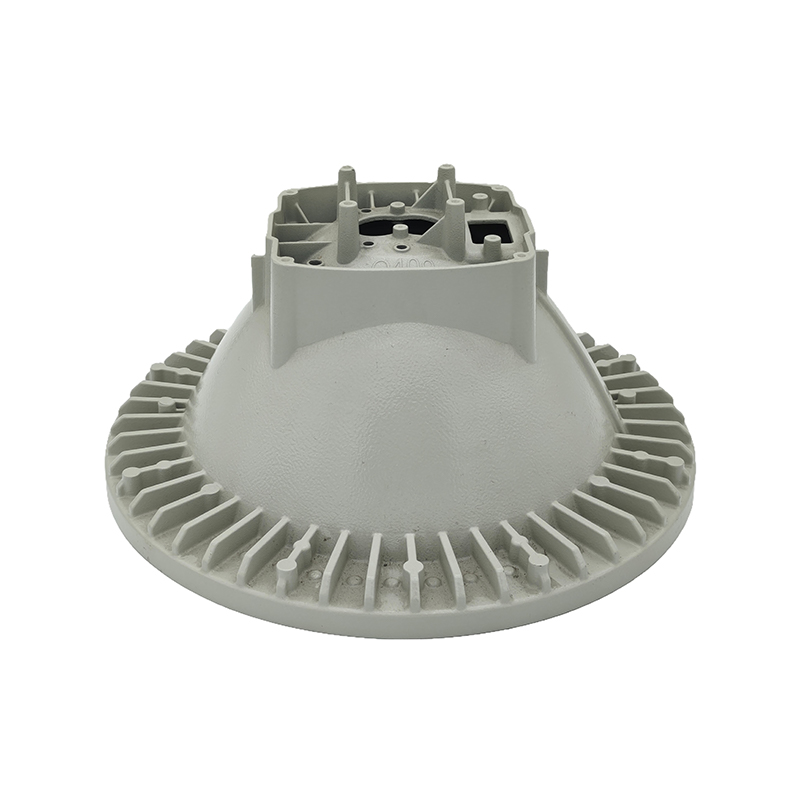
Aluminum is the most widely used material in Grill Accessories Die Casting, specifically alloys like ADC12 or A380. It is favored for structural components that must endure the harsh environment of a hot grill.
1.1 Thermal Stability and Heat Management
Grills operate at extreme temperatures. Aluminum alloys possess excellent thermal conductivity and, more importantly, a high melting point compared to zinc. This makes aluminum the superior choice for components located near the firebox, such as burner supports, side burners, and lid brackets.
1.2 Corrosion Resistance in the Great Outdoors
Grill accessories are frequently exposed to rain, humidity, and salty coastal air. Aluminum naturally forms a protective oxide layer, making it highly resistant to rust. For premium grill brands, aluminum provides the longevity customers expect from an outdoor investment.
1.3 Weight Efficiency
Aluminum is approximately one-third the weight of zinc or steel. For large grill accessories, such as side shelves or heavy lid handles, using aluminum reduces the overall shipping weight and makes the grill easier for the end-user to operate without sacrificing structural integrity.
2. Zinc Die Casting: Precision and Aesthetic Excellence
While aluminum wins on heat resistance, Zinc Die Casting (using alloys like Zamak 3 or Zamak 5) is the champion of precision and surface finish.
2.1 Superior Thin-Wall Capability
Zinc is much more fluid in its molten state than aluminum. This allows it to be cast with incredibly thin walls and intricate details that aluminum simply cannot achieve. If your grill accessory features complex branding, fine textures, or small, interlocking parts, zinc is the technical winner.
2.2 Aesthetic Versatility and Plating
If your grill brand focuses on a “luxury” look with chrome-plated knobs, gold-tinted bezels, or polished mirror finishes, zinc is your best bet. Zinc is much easier to plate and powder-coat than aluminum. The resulting finish is smoother, more consistent, and highly resistant to the wear and tear of daily hand contact.
2.3 Longer Tooling Life
Zinc has a lower melting temperature, which means the steel molds (dies) used in production last significantly longer—often up to 10 times longer than molds used for aluminum. For high-volume production of small parts like control knobs, this can drastically reduce the long-term cost per unit.
3. Head-to-Head Comparison: Aluminum vs. Zinc
| Feature | Aluminum Die Casting | Zinc Die Casting |
|---|---|---|
| Melting Point | High (~600°C) | Low (~390°C) |
| Weight | Lightweight | Heavy (Feels substantial) |
| Corrosion Resistance | Excellent | Good (Requires coating) |
| Complexity of Detail | Moderate | Excellent / High Precision |
| Surface Finishing | Best for Powder Coating | Best for Chrome Plating |
| Tooling Lifespan | ~100,000 shots | ~1,000,000 shots |
| Best For | Burners, Brackets, Handles | Knobs, Bezels, Logos, Valves |
4. Total Cost of Ownership (TCO) Considerations
When sourcing Grill Accessories Die Casting, the “cheapest” material isn’t always the most cost-effective.
- Material Cost: Aluminum is generally cheaper by volume than zinc.
- Processing Cost: Zinc allows for “Hot Chamber” die casting, which is faster than the “Cold Chamber” process used for aluminum, potentially lowering labor costs.
- Secondary Operations: Zinc parts often come out of the mold so clean that they require zero CNC machining, whereas aluminum parts may need more trimming and deburring.
5. Making the Final Selection
The “best” alloy depends entirely on where the accessory sits on the grill:
- Choose Aluminum for structural parts, large components, and anything that comes into direct contact with high heat or needs to be rust-proof without expensive plating.
- Choose Zinc for high-precision components, decorative hardware that requires a “premium feel” (weight), and small parts where intricate detail and a flawless chrome finish are the priority.
FAQ: Frequently Asked Questions
Q1: Will zinc grill knobs melt?
A: Zinc has a melting point of about 390°C (734°F). While it won’t melt from ambient grill heat, it should not be used for components inside the firebox or in direct contact with the burner flame.
Q2: Can I get an aluminum part to look as shiny as chrome?
A: You can polish aluminum or use specialized chrome-look powder coatings, but it will rarely achieve the deep, mirror-like luster that is possible with electroplated zinc.
Q3: Which alloy is more eco-friendly for grill manufacturing?
A: Both are highly recyclable. Aluminum recycling is exceptionally efficient, requiring only 5% of the energy used to create primary metal, making it a favorite for brands with “Green” initiatives.
References
- North American Die Casting Association (NADCA) - Product Specification Standards.
- ASM International - Handbook of Aluminum and Zinc Alloys.
- Corrosion Resistance of Zinc and Zinc Alloys, T.J. Langlais.
- Thermal Conductivity Metrics for Die-Cast Components in Outdoor Appliances.


 1 Building No.1 No.226. Tiantaishan Road, Daqi street. Beilun District, Ningbo City, Zhejiang Province, China
 +86-15967858563
