
 English
 Español
 Deutsch
 русский
The photovoltaic (PV) inverter industry is evolving rapidly, driven by technological advancements and the increasing demand for renewable energy solutions. Die casting, a key manufacturing process for PV inverter components, is undergoing several innovations that enhance performance, reduce costs, and improve sustainability. These developments aim to make solar energy systems more efficient, reliable, and cost-effective, playing a crucial role in the ongoing growth of solar power.
1. Advanced Materials for Enhanced Efficiency
Materials used in die casting for photovoltaic inverters are crucial to ensuring both the durability and performance of the final product. Innovations in material science are enabling the production of lighter, stronger, and more thermally efficient components.
-
High-Performance Alloys: Materials like aluminum-silicon (Al-Si) alloys and magnesium-based alloys are being increasingly used in die casting for PV inverter components. These alloys offer improved thermal conductivity, allowing for better heat dissipation, a vital feature in the operation of photovoltaic inverters. Magnesium alloys, for example, provide an excellent balance of lightness and strength, making them ideal for compact designs.
-
Thermal Efficiency: Materials with higher thermal conductivity, such as copper-based alloys, are also being tested for use in certain parts of inverters. These materials help to manage the high heat generation during inverter operation, which can otherwise affect performance and lifespan. Proper heat management reduces the risk of overheating, improving the efficiency and longevity of the inverters.
| Material Type | Properties | Benefits for PV Inverters |
|---|---|---|
| Aluminum-Silicon (Al-Si) | High thermal conductivity, lightweight | Improved heat dissipation, lightweight for easier installation |
| Magnesium Alloys | Strong, lightweight | Compact design, reduced weight, enhanced durability |
| Copper-Based Alloys | High thermal and electrical conductivity | Better heat management, increased efficiency |
2. Precision Die Casting and Complex Geometries
The advent of precision die casting techniques has opened the door to more intricate and detailed component designs. These advancements are particularly important in the design of photovoltaic inverters, where efficiency and reliability are paramount.
-
Improved Casting Techniques: Precision die casting allows manufacturers to create more complex and accurate parts, reducing the need for additional post-processing. This leads to better-fitting components and less material waste, resulting in cost savings and higher product quality.
-
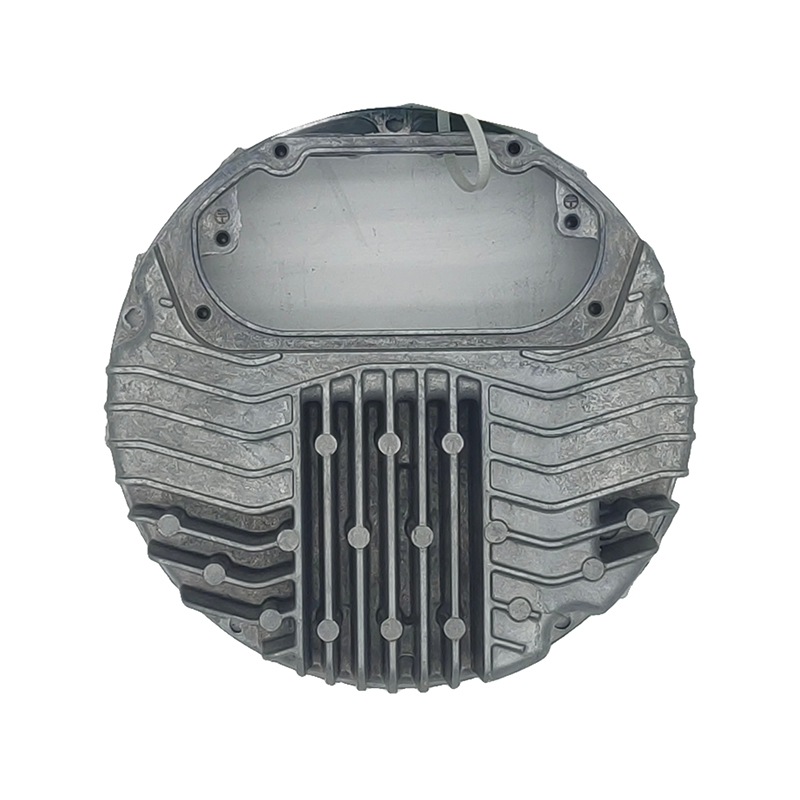
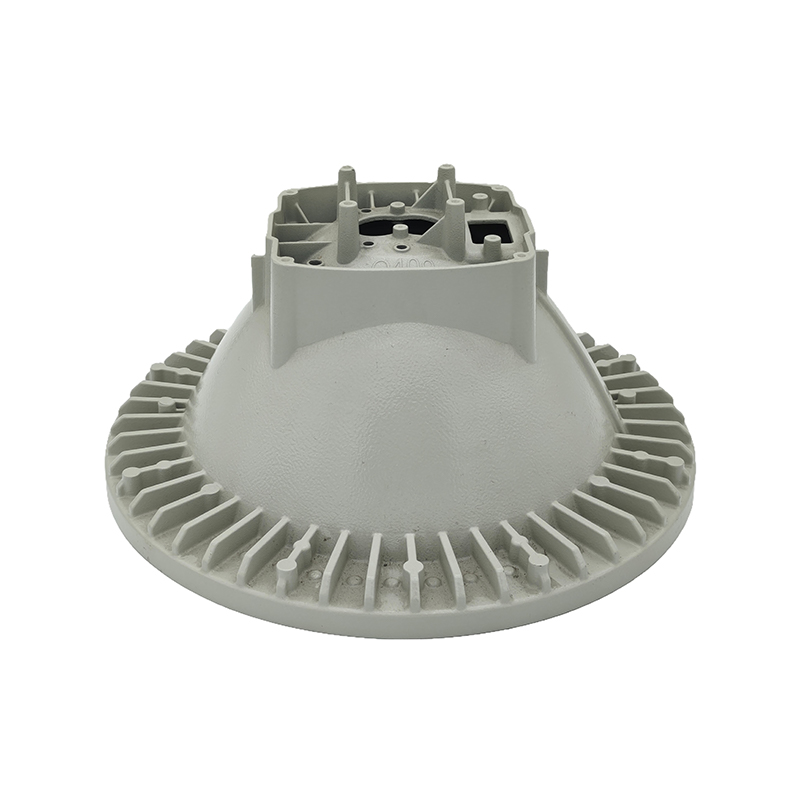
Complex Geometries for Cooling: Photovoltaic inverters generate significant heat during operation, and effective cooling systems are essential to prevent overheating and ensure optimal performance. Die casting enables the design of more complex cooling channels and heat sinks integrated into the components. This integration improves the overall thermal management of the system, ensuring that the inverter operates efficiently even under demanding conditions.
3. Enhanced Automation and AI Integration
As the demand for solar energy systems continues to rise, manufacturers are increasingly adopting automation and artificial intelligence (AI) to improve the efficiency and accuracy of the die casting process.
-
Robotics and AI: The integration of robots in die casting allows for greater precision and repeatability. AI algorithms can analyze production data in real time, adjusting the process to minimize defects and optimize material use. This results in consistent quality and a more streamlined manufacturing process.
-
Predictive Maintenance: AI is also being used to predict maintenance needs for die casting equipment. By analyzing data from sensors embedded in machinery, AI can forecast when a piece of equipment will need servicing, preventing unexpected breakdowns and reducing downtime. This ensures that production runs smoothly and efficiently, contributing to a more reliable supply of PV inverter components.
4. Sustainability and Recycling
Sustainability is a major consideration in the production of photovoltaic systems, including the die casting of inverter components. Innovations in material recycling and energy-efficient production processes are helping to reduce the environmental impact of solar energy systems.
-
Recycling of Materials: The use of recycled materials, particularly aluminum, is becoming more common in die casting. Recycled aluminum requires only a fraction of the energy to process compared to virgin aluminum, helping to lower the overall carbon footprint of PV inverter production. Additionally, recycled materials maintain a high level of performance, ensuring that components remain durable and reliable.
-
Energy-Efficient Processes: New die casting technologies, such as vacuum die casting, are reducing energy consumption during the manufacturing process. This not only lowers production costs but also aligns with the broader sustainability goals of the renewable energy sector. As the solar industry strives to reduce its carbon footprint, these energy-efficient casting methods play an important role in achieving that goal.
5. Integration of Smart Features
With the growing trend of smart home and smart grid technologies, photovoltaic inverters are evolving to include integrated intelligence that can improve their functionality and efficiency. Die casting is playing a role in enabling the integration of these smart features.
-
Embedded Sensors: Inverter components made from die-cast parts can now include embedded sensors that monitor temperature, performance, and other key metrics. These sensors provide real-time data that can be used to optimize inverter operation, reducing the need for manual intervention and enhancing system efficiency. For example, the temperature data could trigger cooling mechanisms or alert operators to any potential issues before they cause system failure.
-
Connectivity: Smart PV inverters with embedded connectivity are becoming more common. Die-cast components are now being designed to incorporate communication features like Wi-Fi or Bluetooth, allowing the inverter to communicate with smart grids or mobile apps for remote monitoring and control. This connectivity makes it easier for operators to manage and optimize energy production, making the entire solar power system more responsive and efficient.
6. Improved Surface Finishes and Coatings
As the performance demands on PV inverters increase, so too does the need for durable and corrosion-resistant materials. Die-cast components for inverters are being treated with advanced surface coatings to enhance their resistance to environmental stressors.
-
Durable Coatings: Techniques like anodizing and powder coating are becoming standard in the die casting process. These coatings improve the resistance of die-cast parts to corrosion, wear, and the damaging effects of UV rays and extreme weather conditions. This ensures that PV inverters maintain their performance and aesthetic appearance even in harsh outdoor environments.
-
Surface Texture Optimization: Advances in surface texturing technology allow manufacturers to achieve specific surface finishes that can improve the functionality of die-cast components. For example, a textured surface can enhance the heat dissipation capabilities of a part, while a smooth surface might reduce friction in moving parts. The right surface finish can also improve the appearance of the final product, adding value from both a performance and aesthetic perspective.
7. Cost Reduction Through Near-Net-Shape Casting
The traditional die casting process often requires additional machining and finishing steps to achieve the final part dimensions. Near-net-shape casting is a newer technique that minimizes the need for these additional processes.
- Near-Net-Shape Technology: This method involves casting parts that are already very close to their final shape, reducing the need for post-casting machining. The reduced material waste and decreased need for finishing processes can significantly lower production costs. As a result, this technology is particularly beneficial in large-scale production of photovoltaic inverter components, where cost-efficiency is crucial to meeting market demands.
8. Hybrid Manufacturing Approaches
Hybrid manufacturing techniques, which combine traditional die casting with newer technologies like additive manufacturing (3D printing), are helping to push the boundaries of what is possible in PV inverter design.
- Combining Die Casting with 3D Printing: 3D printing enables the rapid prototyping of complex designs that can then be cast using traditional die casting methods. This hybrid approach allows for faster design iterations, more complex internal structures (such as integrated cooling channels), and greater customization of inverter components. It also opens up the possibility for producing low-volume, highly specialized components more efficiently.


 1 Building No.1 No.226. Tiantaishan Road, Daqi street. Beilun District, Ningbo City, Zhejiang Province, China
 +86-15967858563
